Author: TouristicHub.com

  • 🛕 Akshardham Temple Delhi Travel Guide: Timings, Tickets, History & Visitor Tips

    🛕 Akshardham Temple Delhi Travel Guide: Timings, Tickets, History & Visitor Tips

    Witness India’s Spiritual Grandeur, Culture & Architecture

    Swaminarayan Akshardham, popularly known as Akshardham Temple, is one of the most magnificent spiritual and cultural landmarks in New Delhi. Renowned for its breathtaking architecture, peaceful surroundings, exhibitions, and evening water show, Akshardham is much more than a temple—it is a complete cultural experience.

    Open to people of all faiths, Akshardham beautifully showcases India’s ancient values, traditions, art, and spirituality, making it one of the most visited attractions in Delhi.


    📌 Table of Contents

    1. Why Visit Akshardham Temple
    2. About Akshardham
    3. History & Spiritual Significance
    4. Architecture & Design Highlights
    5. Main Attractions Inside Akshardham
    6. Musical Fountain (Water Show)
    7. Best Time to Visit
    8. Akshardham Timings
    9. Entry Tickets & Charges
    10. How to Reach Akshardham
    11. Visitor Rules, Dress Code & Security
    12. Suggested Half-Day Visit Plan
    13. FAQs
    14. Explore More Delhi Travel Guides

    🌟 Why Visit Akshardham Temple

    • ✔ One of the largest Hindu temple complexes in the world
    • ✔ Stunning stone carvings and architecture
    • ✔ Deep spiritual and peaceful environment
    • ✔ Cultural exhibitions explaining Indian values
    • ✔ Family-friendly and educational

    Akshardham offers a perfect blend of devotion, learning, and visual beauty.


    🏛️ About Akshardham

    Akshardham was built by the BAPS Swaminarayan Sanstha and inaugurated in 2005.

    Key Facts:

    • Location: Near Yamuna River, East Delhi
    • Dedicated to: Bhagwan Swaminarayan
    • Built using: Pink sandstone and white marble
    • Construction: Without steel or concrete

    The complex spreads over 100 acres, surrounded by gardens and water bodies.


    📜 History & Spiritual Significance

    Akshardham reflects the teachings of Bhagwan Swaminarayan, focusing on:

    • Devotion to God
    • Moral values
    • Harmony and service to society

    The temple was inspired by Pramukh Swami Maharaj and stands as a symbol of India’s timeless spiritual wisdom.


    🏗️ Architecture & Design Highlights

    Akshardham’s architecture follows ancient Vedic principles.

    Notable Features:

    • 234 intricately carved pillars
    • 20,000+ statues of deities, saints, and animals
    • Domes inspired by ancient Indian temples
    • Detailed carvings of flora, fauna, and mythology

    Every carving tells a story from India’s rich heritage.


    🎭 Main Attractions Inside Akshardham

    🛕 Akshardham Mandir

    The main temple where devotees offer prayers.

    🎥 Sahaj Anand Water Show

    A multimedia show conveying spiritual messages.

    🎬 Exhibitions (Mandirs)

    • Hall of Values
    • Giant IMAX-style theatre
    • Cultural boat ride through India’s history

    🌿 Yagnapurush Kund

    India’s largest stepwell-style water structure.


    💧 Musical Fountain (Water Show)

    The evening musical fountain show is one of Akshardham’s highlights.

    • Uses lights, water, sound, and fire
    • Explains stories from Indian scriptures
    • Duration: Around 24 minutes

    Shows are held after sunset—timings vary by season.


    🗓️ Best Time to Visit Akshardham

    ✔ Best Months

    • October to March – pleasant weather

    ✔ Best Time of Day

    • Afternoon to evening (to include water show)

    ❌ Avoid

    • Mondays (temple closed)
    • Peak summer afternoons

    ⏰ Akshardham Timings

    • Open Days: Tuesday to Sunday
    • Closed: Monday

    🕘 Timings

    • Entry: 10:00 AM – 6:30 PM
    • Last entry: Around 5:30 PM

    Exhibition and water show timings vary.


    🎟️ Entry Tickets & Charges

    • Temple Entry: Free
    • Exhibitions & Shows: Paid tickets (approx. ₹170–₹250)
    • Children & Seniors: Concessions available

    Tickets are purchased at the venue.


    🚇 How to Reach Akshardham

    🚆 By Metro (Best Option)

    • Akshardham Metro Station (Blue Line)
    • 5-minute walk from the station

    🚕 By Cab / Auto

    • Easily reachable via taxis and autos

    🚗 By Car

    • Parking available near the complex

    👗 Visitor Rules, Dress Code & Security

    • Modest dress mandatory (covered shoulders & knees)
    • Mobile phones, cameras, bags not allowed inside
    • Cloakroom facility available
    • Strict security checks

    Photography is not allowed inside the complex.


    🗺️ Suggested Half-Day Visit Plan

    Arrival (12:00 PM):

    • Security & entry formalities

    Afternoon:

    • Temple darshan
    • Cultural exhibitions

    Evening:

    • Yagnapurush Kund
    • Musical fountain show

    Plan at least 4–5 hours for a relaxed visit.


    ❓ FAQs

    Is Akshardham only for Hindus?
    No, people of all religions are welcome.

    Is photography allowed?
    No photography inside the complex.

    Is Akshardham suitable for kids?
    Yes, especially exhibitions and boat ride.

    How much time is needed?
    Half day is ideal.

    Is there an entry fee?
    Temple entry is free.


    🌍 Explore More Delhi Travel Guides

    After visiting Akshardham, explore nearby attractions like India Gate, Raj Ghat, and National Museum for a complete Delhi cultural experience.

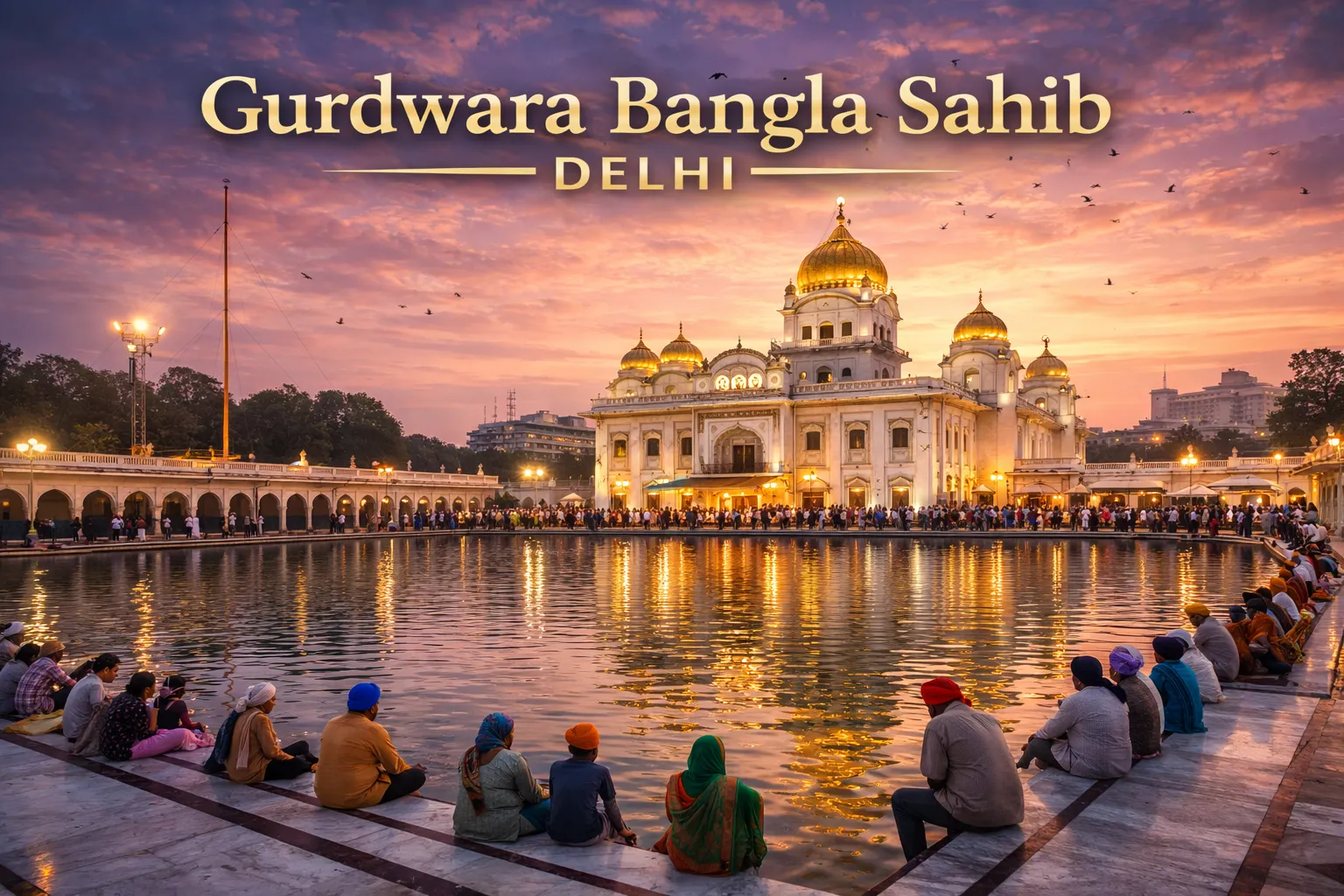
    Families may also enjoy National Zoological Park and Nehru Planetarium, while spiritual travelers can visit Dargah Hazrat Nizamuddin Aulia and Bangla Sahib.

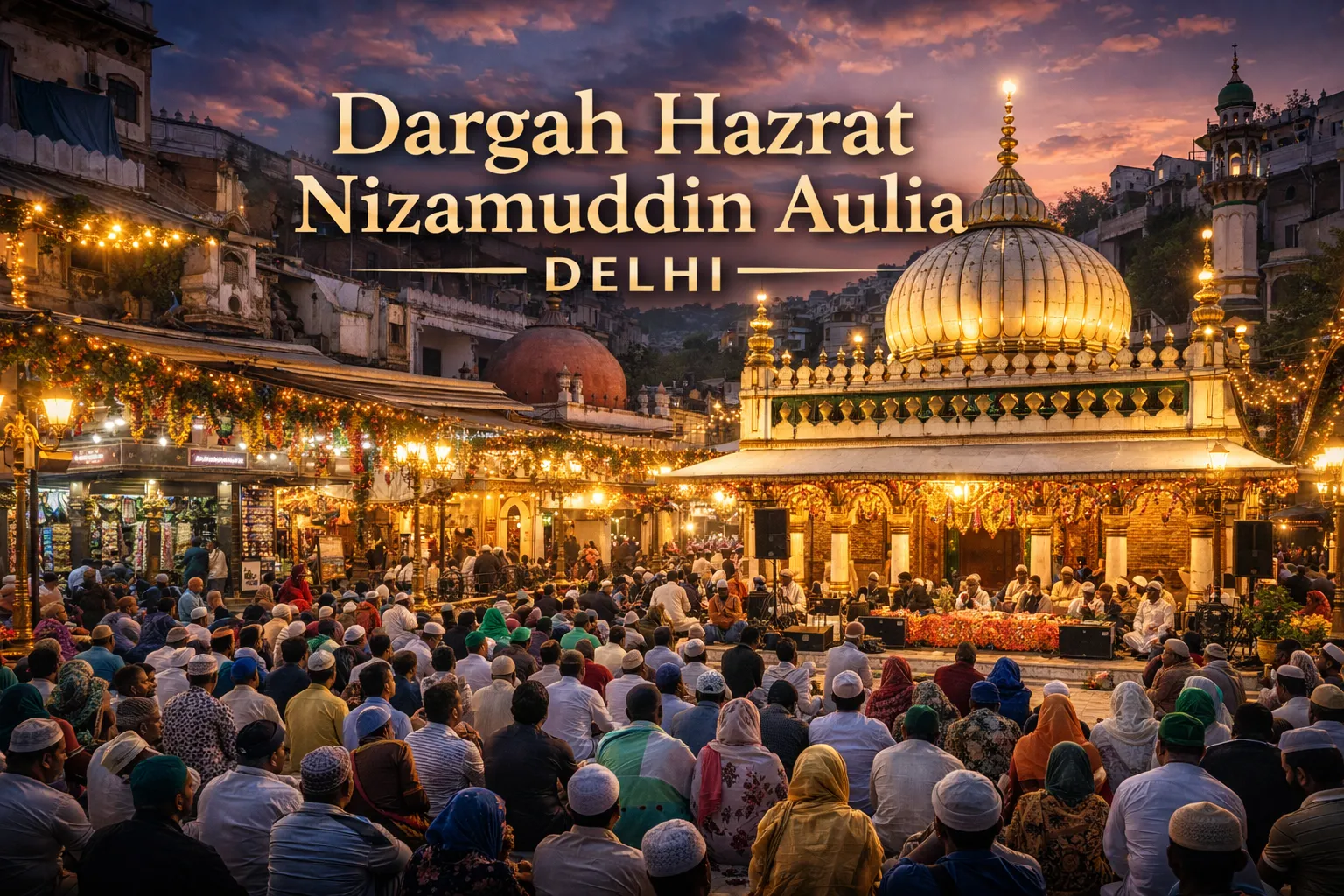
  • 🕌 Dargah Hazrat Nizamuddin Aulia Travel Guide: History, Qawwali & Visitor Tips

    🕌 Dargah Hazrat Nizamuddin Aulia Travel Guide: History, Qawwali & Visitor Tips

    A Sacred Sufi Shrine in the Heart of Delhi

    The Dargah Hazrat Nizamuddin Aulia, located in Nizamuddin West, New Delhi, is one of the most revered Sufi shrines in India. Dedicated to Hazrat Nizamuddin Aulia, a great Sufi saint of the Chishti order, the dargah attracts devotees, spiritual seekers, and travelers from all religions and backgrounds.

    Known for its soulful Qawwali, spiritual atmosphere, and message of love and humanity, this sacred place offers a deeply moving experience beyond regular sightseeing.


    📌 Table of Contents

    1. Why Visit Dargah Hazrat Nizamuddin Aulia
    2. Who Was Hazrat Nizamuddin Aulia
    3. History & Spiritual Significance
    4. Qawwali at Nizamuddin Dargah
    5. Best Time to Visit
    6. Dargah Timings
    7. How to Reach the Dargah
    8. What to Offer & How to Pray
    9. Visitor Rules, Dress Code & Etiquette
    10. Nearby Places to Explore
    11. FAQs
    12. Explore More Delhi Travel Guides

    🌟 Why Visit Dargah Hazrat Nizamuddin Aulia

    • ✔ One of India’s most important Sufi shrines
    • ✔ Famous for live Qawwali performances
    • ✔ Open to people of all faiths
    • ✔ Deeply peaceful and spiritual atmosphere
    • ✔ Rich cultural and historical significance

    It’s a place where devotion, music, and humanity come together.


    🧕 Who Was Hazrat Nizamuddin Aulia

    Hazrat Nizamuddin Aulia (1238–1325) was a renowned Sufi saint of the Chishti order, known for preaching:

    • Love over hatred
    • Humanity over religion
    • Service to the poor

    He believed in spiritual devotion rather than material wealth and influenced generations through his teachings.


    📜 History & Spiritual Significance

    The dargah marks the final resting place (mazar) of Hazrat Nizamuddin Aulia. Over centuries, it has become a center of spiritual learning and devotion.

    Notable Facts:

    • Disciple of Baba Farid
    • Teacher of famous poet Amir Khusro
    • Visited by kings, saints, and common people alike

    The shrine represents the essence of Indian Sufism—peace, tolerance, and unity.


    🎶 Qawwali at Nizamuddin Dargah

    One of the biggest attractions is the live Qawwali, a devotional musical performance praising God and saints.

    🎤 Qawwali Highlights:

    • Held every Thursday evening
    • Performed by traditional Qawwal families
    • Instruments include harmonium and tabla
    • Deeply emotional and spiritual experience

    Arrive early to find a good place to sit.


    🗓️ Best Time to Visit

    ✔ Best Days

    • Thursday evenings (for Qawwali)
    • Urs festival days (death anniversary of the saint)

    ✔ Best Months

    • October to March – pleasant weather

    ❌ Avoid

    • Peak summer afternoons
    • Overcrowded festival hours if you prefer quiet visits

    ⏰ Dargah Timings

    • Open: Daily
    • Timing:
      • Morning: Around 5:00 AM
      • Night: Till 10:30–11:00 PM

    Qawwali usually starts after evening prayers.


    🚇 How to Reach Dargah Hazrat Nizamuddin Aulia

    🚆 By Metro

    • JLN Stadium Metro Station (Violet Line)
    • Auto or rickshaw to the dargah

    🚕 By Cab

    • Ola, Uber, and local taxis available

    🚶 Nearby Area

    • Narrow lanes—walking is common near the shrine

    🌸 What to Offer & How to Pray

    Common Offerings:

    • Flowers (chadar, rose petals)
    • Incense sticks
    • Sweets (optional donation)

    How to Pray:

    • Maintain silence
    • Offer prayers respectfully
    • Sit quietly during Qawwali
    • Donations are voluntary

    Avoid aggressive vendors—offer only if you wish.


    👗 Visitor Rules, Dress Code & Etiquette

    • Dress modestly (covered shoulders and legs)
    • Head covering recommended
    • Remove footwear before entering
    • Photography is generally discouraged
    • Respect religious sentiments

    The atmosphere is sacred—behave accordingly.


    🏛️ Nearby Places to Explore

    After visiting the dargah, you can explore:

    • Humayun’s Tomb (UNESCO World Heritage Site)
    • Sunder Nursery
    • Hazrat Nizamuddin Railway Station area
    • Khan Market (short drive)

    ❓ FAQs

    Is the dargah open to non-Muslims?
    Yes, people of all religions are welcome.

    Is Qawwali held daily?
    No, mainly on Thursday evenings.

    Is there any entry fee?
    No, entry is free.

    Is photography allowed?
    Generally discouraged inside the main shrine.

    Is it safe for tourists?
    Yes, but be cautious in crowded areas.


    🌍 Explore More Delhi Travel Guides

    After your spiritual visit to Nizamuddin Dargah, continue exploring Delhi’s heritage with Humayun’s Tomb, India Gate, and Raj Ghat.

    Nature lovers will enjoy Sunder Nursery, while families can explore National Zoological Park. For global explorers, don’t miss our Ultimate Guide to Hidden Gem Destinations Around the World.

  • 🏛️ Albert Hall Museum Travel Guide: Tickets, Timings, History & Visitor Tips

    🏛️ Albert Hall Museum Travel Guide: Tickets, Timings, History & Visitor Tips

    Explore Rajasthan’s Oldest Museum in the Heart of Jaipur

    The Albert Hall Museum, located in Ram Niwas Garden, Jaipur, is one of Rajasthan’s most iconic and historic landmarks. Built in the Indo-Saracenic architectural style, this grand museum is not only a treasure house of artifacts but also one of the most photographed buildings in Jaipur—especially at night when it glows beautifully under golden lights.

    Whether you are a history enthusiast, culture lover, student, or first-time visitor to Jaipur, Albert Hall Museum offers a fascinating glimpse into Rajasthan’s royal heritage, art, and traditions.


    📌 Table of Contents

    1. Why Visit Albert Hall Museum
    2. About Albert Hall Museum
    3. History of Albert Hall Museum
    4. Architecture & Design Highlights
    5. Top Galleries & Exhibits
    6. Must-See Highlights
    7. Best Time to Visit
    8. Albert Hall Museum Timings
    9. Entry Tickets & Charges
    10. How to Reach Albert Hall Museum
    11. Visitor Tips & Rules
    12. Suggested 1–2 Hour Visit Plan
    13. FAQs
    14. Explore More Rajasthan Travel Guides

    🌟 Why Visit Albert Hall Museum

    • ✔ Rajasthan’s oldest museum
    • ✔ Stunning Indo-Saracenic architecture
    • ✔ Rich collection of art, weapons, textiles, and artifacts
    • ✔ Located in the center of Jaipur
    • ✔ Looks magical when illuminated at night ✨

    It’s both an educational experience and a visual delight.


    🏛️ About Albert Hall Museum

    Albert Hall Museum is officially known as the Government Central Museum. It stands inside the lush Ram Niwas Garden, near Jaipur’s old city.

    Key Facts:

    • Location: Ram Niwas Garden, Jaipur
    • State: Rajasthan
    • Museum Type: History, art & culture
    • Managed by: Government of Rajasthan

    📜 History of Albert Hall Museum

    • Foundation stone laid in 1876
    • Designed by Sir Samuel Swinton Jacob
    • Named after Prince Albert (husband of Queen Victoria)
    • Opened to the public in 1887

    Originally envisioned as a town hall, it was later converted into a museum to preserve Rajasthan’s cultural heritage.


    🏗️ Architecture & Design Highlights

    Albert Hall Museum is a masterpiece of Indo-Saracenic architecture, blending:

    • Mughal elements
    • Rajputana design
    • European styles

    Architectural Features:

    • Ornate arches and domes
    • Jali work and detailed carvings
    • Symmetrical layout
    • Decorative frescoes

    The exterior itself is worth a visit even if you don’t enter the museum.


    🖼️ Top Galleries & Exhibits

    🗡️ Arms & Weapons Gallery

    • Swords, daggers, shields
    • Weapons used by Rajput warriors

    👘 Textile & Costume Gallery

    • Royal garments
    • Traditional Rajasthani fabrics

    🎨 Art & Painting Section

    • Miniature paintings
    • Folk art and decorative art

    🧠 Egyptian Gallery

    • A real Egyptian mummy (one of the most famous exhibits)

    🪙 Coins & Manuscripts

    • Ancient coins
    • Old manuscripts and documents

    ⭐ Must-See Highlights

    • Egyptian Mummy
    • Persian carpets
    • Blue pottery collection
    • Marble statues
    • Musical instruments

    These exhibits are visitor favorites.


    🗓️ Best Time to Visit Albert Hall Museum

    ✔ Best Months

    • October to March – pleasant Jaipur weather

    ✔ Best Time of Day

    • Morning for peaceful exploration
    • Evening for photography and night lighting 🌙

    Avoid peak afternoon hours in summer.


    ⏰ Albert Hall Museum Timings

    • Open Days: All days

    🕘 Timings

    • Morning: 9:00 AM – 5:00 PM
    • Evening Visit: 7:00 PM – 10:00 PM (lighting view)

    Timings may vary on public holidays.


    🎟️ Entry Tickets & Charges (Approx.)

    • Indian Visitors: ₹40
    • Foreign Tourists: ₹300
    • Students: Concessions available
    • Night Visit: Separate ticket (approx. ₹100)

    Ticket prices are subject to change.


    🚕 How to Reach Albert Hall Museum

    📍 Location

    Ram Niwas Garden, Jaipur

    🚕 By Auto / Cab

    • Easily accessible from all parts of Jaipur

    🚶 Nearby Attractions

    • Hawa Mahal
    • City Palace
    • Jantar Mantar

    👮 Visitor Tips & Rules

    • Photography allowed (no flash inside galleries)
    • Do not touch artifacts
    • Large bags may not be allowed
    • Maintain silence inside galleries
    • Night visit is great for photos

    Wear comfortable shoes—there’s a lot to explore.


    🗺️ Suggested 1–2 Hour Visit Plan

    First 45 Minutes:

    • Arms, textiles, and mummy gallery

    Next 30 Minutes:

    • Art, paintings, and manuscripts

    Optional:

    • Evening walk in Ram Niwas Garden
    • Night photography outside the museum

    ❓ FAQs

    Is Albert Hall Museum worth visiting?
    Yes, it’s one of Jaipur’s most iconic attractions.

    Is it good for children?
    Yes, especially the mummy and weapon galleries.

    Is photography allowed?
    Yes, without flash inside galleries.

    How much time is enough?
    1–2 hours is ideal.

    Is it wheelchair accessible?
    Partially accessible.


    🌍 Explore More Rajasthan Travel Guides

    After Albert Hall Museum, explore Hawa Mahal, City Palace, and Jantar Mantar to complete your Jaipur sightseeing experience.

    Budget travelers can also check our Ultimate Budget Hidden Gems Under $50/Day Worldwide, while culture lovers will enjoy our curated India heritage travel guides.

  • 🏺 National Museum, New Delhi Travel Guide: Tickets, Galleries & Visitor Tips

    🏺 National Museum, New Delhi Travel Guide: Tickets, Galleries & Visitor Tips

    Discover India’s 5,000-Year-Old History Under One Roof

    The National Museum, New Delhi is one of India’s most important cultural institutions, offering a deep journey through over 5,000 years of Indian history, art, and civilization. Located close to India Gate and Kartavya Path, this world-class museum is a must-visit for history lovers, students, families, and international travelers.

    From the Indus Valley Civilization to Mughal miniatures, Buddhist relics, coins, textiles, and ancient sculptures, the National Museum presents India’s heritage in a well-organized and engaging way.


    📌 Table of Contents

    1. Why Visit National Museum, New Delhi
    2. About the National Museum
    3. Top Galleries & Exhibits to See
    4. Must-See Highlights
    5. Best Time to Visit
    6. National Museum Timings
    7. Entry Tickets & Charges
    8. How to Reach National Museum
    9. Visitor Tips & Rules
    10. Suggested 2–3 Hour Visit Plan
    11. FAQs
    12. Explore More Delhi Travel Guides

    🌟 Why Visit National Museum, New Delhi

    • ✔ One of the largest museums in India
    • ✔ Covers ancient to modern Indian history
    • ✔ Ideal for students, researchers & culture lovers
    • ✔ Centrally located and easy to reach
    • ✔ Air-conditioned, peaceful, and educational

    It’s the perfect place to understand India beyond monuments.


    🏛️ About the National Museum

    The National Museum was formally established in 1949 and now houses over 2 lakh artifacts.

    Key Facts:

    • Location: Janpath, New Delhi
    • Managed by: Ministry of Culture, Government of India
    • Collection span: Prehistoric era to modern India

    Artifacts here come from across India and even from Central Asia.


    🖼️ Top Galleries & Exhibits to See

    🏺 Harappan (Indus Valley) Gallery

    • Seals, pottery, tools, and figurines
    • Dating back over 4,000 years

    🪷 Buddhist Art Gallery

    • Relics, sculptures, and panels
    • Includes objects linked to Lord Buddha

    🎨 Mughal & Rajput Paintings

    • Miniature paintings
    • Royal court scenes and epics

    🪙 Numismatics Gallery

    • Ancient coins from different dynasties

    🧵 Textile & Decorative Arts

    • Traditional fabrics
    • Jewelry and crafts from across India

    ⭐ Must-See Highlights

    • Dancing Girl of Mohenjo-daro
    • Ashokan inscriptions
    • Gupta-era sculptures
    • Ancient manuscripts
    • Bronze statues from South India

    These exhibits are among the museum’s most admired pieces.


    🗓️ Best Time to Visit National Museum

    ✔ Best Months

    • October to March (pleasant weather)

    ✔ Best Time of Day

    • Late morning or early afternoon
    • Weekdays are quieter than weekends

    Avoid national holidays if you prefer a calm visit.


    ⏰ National Museum Timings

    • Open Days: Tuesday to Sunday
    • Closed: Monday

    🕘 Timings

    • 10:00 AM – 6:00 PM
    • Last entry usually 30 minutes before closing

    🎟️ Entry Tickets & Charges (Approx.)

    • Indian Visitors: ₹20
    • Foreign Tourists: ₹350
    • Students (with ID): Concessions available
    • Audio Guide: Available at extra cost

    Prices may change—check official sources before visiting.


    🚇 How to Reach National Museum

    🚆 By Metro

    • Central Secretariat Metro Station (Yellow & Violet Line)
    • 10–15 minute walk

    🚕 By Cab / Auto

    • Easily accessible via Ola, Uber, and local autos

    🚶 Nearby Landmarks

    • India Gate
    • Kartavya Path
    • Rashtrapati Bhavan

    👮 Visitor Tips & Rules

    • Photography allowed without flash
    • No food or drinks inside galleries
    • Large bags not permitted
    • Wear comfortable footwear
    • Allocate enough time—don’t rush

    Museum security is strict but visitor-friendly.


    🗺️ Suggested 2–3 Hour Visit Plan

    First Hour:

    • Harappan & Buddhist galleries

    Second Hour:

    • Paintings, coins, and sculptures

    Optional:

    • Textile & decorative arts section

    Perfect as a half-day cultural experience.


    ❓ FAQs

    Is National Museum suitable for kids?
    Yes, especially for school-age children.

    Is the museum wheelchair friendly?
    Yes, ramps and assistance are available.

    How much time is enough?
    2–3 hours for a relaxed visit.

    Is photography allowed?
    Yes, without flash.

    Is it worth visiting for tourists?
    Absolutely—it offers deep insight into Indian culture.


    🌍 Explore More Delhi Travel Guides

    After visiting the National Museum, you can explore nearby attractions like India Gate, Rashtrapati Bhavan, and Nehru Planetarium for a complete educational and heritage experience.

    Families may also enjoy National Zoological Park, while budget travelers can check our Ultimate Budget Hidden Gems Under $50/Day Worldwide.

  • 🌌 Nehru Planetarium Travel Guide 2026: Shows, Timings, Tickets & Visitor Tips

    🌌 Nehru Planetarium Travel Guide 2026: Shows, Timings, Tickets & Visitor Tips

    Explore Space, Science & Stars in the Heart of Delhi

    The Nehru Planetarium, located near Teen Murti Bhavan in New Delhi, is one of India’s most popular science and astronomy centers. Known for its immersive sky shows, interactive science exhibits, and educational programs, the planetarium attracts students, families, teachers, and curious travelers alike.

    In 2026, Nehru Planetarium continues to inspire young minds and space enthusiasts by making astronomy simple, engaging, and exciting. This complete guide covers show details, ticket prices, timings, best time to visit, how to reach, and insider tips to help you plan an informative and enjoyable visit. 🚀🌠


    📌 Table of Contents

    1. Why Visit Nehru Planetarium in 2026
    2. About Nehru Planetarium
    3. Planetarium Shows & What to Expect
    4. Science Exhibits & Activity Areas
    5. Best Time to Visit Nehru Planetarium
    6. Nehru Planetarium Timings (2026)
    7. Ticket Prices & Booking Info
    8. How to Reach Nehru Planetarium
    9. Visitor Rules & Helpful Tips
    10. Suggested 1–2 Hour Visit Plan
    11. FAQs
    12. Explore More Delhi Travel Guides

    🌟 Why Visit Nehru Planetarium in 2026

    ✔ Learn About Space in a Fun Way

    Complex astronomy concepts are explained using visuals and storytelling.

    ✔ Ideal for Kids & Students

    One of the best educational attractions in Delhi.

    ✔ Interactive & Engaging

    Hands-on exhibits keep visitors involved, not bored.

    ✔ Central & Easy to Reach

    Located near major Delhi landmarks.


    🏛️ About Nehru Planetarium

    The Nehru Planetarium was inaugurated in 1984 and is named after Jawaharlal Nehru, India’s first Prime Minister, who had a deep interest in science and education.

    Key facts:

    • Managed by: Nehru Memorial Museum & Library Society
    • Location: Near Teen Murti Bhavan, New Delhi
    • Focus: Astronomy, space science, and public education

    The planetarium regularly updates its content to stay scientifically accurate and engaging.


    🌠 Planetarium Shows & What to Expect

    The main attraction is the sky theatre, where visitors enjoy dome-shaped shows on astronomy.

    🎬 Popular Show Topics

    • Solar system and planets
    • Stars, galaxies, and black holes
    • Space missions and astronauts
    • Indian contributions to space science

    Shows use HD visuals, narration, and music, making them suitable for all age groups.


    🔬 Science Exhibits & Activity Areas

    Apart from shows, the planetarium features:

    • Interactive science models
    • Space mission displays
    • Astronomy panels and charts
    • Special workshops during holidays

    Outdoor science activities are sometimes organized for school groups.


    🗓️ Best Time to Visit Nehru Planetarium

    ✔ Best Months

    • October to March – pleasant weather for walking and exploring nearby areas

    ✔ Best Time of Day

    • Morning shows – less crowded
    • Weekdays – ideal for relaxed visits

    ❌ Avoid

    • Peak school holiday weekends if you dislike crowds

    ⏰ Nehru Planetarium Timings (2026)

    • Open Days: Tuesday to Sunday
    • Closed: Monday

    🕘 General Timings

    • 10:00 AM – 5:30 PM

    Show timings vary—check on arrival or official notice boards.


    🎟️ Ticket Prices & Booking Info (Approx.)

    • Adults: ₹100
    • Children / Students: ₹60–₹80
    • School Groups: Special rates available

    Tickets are usually purchased on-site; advance booking may be required for groups.


    🚇 How to Reach Nehru Planetarium

    🚆 By Metro

    • Central Secretariat Metro Station (Yellow & Violet Line)
    • Auto or cab ride from the station

    🚕 By Cab / Auto

    • Easily reachable via Ola, Uber, or local autos

    🚶 Nearby Landmarks

    • Teen Murti Bhavan
    • Rashtrapati Bhavan
    • India Gate

    👮 Visitor Rules & Helpful Tips

    • Arrive early for preferred show timings
    • Photography inside the theatre is not allowed
    • Maintain silence during shows
    • Follow staff instructions
    • Ideal for kids aged 6 years and above

    Carry water bottles, especially in summer.


    🗺️ Suggested 1–2 Hour Visit Plan

    Arrival:

    • Explore science exhibits

    Main Activity:

    • Attend one planetarium show

    After Show:

    • Walk around Teen Murti area
    • Relax in nearby green spaces

    Perfect as part of a half-day educational outing.


    ❓ FAQs

    1. Is Nehru Planetarium suitable for children?

    Yes, especially for school-age children.

    2. Are shows available in English and Hindi?

    Yes, shows are usually available in both languages.

    3. How long is one show?

    Around 30–40 minutes.

    4. Is prior booking required?

    Only for large groups or school visits.

    5. Is Nehru Planetarium worth visiting for adults?

    Absolutely—space is fascinating for all ages.


    🌍 Explore More Delhi Travel Guides

    After visiting Nehru Planetarium, continue exploring nearby attractions like Rashtrapati Bhavan, India Gate, and National Zoological Park to complete your Delhi sightseeing experience.

    Families can also enjoy Atlantic Water Park, while budget travelers will love our Ultimate Budget Hidden Gems Under $50/Day Worldwide.

    These guides help you plan educational, fun, and meaningful travel experiences in Delhi and beyond.

  • 🌊 Atlantic Water Park Delhi Travel Guide 2026: Tickets, Rides, Timings & Tips

    🌊 Atlantic Water Park Delhi Travel Guide 2026: Tickets, Rides, Timings & Tips

    Delhi’s Biggest Water Park Near Kalindi Kunj

    If you’re looking to beat Delhi’s heat with thrills, splashes, and family fun, Atlantic Water Park is one of the best places to visit in 2026. Located near Kalindi Kunj, close to Noida and South Delhi, Atlantic Water Park is known for its international-standard rides, massive wave pool, and kid-friendly zones.

    Whether you’re planning a family outing, school trip, or fun day with friends, this complete guide covers ticket prices, rides, timings, best time to visit, how to reach, safety rules, and insider tips to help you plan a perfect water-filled day. 💦🎢


    📌 Table of Contents

    1. Why Visit Atlantic Water Park in 2026
    2. About Atlantic Water Park Delhi
    3. Best Rides & Attractions
    4. Kids Zone & Family-Friendly Areas
    5. Best Time to Visit Atlantic Water Park
    6. Atlantic Water Park Timings (2026)
    7. Ticket Prices & Pass Details
    8. How to Reach Atlantic Water Park
    9. What to Wear & Carry
    10. Safety Rules & Guidelines
    11. Suggested Full-Day Itinerary
    12. FAQs
    13. Explore More Delhi Travel Guides

    🌟 Why Visit Atlantic Water Park in 2026

    ✔ One of Delhi NCR’s Largest Water Parks

    Features world-class slides imported from leading global manufacturers.

    ✔ Perfect for All Age Groups

    From thrill rides to kids’ splash zones and lazy river fun.

    ✔ Ideal Summer Escape

    A refreshing break from Delhi’s extreme summer heat.

    ✔ Easy Accessibility

    Located near South Delhi and Noida.


    🏊 About Atlantic Water Park Delhi

    Atlantic Water Park is spread across a large area near Kalindi Kunj Park, offering modern infrastructure, clean facilities, and well-trained lifeguards.

    Key highlights:

    • International safety standards
    • Separate zones for adults and kids
    • Lockers, changing rooms, and food courts
    • High hygiene and security levels

    It’s one of the most popular water parks in Delhi NCR.


    🎢 Best Rides & Attractions at Atlantic Water Park

    🌊 Wave Pool

    One of the biggest attractions—experience real sea-like waves.

    🌀 Tornado Ride

    A high-adrenaline ride spinning riders into a giant funnel.

    🏄 Aqua Loop

    A vertical drop slide for thrill seekers.

    🚀 Racer Slides

    Compete with friends on multi-lane racing slides.

    🛟 Family Slides

    Group rides perfect for families and friends.


    👶 Kids Zone & Family-Friendly Areas

    🧒 Kids Play Area

    • Mini slides
    • Shallow pools
    • Water sprays and fountains

    👨‍👩‍👧 Family Pool

    Relaxed pools suitable for all ages.

    Parents can enjoy worry-free fun as lifeguards are present at all times.


    🗓️ Best Time to Visit Atlantic Water Park

    ✔ Best Months

    • March to June – peak water park season

    ✔ Best Day

    • Weekdays – fewer crowds
    • Weekends & holidays are crowded but lively

    ✔ Best Time of Day

    • Arrive by 10:00 AM to enjoy all rides without long queues

    ⏰ Atlantic Water Park Timings (2026)

    • Open Days: All days
    • Timings:
      • 10:00 AM – 6:00 PM

    Timings may change during festivals or special events.


    🎟️ Ticket Prices & Pass Details (Approx.)

    Ticket prices vary by:

    • Weekday / Weekend
    • Adult / Child

    💰 Approx Price Range:

    • Weekdays: ₹900 – ₹1,200
    • Weekends: ₹1,200 – ₹1,500

    Online booking often offers discounts and combo deals.


    🚇 How to Reach Atlantic Water Park

    📍 Location

    Near Kalindi Kunj, South Delhi

    🚆 By Metro

    • Okhla Bird Sanctuary Metro Station (Magenta Line)
    • Short auto or cab ride from station

    🚕 By Cab

    • Easily reachable via Ola and Uber

    🚗 By Car

    • Paid parking available on-site

    👕 What to Wear & Carry

    ✔ Wear

    • Nylon or polyester swimwear (mandatory)
    • Slippers or water shoes

    ✔ Carry

    • Towel
    • Extra clothes
    • Sunscreen
    • Waterproof phone pouch

    ❌ Not Allowed

    • Cotton clothes inside pools
    • Outside food
    • Sharp objects

    🛟 Safety Rules & Guidelines

    • Follow lifeguard instructions
    • Height & weight restrictions apply for some rides
    • Kids must be supervised
    • Lockers available for valuables
    • Medical team on standby

    Safety is strictly enforced across all rides.


    🗺️ Suggested Full-Day Itinerary

    10:00 AM – 1:00 PM:

    • Start with major thrill rides
    • Wave pool session

    1:00 PM – 2:00 PM:

    • Lunch at food court

    2:00 PM – 4:30 PM:

    • Family rides and lazy pools
    • Kids zone fun

    4:30 PM – 6:00 PM:

    • Repeat favorite rides
    • Relax before exit

    ❓ FAQs

    1. Is Atlantic Water Park safe for kids?

    Yes, it has separate kids’ zones with lifeguards.

    2. Are lockers available?

    Yes, lockers and changing rooms are provided.

    3. Can we bring our own food?

    No, outside food is not allowed.

    4. Is swimming costume mandatory?

    Yes, proper swimwear is required.

    5. Is it suitable for a one-day trip?

    Absolutely—perfect for a full-day outing.


    🌍 Explore More Delhi Travel Guides

    After enjoying Atlantic Water Park, explore nearby attractions like National Zoological Park, India Gate, and Rashtrapati Bhavan for a complete Delhi travel experience.

    Budget travelers can also check our Ultimate Budget Hidden Gems Under $50/Day Worldwide, while families will enjoy our curated Delhi attractions travel guides.

    These guides help you plan fun, affordable, and memorable trips in and around Delhi.

  • Rashtrapati Bhavan Travel Guide : History, Gardens, Museum & Visitor Tips ✨

    Rashtrapati Bhavan Travel Guide : History, Gardens, Museum & Visitor Tips ✨

    Explore India’s Most Iconic Presidential Residence

    Standing proudly in the heart of New Delhi, Rashtrapati Bhavan is more than just the official residence of the President of India—it is a symbol of democracy, heritage, and architectural brilliance. Rashtrapati Bhavan continues to attract travelers, history lovers, photographers, and architecture enthusiasts from around the world.

    From its grand Mughal Gardens (now Amrit Udyan) to the fascinating Rashtrapati Bhavan Museum, this guide covers everything you need to know before visiting—history, best time, tickets, how to reach, dress code, safety, and insider tips. 🏛️🌸


    📌 Table of Contents

    1. Why Visit Rashtrapati Bhavan
    2. History of Rashtrapati Bhavan
    3. Architecture & Design Highlights
    4. Rashtrapati Bhavan Gardens (Amrit Udyan)
    5. Rashtrapati Bhavan Museum
    6. Best Time to Visit
    7. How to Reach Rashtrapati Bhavan
    8. Entry Tickets & Booking Process
    9. Visitor Rules, Dress Code & Safety
    10. Suggested Half-Day Itinerary
    11. FAQs
    12. Explore More India Travel Guides

    🌟 Why Visit Rashtrapati Bhavan

    ✔ A Symbol of Indian Democracy

    It is the official residence of the President of India, representing the country’s constitutional strength.

    ✔ Stunning Architecture

    Designed by Sir Edwin Lutyens, Rashtrapati Bhavan blends:

    • Indian architectural elements
    • European classical design
    • Mughal garden planning

    ✔ Beautiful Seasonal Gardens

    The famous Amrit Udyan opens annually and attracts thousands of visitors.

    ✔ Rich Cultural Experience

    From royal halls to presidential memorabilia, every corner tells a story.


    🏛️ History of Rashtrapati Bhavan

    Originally built as the Viceroy’s House during British rule, Rashtrapati Bhavan was completed in 1929. After India gained independence in 1947, it became the residence of the President of India.

    Key historical facts:

    • Architect: Sir Edwin Lutyens
    • Construction period: 1912–1929
    • Total rooms: 340+
    • Estate size: 330 acres

    It stands at the western end of Rajpath (Kartavya Path), facing India Gate.


    🏗️ Architecture & Design Highlights

    Rashtrapati Bhavan is considered one of the largest presidential residences in the world.

    🔹 Architectural Features

    • Massive sandstone structure
    • Central dome inspired by Buddhist stupas
    • Colonnades and grand staircases
    • Intricate jaali work

    🔹 Famous Halls Inside

    • Durbar Hall – ceremonial functions
    • Ashoka Hall – once a ballroom, now used for state events

    🌸 Rashtrapati Bhavan Gardens (Amrit Udyan)

    Formerly known as Mughal Gardens, Amrit Udyan is one of the most beautiful public gardens in India.

    🌼 What You’ll See

    • Rose gardens (thousands of varieties)
    • Tulip beds
    • Bonsai garden
    • Herbal and spiritual gardens

    🗓️ Garden Opening Season

    • Usually February to March
    • Entry is free, but prior booking is required

    This is the most photographed part of Rashtrapati Bhavan. 📸


    🖼️ Rashtrapati Bhavan Museum

    The Rashtrapati Bhavan Museum offers deep insight into:

    • India’s Presidents
    • Freedom movement
    • Presidential gifts from foreign leaders

    🏛️ Museum Zones

    • Clock Tower
    • Stables (converted gallery)
    • Garages (modern exhibits)

    A must-visit for history lovers and students.


    🗓️ Best Time to Visit Rashtrapati Bhavan

    ✔ Best Months

    • October to March – pleasant weather
    • February–March – Amrit Udyan open

    ❌ Avoid

    • Peak summer (May–June)
    • Rainy days during monsoon

    🚇 How to Reach Rashtrapati Bhavan

    📍 Location

    New Delhi, India

    🚆 By Metro

    • Central Secretariat Metro Station (Yellow & Violet Line)
    • 15–20 minutes walk

    🚕 By Taxi / Cab

    Ola, Uber, and local taxis are easily available.

    🚶 By Walking

    Ideal if visiting India Gate and Kartavya Path nearby.


    🎟️ Entry Tickets & Booking Process

    ✔ Online Booking (Mandatory)

    • Official website: rashtrapatisachivalaya.gov.in
    • ID proof required

    🎫 Ticket Prices (Approx.)

    • Gardens: Free
    • Museum: ₹50–₹100 (subject to change)

    Visitors must carry the same ID used during booking.


    👗 Visitor Rules, Dress Code & Safety

    ✔ Dress Code

    • Decent, modest clothing
    • No shorts or sleeveless tops recommended

    ✔ Security Rules

    • Strict security checks
    • No food items
    • Limited photography zones
    • Mobile phones allowed (museum rules may vary)

    ✔ Safety

    Extremely safe with high-level security presence.


    🗺️ Suggested Half-Day Itinerary

    Morning (9:00 AM – 12:30 PM):

    • Entry to Rashtrapati Bhavan complex
    • Visit Rashtrapati Bhavan Museum

    Afternoon (1:00 PM – 3:00 PM):

    • Walk through Amrit Udyan (seasonal)
    • Photography and relaxation

    Evening:

    • Visit India Gate
    • Explore Kartavya Path

    ❓ FAQs

    1. Can tourists visit Rashtrapati Bhavan?

    Yes, Indian and foreign tourists can visit with prior online booking.

    2. Is photography allowed?

    Photography is allowed in designated areas only.

    3. How much time is required?

    2–4 hours is ideal.

    4. Is Rashtrapati Bhavan open all year?

    Museum is open most of the year; gardens are seasonal.

    5. Is it suitable for children?

    Yes, educational and family-friendly.


    🌍 Explore More India Travel Guides

    If you enjoyed learning about Rashtrapati Bhavan, you may also love exploring India’s cultural and historical landmarks in our Ultimate Guide to Hidden Gem Destinations Around the World.

    Travelers interested in heritage and architecture often explore our Lesser-Known Places in India Guide, while budget travelers enjoy our Ultimate Budget Hidden Gems Under $50/Day Worldwide.

    These guides help you plan meaningful, affordable, and culturally rich journeys.

  • 🛍️ Sarojini Market Travel Guide: Best Shopping Tips, Timings & Bargain Hacks ✨

    🛍️ Sarojini Market Travel Guide: Best Shopping Tips, Timings & Bargain Hacks ✨

    Delhi’s Most Famous Budget Shopping Paradise

    If shopping is on your travel bucket list, Sarojini Market in New Delhi is a place you simply cannot miss. Known across India for its export surplus fashion, trendy clothes, and unbelievably low prices, Sarojini Market is a magnet for shoppers, fashion influencers, students, and tourists.

    Sarojini Market remains one of the best street shopping destinations in India, offering stylish outfits, accessories, footwear, and ethnic wear at prices that often feel unreal. This complete guide covers what to buy, best time to visit, bargaining tips, safety advice, and how to reach—so you shop smart and stress-free. 👜👗


    📌 Table of Contents

    1. Why Visit Sarojini Market
    2. What Makes Sarojini Market Famous
    3. Best Things to Buy in Sarojini Market
    4. Best Time & Day to Visit
    5. Sarojini Market Timings
    6. How to Reach Sarojini Market
    7. Shopping & Bargaining Tips (Must-Read)
    8. Budget Guide: How Cheap Is Sarojini Market
    9. Food Options Near Sarojini Market
    10. Safety Tips for Shoppers
    11. FAQs
    12. Explore More India Travel Guides

    🌟 Why Visit Sarojini Market

    ✔ Ultimate Budget Shopping Destination

    You can buy:

    • Dresses for ₹150–300
    • Tops under ₹200
    • Footwear under ₹500

    ✔ Latest Fashion Trends

    Many items come from export surplus and rejected international brands.

    ✔ Perfect Cultural Experience

    Shopping here is chaotic, loud, colorful—and absolutely unforgettable.

    ✔ Popular on Social Media

    Sarojini Market shopping hauls are trending on Instagram and YouTube.


    🏬 What Makes Sarojini Market Famous

    Sarojini Market is famous for:

    • Export surplus clothes
    • Factory rejects from global brands
    • Street stalls with fast fashion
    • Dirt-cheap pricing

    It is especially popular among:

    • College students
    • Budget travelers
    • Fashion bloggers
    • Tourists looking for local experiences

    👗 Best Things to Buy in Sarojini Market

    🧥 Western Wear

    • Tops, crop tops, shirts
    • Jackets and coats (best in winter)
    • Dresses and skirts

    🥻 Ethnic Wear

    • Kurtis
    • Dupattas
    • Palazzos

    👟 Footwear

    • Flats
    • Sneakers
    • Sandals

    👜 Accessories

    • Bags & slings
    • Earrings
    • Sunglasses
    • Belts & scarves

    🗓️ Best Time & Day to Visit Sarojini Market

    ✔ Best Months

    • October to March (pleasant weather)

    ✔ Best Days

    • Tuesday to Friday (less crowded)
    • Avoid Sunday evenings if you dislike crowds

    ✔ Best Time of Day

    • 11:30 AM – 3:00 PM for relaxed shopping
    • Evening for street food vibes (more crowded)

    ⏰ Sarojini Market Timings

    • Opening Days: Tuesday to Sunday
    • Closed: Monday
    • Timings:
      • Shops open around 11:00 AM
      • Peak crowd after 4:00 PM

    🚇 How to Reach Sarojini Market

    🚆 By Metro (Best Option)

    • Sarojini Nagar Metro Station (Pink Line)
    • Market is a 5-minute walk from Gate No. 2

    🚕 By Cab

    • Ola, Uber, local autos available
    • Traffic can be heavy during peak hours

    🚶 By Walking

    • Easy to explore nearby markets and eateries

    💬 Shopping & Bargaining Tips (Very Important!)

    🪙 Bargaining Rules

    • Start at 30–40% of the quoted price
    • Walk away if the price feels high
    • Be polite but confident

    ✔ Pro Tips

    • Carry cash (UPI accepted at many stalls)
    • Inspect clothes for defects
    • Try clothes where possible
    • Avoid buying without checking size

    💸 Budget Guide: How Cheap Is Sarojini Market?

    ItemPrice Range
    Tops₹150–300
    Dresses₹250–500
    Jeans₹400–700
    Footwear₹300–600
    Bags₹250–500

    You can shop an entire outfit under ₹1,000 easily.


    🍔 Food Options Near Sarojini Market

    After shopping, enjoy local food nearby:

    • Momos & chaat stalls
    • Cafes in Sarojini Nagar
    • INA Market (short auto ride)

    Street food is affordable but choose clean stalls.


    🔐 Safety Tips for Shoppers

    • Watch your bags and phones
    • Avoid carrying large amounts of cash
    • Go with friends if possible
    • Keep valuables zipped
    • Stay hydrated during summer

    Sarojini Market is generally safe but crowded.


    ❓ FAQs

    1. Is Sarojini Market good for tourists?

    Yes—it’s one of Delhi’s most famous shopping markets.

    2. Are trial rooms available?

    Mostly no—wear comfortable clothes.

    3. Is Sarojini Market open on Sunday?

    Yes, but it’s extremely crowded.

    4. Can foreigners shop here easily?

    Absolutely—vendors are used to tourists.

    5. Is it safe for solo women travelers?

    Yes, during daytime with basic precautions.


    🌍 Explore More India Travel Guides

    If you enjoyed exploring Sarojini Market, continue discovering India with our Rashtrapati Bhavan Travel Guide, perfect for history and architecture lovers.

    Budget travelers can explore our Ultimate Budget Hidden Gems Under $50/Day Worldwide, while cultural explorers will love our Ultimate Guide to Hidden Gem Destinations Around the World.

    These guides help you experience India and the world in an affordable, authentic, and memorable way.

  • 🕊️ Raj Ghat Travel Guide: Gandhi Memorial, Timings, History & Visitor Tips

    🕊️ Raj Ghat Travel Guide: Gandhi Memorial, Timings, History & Visitor Tips

    Experience Peace, Simplicity & India’s Soul in New Delhi

    Raj Ghat is not just a tourist attraction—it is a place of silence, reflection, and deep national emotion. Located on the banks of the Yamuna River in New Delhi, Raj Ghat marks the samadhi (memorial) of Mahatma Gandhi, the Father of the Nation.

    Raj Ghat continues to draw visitors from across India and the world who wish to understand Gandhi’s philosophy of truth, non-violence, and simplicity. This complete guide covers the history, meaning, best time to visit, timings, rules, how to reach, and nearby attractions, helping you plan a peaceful and meaningful visit. 🌿🕯️


    📌 Table of Contents

    1. Why Visit Raj Ghat
    2. History & Significance of Raj Ghat
    3. Architecture & Layout of Raj Ghat
    4. Eternal Flame & Inscriptions
    5. Best Time to Visit Raj Ghat
    6. Raj Ghat Timings
    7. How to Reach Raj Ghat
    8. Visitor Rules, Dress Code & Etiquette
    9. Suggested 1–2 Hour Visit Plan
    10. Nearby Attractions to Explore
    11. Safety & Travel Tips
    12. FAQs
    13. Explore More India Travel Guides

    🌟 Why Visit Raj Ghat

    ✔ A Place of Peace & Reflection

    Raj Ghat offers a calm escape from Delhi’s chaos.

    ✔ Tribute to Mahatma Gandhi

    It is the final resting place of the man who led India’s freedom struggle through non-violence.

    ✔ Educational & Spiritual Experience

    Ideal for students, history lovers, and international travelers.

    ✔ Free & Accessible

    Open to all, without entry fees.


    📜 History & Significance of Raj Ghat

    Raj Ghat marks the spot where Mahatma Gandhi was cremated on 31 January 1948, a day after his assassination.

    Key facts:

    • Gandhi passed away on 30 January 1948
    • Raj Ghat became a national memorial soon after
    • The site symbolizes simplicity and humility, reflecting Gandhi’s life

    World leaders visiting India often pay tribute here, highlighting its global importance.


    🏛️ Architecture & Layout of Raj Ghat

    Raj Ghat’s design is intentionally simple, aligning with Gandhian philosophy.

    🔹 Main Features

    • Black marble platform
    • Open-air structure
    • Peaceful gardens surrounding the memorial

    There are no statues—only space, silence, and respect.


    🔥 Eternal Flame & Gandhi’s Words

    At the center of Raj Ghat is an eternal flame, burning continuously in memory of Mahatma Gandhi.

    The black marble platform is inscribed with the words:

    “Hey Ram”
    (Gandhi’s last words)

    This simple inscription leaves a deep emotional impact on visitors.


    🗓️ Best Time to Visit Raj Ghat

    ✔ Best Months

    • October to March – pleasant weather

    ✔ Best Time of Day

    • Early morning (6:30–8:30 AM) – peaceful & quiet
    • Late afternoon – soft light and calm atmosphere

    ❌ Avoid

    • Hot afternoons in summer
    • Extremely crowded national holidays (unless attending ceremonies)

    ⏰ Raj Ghat Timings

    • Open All Days
    • Timing:
      • Morning: 6:30 AM
      • Evening: 6:00 PM

    Entry is free of cost for all visitors.


    🚇 How to Reach Raj Ghat

    🚆 By Metro

    • Indraprastha Metro Station (Blue Line)
    • Auto or short walk from station

    🚕 By Cab / Auto

    • Easily accessible via Ola, Uber, or local autos

    🚶 By Walking

    • Can be combined with nearby heritage walks

    👣 Visitor Rules, Dress Code & Etiquette

    ✔ Dress Code

    • Simple, modest clothing
    • Avoid flashy or revealing outfits

    ✔ Rules to Follow

    • Footwear must be removed before entering the memorial
    • Maintain silence
    • No photography on the main platform
    • No food or littering

    Respectful behavior is expected at all times.


    🗺️ Suggested 1–2 Hour Visit Plan

    Arrival:

    • Walk through landscaped gardens

    At the Memorial:

    • Pay respects
    • Spend quiet time near the eternal flame

    Exit Walk:

    • Explore surrounding memorials of other leaders
    • Relax in shaded areas

    Perfect for reflection and learning.


    🏛️ Nearby Attractions to Explore

    After Raj Ghat, you can visit:

    • National Gandhi Museum
    • Red Fort (short drive)
    • Jama Masjid
    • Shanti Van (Jawaharlal Nehru Memorial)

    Ideal for a half-day heritage itinerary.


    🔐 Safety & Travel Tips

    • Very safe with security presence
    • Carry water during summer
    • Follow instructions from guards
    • Best visited with family or school groups
    • Foreign visitors are welcome

    ❓ FAQs

    1. Is Raj Ghat open to tourists?

    Yes, it is open to everyone, including international visitors.

    2. Is there any entry fee?

    No, entry is completely free.

    3. Can children visit Raj Ghat?

    Yes, it is educational and peaceful.

    4. Is photography allowed?

    Photography is restricted near the main memorial.

    5. How much time should I spend here?

    1–2 hours is sufficient.


    🌍 Explore More India Travel Guides

    If Raj Ghat inspired you, continue exploring India’s heritage with our Rashtrapati Bhavan Travel Guide, which showcases India’s political and architectural legacy.

    Budget-conscious travelers can also explore our Ultimate Budget Hidden Gems Under $50/Day Worldwide, while culture lovers will enjoy our Ultimate Guide to Hidden Gem Destinations Around the World.

    Together, these guides help you understand India beyond sightseeing—through history, values, and lived experiences.

  • 🏰 Red Fort Travel Guide: History, Timings, Tickets & Visitor Tips

    🏰 Red Fort Travel Guide: History, Timings, Tickets & Visitor Tips

    Explore Delhi’s Iconic Mughal Fortress & UNESCO World Heritage Site

    The Red Fort (Lal Qila) is one of India’s most powerful symbols of history, independence, and architectural brilliance. Located in Old Delhi, this majestic red sandstone fort served as the main residence of Mughal emperors for nearly 200 years and continues to inspire millions of visitors every year.

    The Red Fort remains a must-visit attraction for anyone exploring Delhi. From grand halls and museums to the famous Independence Day celebrations, this guide covers everything you need to know—history, timings, ticket prices, best time to visit, how to reach, and insider tips. 🇮🇳✨


    📌 Table of Contents

    1. Why Visit Red Fort
    2. History & Significance of Red Fort
    3. Architecture & Design Highlights
    4. Major Attractions Inside Red Fort
    5. Best Time to Visit Red Fort
    6. Red Fort Timings
    7. Entry Tickets & Charges
    8. How to Reach Red Fort
    9. Light & Sound Show Experience
    10. Visitor Rules, Safety & Etiquette
    11. Suggested 2–3 Hour Visit Plan
    12. FAQs
    13. Explore More Delhi Travel Guides

    🌟 Why Visit Red Fort

    ✔ UNESCO World Heritage Site

    Recognized globally for its historical and architectural value.

    ✔ Symbol of Indian Independence

    The Prime Minister hoists the national flag here every 15 August.

    ✔ Grand Mughal Architecture

    Massive walls, intricate carvings, gardens, and royal halls.

    ✔ Perfect for History & Culture Lovers

    A deep dive into Mughal and colonial-era India.


    📜 History & Significance of Red Fort

    The Red Fort was built by Emperor Shah Jahan in 1639 when he shifted the Mughal capital from Agra to Delhi.

    Key historical facts:

    • Original name: Qila-e-Mubarak
    • Construction period: 1638–1648
    • Served as Mughal residence until 1857
    • Witnessed British rule after the Revolt of 1857

    Today, the Red Fort stands as a proud reminder of India’s rich and complex past.


    🏛️ Architecture & Design Highlights

    The Red Fort is a masterpiece of Indo-Islamic and Mughal architecture.

    🔹 Key Features

    • Built with red sandstone
    • Massive defensive walls (up to 33 meters high)
    • Marble palaces and pavilions
    • Intricate floral designs and calligraphy

    The fort complex spreads over 254 acres.


    🏰 Major Attractions Inside Red Fort

    🏛️ Lahori Gate

    The main entrance, facing Chandni Chowk.

    🏛️ Diwan-i-Aam

    Hall of Public Audience where the emperor addressed citizens.

    🏛️ Diwan-i-Khas

    Hall of Private Audience, once adorned with the famous Peacock Throne.

    🌿 Hayat Bakhsh Bagh

    Royal gardens with water channels.

    🖼️ Museums

    Exhibits on Mughal history, freedom struggle, and Indian heritage.


    🗓️ Best Time to Visit Red Fort

    ✔ Best Months

    • October to March – cool and comfortable weather

    ✔ Best Time of Day

    • Morning (9:00–11:00 AM) – fewer crowds
    • Late afternoon for photography

    ❌ Avoid

    • Peak summer afternoons
    • National holidays if you dislike crowds

    ⏰ Red Fort Timings

    • Open Days: Tuesday to Sunday
    • Closed: Monday

    🕘 Timings

    • 9:30 AM – 4:30 PM
    • Last entry: Around 3:30 PM

    Timings may change during national events.


    🎟️ Entry Tickets & Charges (Approx.)

    • Indian Citizens: ₹35
    • Foreign Tourists: ₹500
    • Children below 15 years: Free
    • Light & Sound Show: Separate ticket

    Tickets can be purchased online or at the gate.


    🚇 How to Reach Red Fort

    🚆 By Metro

    • Lal Qila Metro Station (Violet Line)
    • Exit Gate No. 4 for direct access

    🚕 By Cab / Auto

    • Easily reachable, but traffic can be heavy

    🚶 Nearby Area

    • Chandni Chowk
    • Jama Masjid

    🎥 Light & Sound Show Experience

    The Light & Sound Show narrates the history of Delhi and the Red Fort using dramatic lighting and narration.

    🎭 Show Timings

    • Evening (varies by season)

    Highly recommended for first-time visitors.


    👮 Visitor Rules, Safety & Etiquette

    • Valid ID required for entry
    • No large bags allowed
    • Photography allowed (no drones)
    • Follow security instructions
    • Respect heritage structures

    Security checks are strict but smooth.


    🗺️ Suggested 2–3 Hour Visit Plan

    Hour 1:

    • Entry via Lahori Gate
    • Diwan-i-Aam & museums

    Hour 2:

    • Diwan-i-Khas
    • Hayat Bakhsh Bagh

    Optional:

    • Evening Light & Sound Show

    ❓ FAQs

    1. Is Red Fort open every day?

    No, it is closed on Mondays.

    2. Is photography allowed inside?

    Yes, for personal use.

    3. How much time is enough?

    2–3 hours is ideal.

    4. Is Red Fort safe for families?

    Yes, it is family-friendly.

    5. Can foreigners visit Red Fort?

    Absolutely—it’s one of Delhi’s top tourist attractions.


    🌍 Explore More Delhi Travel Guides

    After exploring the Red Fort, continue your Delhi journey with our India Gate Travel Guide, Raj Ghat Travel Guide, and National Zoological Park Travel Guide—all located nearby.

    History lovers will also enjoy our Rashtrapati Bhavan Travel Guide, while budget travelers can explore our Ultimate Budget Hidden Gems Under $50/Day Worldwide.

    Together, these guides help you experience Delhi’s heritage, culture, and stories in depth.