Tag: Delhi heritage

  • 🗼 Qutub Minar Travel Guide: History, Timings, Tickets & Visitor Tips

    🗼 Qutub Minar Travel Guide: History, Timings, Tickets & Visitor Tips

    India’s Tallest Brick Minaret & a UNESCO World Heritage Site

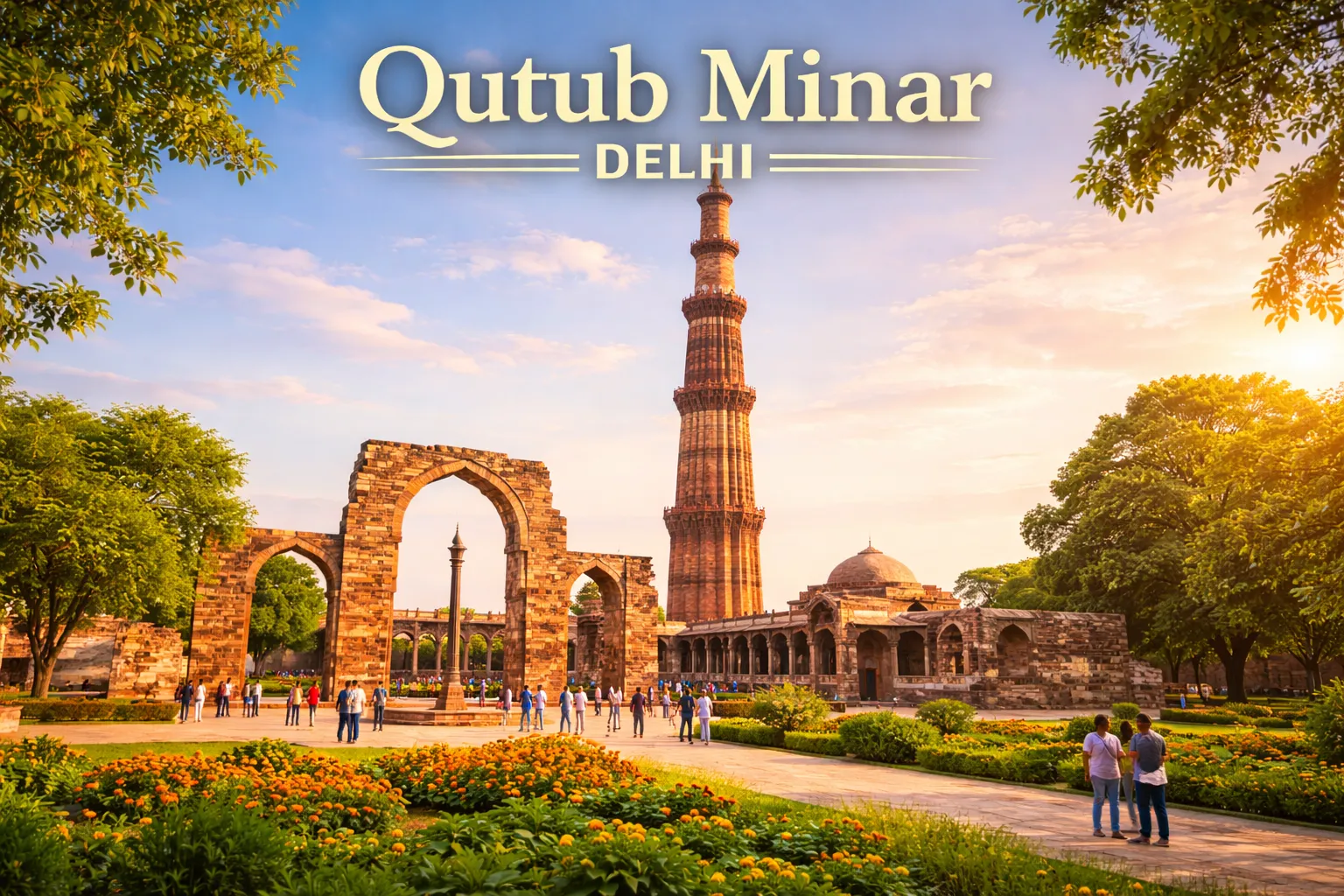
    Qutub Minar, located in Mehrauli, South Delhi, is one of India’s most iconic historical monuments and a shining example of Indo-Islamic architecture. Rising to a height of 73 meters, this majestic minaret has stood for over 800 years and continues to fascinate visitors from around the world.

    Part of the Qutub Complex, the monument is surrounded by ancient mosques, tombs, and inscriptions, making it one of the most important heritage sites in Delhi.


    📌 Table of Contents

    1. Why Visit Qutub Minar
    2. About Qutub Minar
    3. History & Cultural Significance
    4. Architecture & Design Highlights
    5. Monuments Inside the Qutub Complex
    6. Best Time to Visit
    7. Qutub Minar Timings
    8. Entry Tickets & Charges
    9. How to Reach Qutub Minar
    10. Visitor Tips & Rules
    11. Suggested Visit Plan
    12. FAQs
    13. Explore More Delhi Travel Guides

    🌟 Why Visit Qutub Minar

    • UNESCO World Heritage Site
    • ✔ Tallest brick minaret in the world
    • ✔ Rich Islamic & Indian architectural details
    • ✔ Beautiful gardens and ruins
    • ✔ Perfect for photography & learning 📸

    Qutub Minar is a must-visit to understand Delhi’s early medieval history.


    🏛️ About Qutub Minar

    Qutub Minar is part of a larger historical complex built during the Delhi Sultanate period.

    Key Facts:

    • Location: Mehrauli, South Delhi
    • Height: ~73 meters
    • Construction started: 1193
    • Built by: Qutb-ud-din Aibak
    • Completed by: Iltutmish

    The monument is made of red sandstone and marble.


    📜 History & Cultural Significance

    • Construction began after the establishment of Muslim rule in Delhi
    • Built to celebrate victory and mark the beginning of a new era
    • Renovated and repaired by later rulers after lightning damage

    The minaret has survived earthquakes and centuries of change, standing as a symbol of Delhi’s layered history.


    🏗️ Architecture & Design Highlights

    Qutub Minar is admired for its intricate craftsmanship.

    Architectural Features:

    • Five distinct storeys
    • Each storey has a projecting balcony
    • Carved Quranic inscriptions
    • Alternating angular and circular flutings

    The detailing becomes finer as the structure rises upward.


    🏛️ Monuments Inside the Qutub Complex

    Besides Qutub Minar, the complex includes:

    🕌 Quwwat-ul-Islam Mosque

    • One of the earliest mosques in India

    🧲 Iron Pillar

    • Over 1,600 years old
    • Famous for not rusting

    🪦 Tomb of Iltutmish

    • Beautiful stone carvings

    🏰 Ala’i Minar (unfinished)

    • Intended to be taller than Qutub Minar

    These structures make the complex a complete historical experience.


    🗓️ Best Time to Visit Qutub Minar

    ✔ Best Months

    • October to March – pleasant weather

    ✔ Best Time of Day

    • Early morning
    • Late afternoon for golden-hour photos 🌅

    ❌ Avoid

    • Hot summer afternoons
    • Peak holiday crowds if you prefer quiet visits

    ⏰ Qutub Minar Timings

    • Open: Daily
    • Timings:
      • Sunrise to Sunset

    Timings may vary slightly by season.


    🎟️ Entry Tickets & Charges (Approx.)

    • Indian Citizens: ₹40
    • Foreign Tourists: ₹600
    • Children below 15: Free

    Tickets available online and at the entrance.


    🚇 How to Reach Qutub Minar

    🚆 By Metro (Best Option)

    • Qutub Minar Metro Station (Yellow Line)
    • Short auto or walk from the station

    🚕 By Cab / Auto

    • Easily accessible from South & Central Delhi

    🚶 Nearby Attractions

    • Mehrauli Archaeological Park
    • Chhatarpur Mandir
    • Hauz Khas

    👮 Visitor Tips & Rules

    • Photography allowed (no drones)
    • Do not climb restricted areas
    • Carry water in summer
    • Wear comfortable shoes
    • Respect heritage structures

    Security and guides are available inside the complex.


    🗺️ Suggested Visit Plan (1.5–2 Hours)

    First 45 Minutes:

    • Qutub Minar and Iron Pillar

    Next 30 Minutes:

    • Mosque & Iltutmish’s Tomb

    Optional:

    • Walk around landscaped gardens

    ❓ FAQs

    Is Qutub Minar a UNESCO site?
    Yes, it is a UNESCO World Heritage Site.

    Is photography allowed?
    Yes, for personal use.

    How much time is enough?
    1.5–2 hours is ideal.

    Is Qutub Minar safe for families?
    Yes, very family-friendly.

    Is night visit allowed?
    Occasionally during special events.


    🌍 Explore More Delhi Travel Guides

    After visiting Qutub Minar, explore nearby attractions like Mehrauli Archaeological Park, Chhatarpur Mandir, and Hauz Khas.

    Continue your heritage journey with Humayun’s Tomb, Red Fort, and Jama Masjid, or relax at Lodhi Garden. Families may enjoy National Zoological Park and Nehru Planetarium.


  • 🏛️ Humayun’s Tomb Travel Guide: History, Architecture, Timings & Visitor Tips

    🏛️ Humayun’s Tomb Travel Guide: History, Architecture, Timings & Visitor Tips

    India’s First Mughal Garden Tomb & a UNESCO World Heritage Site

    Humayun’s Tomb, located in Nizamuddin East, New Delhi, is one of India’s most iconic historical monuments and a masterpiece of early Mughal architecture. Built in the 16th century, this grand tomb set the foundation for later architectural marvels like the Taj Mahal.

    Surrounded by lush Charbagh gardens, symmetrical pathways, and elegant Persian-style design, Humayun’s Tomb offers visitors a perfect blend of history, art, architecture, and tranquility.


    📌 Table of Contents

    1. Why Visit Humayun’s Tomb
    2. About Humayun’s Tomb
    3. History & Cultural Significance
    4. Architecture & Design Highlights
    5. The Charbagh Garden Layout
    6. Other Monuments Inside the Complex
    7. Best Time to Visit
    8. Humayun’s Tomb Timings
    9. Entry Tickets & Charges
    10. How to Reach Humayun’s Tomb
    11. Visitor Tips & Rules
    12. Suggested Visit Plan
    13. FAQs
    14. Explore More Delhi Travel Guides

    🌟 Why Visit Humayun’s Tomb

    • UNESCO World Heritage Site
    • ✔ First garden tomb in the Indian subcontinent
    • ✔ Precursor to the Taj Mahal
    • ✔ Stunning Mughal–Persian architecture
    • ✔ Peaceful gardens perfect for photography 📸

    It’s one of the most elegant and relaxing heritage sites in Delhi.


    🏛️ About Humayun’s Tomb

    Humayun’s Tomb was built for Emperor Humayun, the second Mughal emperor of India.

    Key Facts:

    • Location: Nizamuddin East, Delhi
    • Built by: Empress Bega Begum
    • Construction period: 1565–1572
    • Style: Mughal–Persian architecture

    The tomb complex covers a large area with multiple structures.


    📜 History & Cultural Significance

    • Humayun died in 1556
    • His widow, Bega Begum, commissioned the tomb
    • Designed by Persian architect Mirak Mirza Ghiyas

    It marked a turning point in Indian architecture by introducing:

    • Charbagh (four-part) garden concept
    • Elevated central mausoleum
    • Symmetry and red sandstone–white marble contrast

    🏗️ Architecture & Design Highlights

    Humayun’s Tomb is admired for its perfect balance and proportions.

    Architectural Features:

    • Red sandstone structure with white marble details
    • Double dome system
    • High central archways (iwans)
    • Octagonal design

    The architectural style directly inspired later Mughal monuments.


    🌿 The Charbagh Garden Layout

    The tomb is set within a Persian-style Charbagh garden.

    Garden Highlights:

    • Four symmetrical garden quadrants
    • Water channels and pathways
    • Raised platforms and lawns

    The garden symbolizes paradise as described in Islamic tradition.


    🏛️ Other Monuments Inside the Complex

    Besides Humayun’s main tomb, the complex includes:

    • Isa Khan’s Tomb
    • Bu Halima’s Tomb & Garden
    • Arab Serai
    • Afsarwala Tomb & Mosque

    These structures add depth to the historical experience.


    🗓️ Best Time to Visit Humayun’s Tomb

    ✔ Best Months

    • October to March – pleasant weather

    ✔ Best Time of Day

    • Early morning
    • Late afternoon for golden-hour photography 🌅

    ❌ Avoid

    • Midday summer heat
    • Extremely crowded weekends if possible

    ⏰ Humayun’s Tomb Timings

    • Open: Daily
    • Timings:
      • Sunrise to Sunset

    Exact opening and closing times may vary by season.


    🎟️ Entry Tickets & Charges (Approx.)

    • Indian Citizens: ₹40
    • Foreign Tourists: ₹600
    • Children below 15: Free

    Tickets can be purchased online or at the entrance.


    🚇 How to Reach Humayun’s Tomb

    🚆 By Metro

    • JLN Stadium Metro Station (Violet Line)
    • Auto or cab from the station

    🚕 By Cab / Auto

    • Easily accessible from central and South Delhi

    🚶 Nearby Attractions

    • Nizamuddin Dargah
    • Sunder Nursery
    • Lodhi Garden

    👮 Visitor Tips & Rules

    • Photography allowed (no drones)
    • Carry water bottles in summer
    • Wear comfortable walking shoes
    • Respect heritage structures
    • Avoid climbing or touching carvings

    Security is present throughout the complex.


    🗺️ Suggested Visit Plan (1.5–2 Hours)

    First 45 Minutes:

    • Main tomb exploration

    Next 30 Minutes:

    • Garden walk and photography

    Optional:

    • Explore nearby tombs inside the complex

    Perfect for a calm heritage walk.


    ❓ FAQs

    Is Humayun’s Tomb worth visiting?
    Absolutely—it’s one of Delhi’s finest monuments.

    Is it good for families and kids?
    Yes, it’s spacious and educational.

    Is photography allowed?
    Yes, for personal use.

    How much time is enough?
    1.5–2 hours is ideal.

    Is it wheelchair accessible?
    Partially accessible in garden areas.


    🌍 Explore More Delhi Travel Guides

    After visiting Humayun’s Tomb, explore Dargah Hazrat Nizamuddin Aulia, Sunder Nursery, and Lodhi Garden nearby.

    History lovers can continue to Red Fort, Jama Masjid, and Qutub Minar, while families may enjoy National Zoological Park and Nehru Planetarium.
  • 🕌 Jama Masjid Travel Guide: History, Timings, Entry Rules & Visitor Tips

    🕌 Jama Masjid Travel Guide: History, Timings, Entry Rules & Visitor Tips

    India’s Largest Mosque & a Timeless Symbol of Mughal Grandeur

    Jama Masjid, located in the heart of Old Delhi, is one of the largest and most magnificent mosques in India. Built by Mughal Emperor Shah Jahan, the mosque stands as a powerful reminder of India’s rich Islamic heritage, architectural brilliance, and spiritual traditions.

    With its massive courtyards, elegant minarets, red sandstone walls, and white marble domes, Jama Masjid attracts devotees, historians, photographers, and travelers from around the world.


    📌 Table of Contents

    1. Why Visit Jama Masjid
    2. About Jama Masjid
    3. History & Religious Significance
    4. Architecture & Design Highlights
    5. Courtyard, Minarets & Prayer Hall
    6. Best Time to Visit
    7. Jama Masjid Timings
    8. Entry Fee & Camera Charges
    9. How to Reach Jama Masjid
    10. Dress Code, Rules & Etiquette
    11. Things to Do Around Jama Masjid
    12. FAQs
    13. Explore More Delhi Travel Guides

    🌟 Why Visit Jama Masjid

    • Largest mosque in India
    • ✔ Built by Shah Jahan, the Mughal emperor
    • ✔ Stunning Mughal architecture
    • ✔ Deep spiritual atmosphere
    • ✔ Located in vibrant Old Delhi

    It’s a must-visit landmark to understand Delhi’s history, faith, and living culture.


    🏛️ About Jama Masjid

    Jama Masjid is officially known as Masjid-i-Jahan-Numa, meaning “Mosque that reflects the world.”

    Key Facts:

    • Location: Old Delhi (near Chandni Chowk)
    • Built by: Emperor Shah Jahan
    • Construction completed: 1656
    • Capacity: Over 25,000 worshippers
    • Entry: Open to all religions

    📜 History & Religious Significance

    • Construction began in 1650
    • Built using red sandstone and white marble
    • Served as the principal mosque of Mughal Delhi

    For centuries, Jama Masjid has been a center of Islamic worship, learning, and community gatherings, especially during Friday prayers, Eid-ul-Fitr, and Eid-ul-Adha.


    🏗️ Architecture & Design Highlights

    Jama Masjid is a masterpiece of Mughal architecture.

    Architectural Features:

    • Three large white marble domes
    • Two towering minarets (40 meters high)
    • Vast open courtyard
    • Ornate arches and calligraphy

    The mosque’s symmetry and scale leave a lasting impression.


    🕌 Courtyard, Minarets & Prayer Hall

    🧱 The Courtyard

    • One of the largest mosque courtyards in the world
    • Can accommodate thousands of devotees
    • Peaceful despite surrounding chaos

    🗼 Minarets

    • Visitors can climb one minaret
    • Offers panoramic views of Old Delhi (narrow stairs)

    🛐 Prayer Hall

    • Beautiful mihrab and marble flooring
    • Reserved for prayers—maintain silence

    🗓️ Best Time to Visit Jama Masjid

    ✔ Best Months

    • October to March – comfortable weather

    ✔ Best Time of Day

    • Early morning
    • Late afternoon (before sunset)

    ❌ Avoid

    • Prayer times if you are not attending prayers
    • Extremely crowded festival hours unless you want the experience

    ⏰ Jama Masjid Timings

    • Open: Daily
    • Timing:
      • Morning: Around 7:00 AM
      • Evening: Till 6:30 PM

    Entry may be restricted briefly during prayer times.


    🎟️ Entry Fee & Camera Charges

    • Entry: Free
    • Camera Fee: Approx. ₹300 (subject to change)
    • Minaret Access: Small fee may apply

    No compulsory charges—donations are voluntary.


    🚇 How to Reach Jama Masjid

    🚆 By Metro (Best Option)

    • Jama Masjid Metro Station (Violet Line)
    • Chandni Chowk Metro Station (Yellow Line)

    🚕 By Auto / Rickshaw

    • Narrow lanes—cycle rickshaws are common

    🚶 Nearby Landmarks

    • Red Fort
    • Chandni Chowk
    • Meena Bazaar

    👗 Dress Code, Rules & Etiquette

    • Modest clothing required
    • Shoulders and legs must be covered
    • Head covering recommended
    • Shoes must be removed
    • Photography restricted in prayer areas

    Robes are available on rent at the entrance if needed.


    🏪 Things to Do Around Jama Masjid

    • Explore Chandni Chowk street food 🍽️
    • Visit Meena Bazaar
    • Walk to Red Fort
    • Try Old Delhi delicacies like kebabs and biryani

    It’s perfect for combining heritage + food exploration.


    ❓ FAQs

    Is Jama Masjid open to non-Muslims?
    Yes, visitors of all religions are welcome.

    Is photography allowed?
    Yes, with camera fee (rules may vary).

    Can women visit Jama Masjid?
    Yes, with proper dress code.

    How much time is enough?
    1–1.5 hours is sufficient.

    Is Jama Masjid safe for tourists?
    Yes, but be mindful of crowds and belongings.


    🌍 Explore More Delhi Travel Guides

    After Jama Masjid, explore Red Fort, Raj Ghat, and India Gate to continue your heritage journey.

    For spiritual exploration, visit Gurdwara Bangla Sahib, Lotus Temple, and Dargah Hazrat Nizamuddin Aulia. Families may enjoy National Zoological Park and Nehru Planetarium.
  • 🌿 Hauz Khas Travel Guide: Fort, Lake, Village & Visitor Tips

    🌿 Hauz Khas Travel Guide: Fort, Lake, Village & Visitor Tips

    Where Delhi’s Medieval History Meets Modern Café Culture

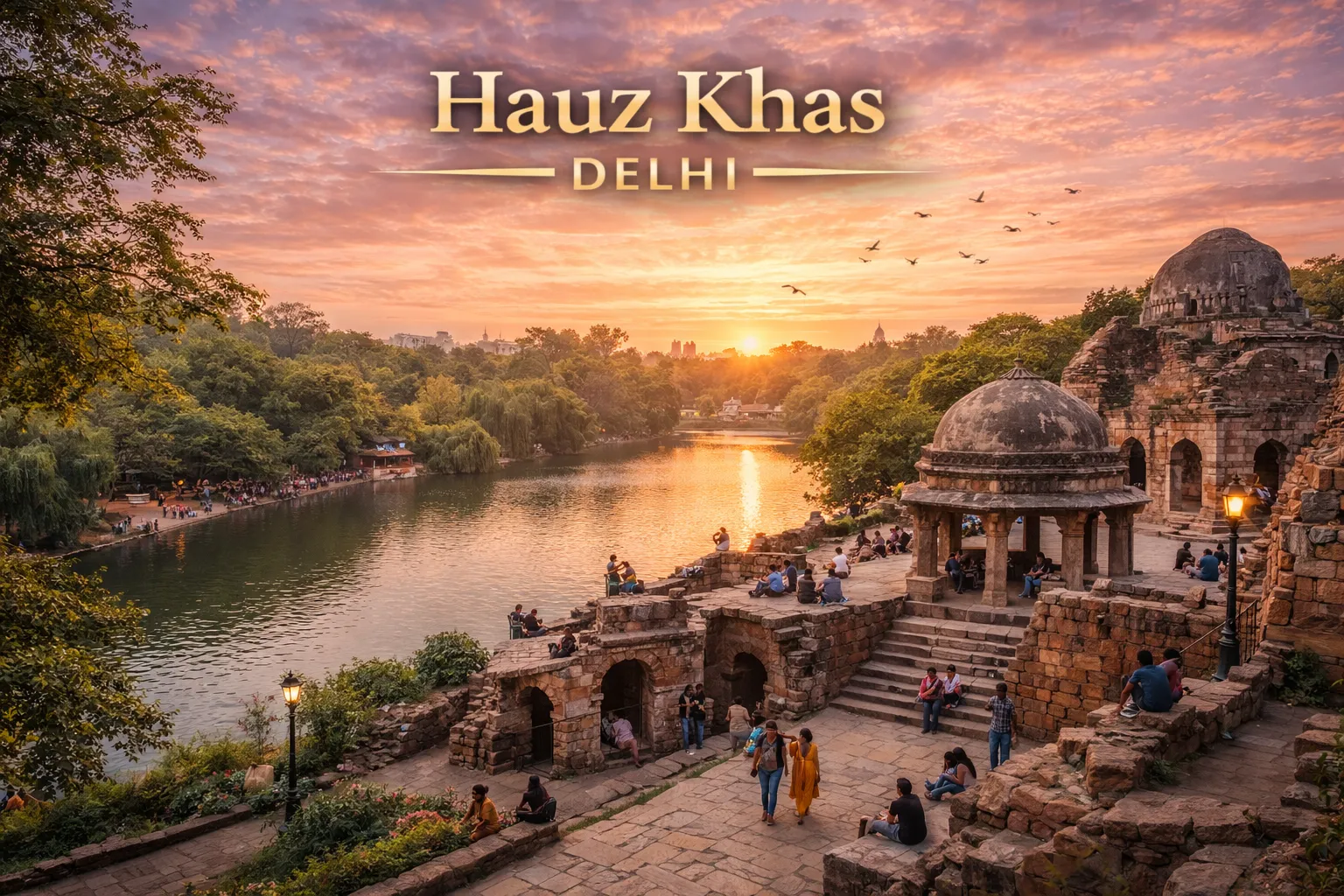
    Hauz Khas is one of Delhi’s most fascinating areas, offering a rare blend of medieval history, scenic lake views, green parks, art spaces, and vibrant cafés. Located in South Delhi, Hauz Khas is loved by history enthusiasts during the day and transforms into a lively social hub by evening.

    From the ruins of Hauz Khas Fort and Firoz Shah Tughlaq’s madrasa to rooftop cafés overlooking the lake, Hauz Khas perfectly represents Delhi’s old soul and modern spirit.


    📌 Table of Contents

    1. Why Visit Hauz Khas
    2. About Hauz Khas
    3. History & Heritage Significance
    4. Hauz Khas Fort & Monuments
    5. Hauz Khas Lake & Deer Park
    6. Hauz Khas Village (HKV)
    7. Best Time to Visit
    8. Hauz Khas Timings
    9. How to Reach Hauz Khas
    10. Things to Do in Hauz Khas
    11. Visitor Tips & Safety
    12. FAQs
    13. Explore More Delhi Travel Guides

    🌟 Why Visit Hauz Khas

    • ✔ Perfect mix of history, nature & nightlife
    • ✔ Stunning lake views and medieval ruins
    • ✔ Popular cafés, art galleries & boutiques
    • ✔ Ideal for photography & evening walks
    • ✔ Free entry to fort and park areas

    Hauz Khas is ideal for travelers who enjoy slow exploration with visual charm.


    🏛️ About Hauz Khas

    The name Hauz Khas means “Royal Tank.”

    Key Facts:

    • Location: South Delhi
    • Built by: Alauddin Khilji (13th century)
    • Later developed by: Firoz Shah Tughlaq
    • Type: Historic reservoir + fort complex + urban village

    Hauz Khas once supplied water to the city of Siri, the medieval capital of Delhi.


    📜 History & Heritage Significance

    • Constructed in the 13th century by Alauddin Khilji
    • Expanded in the 14th century by Firoz Shah Tughlaq
    • Included a madrasa (Islamic school), mosque, pavilions, and tomb

    Today, the ruins stand as a reminder of Delhi’s Sultanate-era brilliance.


    🏰 Hauz Khas Fort & Monuments

    🕌 Madrasa of Firoz Shah Tughlaq

    • Overlooks Hauz Khas Lake
    • One of the oldest educational institutions in India

    🪦 Tomb of Firoz Shah Tughlaq

    • Simple yet historically important
    • Located inside the complex

    🏛️ Pavilions & Arches

    • Scenic ruins perfect for photography
    • Blend of Islamic architecture and nature

    Entry to the fort complex is free.


    💧 Hauz Khas Lake & Deer Park

    🌊 Hauz Khas Lake

    • Large medieval reservoir
    • Offers beautiful sunset views
    • Surrounded by walking paths and greenery

    🦌 Deer Park (Nearby)

    • Home to deer, peacocks, rabbits 🦚
    • Popular for morning walks and jogging
    • Family-friendly and peaceful

    Together, they make Hauz Khas a great nature escape.


    ☕ Hauz Khas Village (HKV)

    Hauz Khas Village is famous for its:

    • Rooftop cafés & restaurants
    • Art galleries & boutiques
    • Live music venues

    Popular Activities:

    • Café hopping
    • Evening walks
    • Art exhibitions
    • Social gatherings

    HKV is especially popular among young travelers and couples.


    🗓️ Best Time to Visit Hauz Khas

    ✔ Best Months

    • October to March – pleasant weather

    ✔ Best Time of Day

    • Morning: fort & lake exploration
    • Evening: cafés and village vibe

    ❌ Avoid

    • Late night visits if unfamiliar with the area
    • Hot summer afternoons

    ⏰ Hauz Khas Timings

    • Fort & Park Areas:
      • Daily: 6:00 AM – 7:00 PM
    • Cafés & Village:
      • Afternoon till late evening (varies by place)

    🚇 How to Reach Hauz Khas

    🚆 By Metro

    • Hauz Khas Metro Station (Yellow & Magenta Line)
    • Auto or 10–15 minute walk

    🚕 By Cab / Auto

    • Easily accessible from all parts of Delhi

    🚶 Nearby Areas

    • Green Park
    • IIT Delhi
    • Safdarjung Enclave

    🎯 Things to Do in Hauz Khas

    • Explore medieval ruins 🏛️
    • Walk around the lake 🌅
    • Photography & videography 📸
    • Café hopping ☕
    • Visit Deer Park 🦌

    It’s perfect for a half-day relaxed outing.


    👮 Visitor Tips & Safety

    • Wear comfortable footwear
    • Visit with daylight for fort exploration
    • Keep valuables safe in crowded cafés
    • Respect heritage structures
    • Follow local guidelines

    The area is generally safe, especially during daytime and early evenings.


    ❓ FAQs

    Is Hauz Khas Fort free to visit?
    Yes, entry is free.

    Is Hauz Khas good for couples?
    Yes, but public decorum rules apply.

    Is Hauz Khas safe at night?
    Busy café areas are safe; avoid isolated spots late at night.

    How much time is enough?
    3–4 hours is ideal.

    Is it suitable for families?
    Yes, especially fort, lake, and Deer Park.


    🌍 Explore More Delhi Travel Guides

    After visiting Hauz Khas, you can explore Lodhi Garden, Qutub Minar, and Mehrauli Archaeological Park, all located nearby.

    For spiritual experiences, visit Chhatarpur Mandir, Lotus Temple, and Gurdwara Bangla Sahib. Families may enjoy National Zoological Park and Nehru Planetarium.
  • 🌿 Lodhi Garden Travel Guide: Timings, History, Monuments & Visitor Tips

    🌿 Lodhi Garden Travel Guide: Timings, History, Monuments & Visitor Tips

    Delhi’s Most Peaceful Heritage Park for Walks, History & Nature

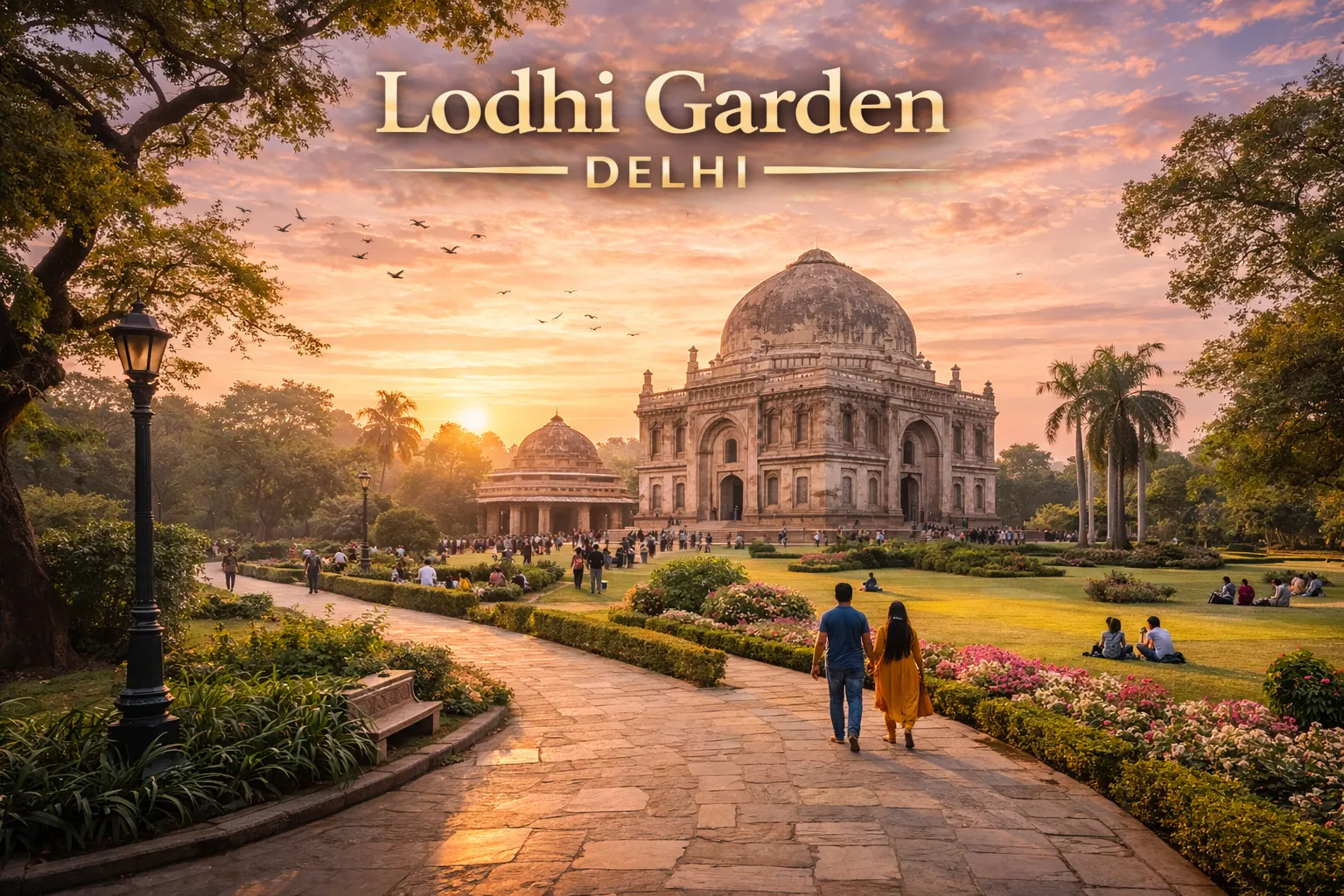
    Lodhi Garden is one of Delhi’s most loved green spaces, blending lush gardens, historic tombs, walking paths, and calm surroundings in the heart of the city. Spread across 90 acres, this heritage park is a perfect escape from traffic and noise, offering a unique mix of nature, history, fitness, and relaxation.

    Popular among morning walkers, yoga groups, photographers, couples, and tourists, Lodhi Garden is free to enter and open to everyone—making it one of the best places to experience Delhi at a slower, more peaceful pace.


    📌 Table of Contents

    1. Why Visit Lodhi Garden
    2. About Lodhi Garden
    3. History & Heritage Significance
    4. Monuments Inside Lodhi Garden
    5. Flora, Fauna & Natural Beauty
    6. Best Time to Visit
    7. Lodhi Garden Timings
    8. How to Reach Lodhi Garden
    9. Things to Do in Lodhi Garden
    10. Visitor Rules & Tips
    11. Suggested Visit Plan
    12. FAQs
    13. Explore More Delhi Travel Guides

    🌟 Why Visit Lodhi Garden

    • ✔ One of Delhi’s largest heritage parks
    • ✔ Free entry and centrally located
    • ✔ Ideal for walking, yoga & photography
    • ✔ Historic monuments from the Lodhi era
    • ✔ Calm, green, and family-friendly

    It’s equally perfect for a quiet morning walk or a relaxed evening stroll.


    🏛️ About Lodhi Garden

    Lodhi Garden is a protected heritage park located between Lodhi Road and Lajpat Nagar.

    Key Facts:

    • Area: ~90 acres
    • Location: Central Delhi
    • Managed by: Government of India
    • Entry Fee: Free

    The garden combines landscaped lawns with medieval Islamic architecture.


    📜 History & Heritage Significance

    Lodhi Garden contains tombs from the Lodhi Dynasty (15th–16th century), one of the last ruling dynasties of the Delhi Sultanate.

    Originally known as Lady Willingdon Park during British rule, it was later renamed Lodhi Garden after India’s independence.

    Today, it stands as a rare example of heritage monuments preserved within a public park.


    🕌 Monuments Inside Lodhi Garden

    🏰 Tomb of Sikandar Lodi

    • Built in 1517
    • Square garden tomb
    • Surrounded by water moat

    🏛️ Shisha Gumbad

    • Name means “Glass Dome”
    • Known for its beautiful dome and arches

    🕌 Bara Gumbad

    • Massive dome structure
    • Mosque and guesthouse nearby

    🏺 Mohammed Shah’s Tomb

    • Early Lodhi-era monument
    • Rich decorative elements

    Each monument adds historical depth to the garden walk.


    🌸 Flora, Fauna & Natural Beauty

    Lodhi Garden is rich in:

    • Trees, flowering plants & lawns
    • Seasonal flowers
    • Birds like parrots, mynas & peacocks 🦜

    It’s a favorite spot for nature photography and bird watching.


    🗓️ Best Time to Visit Lodhi Garden

    ✔ Best Months

    • October to March – pleasant weather

    ✔ Best Time of Day

    • Early morning (5:30–8:00 AM)
    • Evening before sunset

    ❌ Avoid

    • Hot summer afternoons
    • Rainy days if you plan long walks

    ⏰ Lodhi Garden Timings

    • Open: Daily
    • Timing:
      • Morning: 5:00 AM
      • Evening: Till 8:00 PM

    Timings may change slightly in winter.


    🚇 How to Reach Lodhi Garden

    🚆 By Metro

    • JLN Stadium Metro Station (Violet Line)
    • Jor Bagh Metro Station (Yellow Line)

    Short walk or auto ride from both stations.

    🚕 By Cab / Auto

    • Easily accessible from all parts of Delhi

    🧘 Things to Do in Lodhi Garden

    • Morning walk or jogging 🏃
    • Yoga and meditation
    • Photography & videography 📸
    • Picnics (light & respectful)
    • Reading or relaxing under trees

    It’s one of the safest and cleanest parks in Delhi.


    👮 Visitor Rules & Tips

    • Do not pluck flowers or damage plants
    • Keep the park clean
    • Loud music not allowed
    • Pets must be controlled
    • Respect monuments and heritage structures

    Security guards are present throughout the park.


    🗺️ Suggested Visit Plan (1–2 Hours)

    First 30 Minutes:

    • Walk through central lawns

    Next 30–45 Minutes:

    • Explore Sikandar Lodi’s Tomb & Bara Gumbad

    Optional:

    • Sit quietly or photograph monuments
    • Evening walk near sunset

    ❓ FAQs

    Is Lodhi Garden free to enter?
    Yes, entry is completely free.

    Is it safe for solo visitors?
    Yes, very safe, especially during daytime.

    Can children visit Lodhi Garden?
    Yes, it’s family-friendly.

    Is photography allowed?
    Yes, photography is allowed.

    Is Lodhi Garden good for couples?
    Yes, but public behavior rules apply.


    🌍 Explore More Delhi Travel Guides

    After visiting Lodhi Garden, you can explore nearby attractions like India Gate, National Museum, and Khan Market.

    For spiritual travel, visit Dargah Hazrat Nizamuddin Aulia, Lotus Temple, and Gurdwara Bangla Sahib. Families may enjoy National Zoological Park and Nehru Planetarium.
  • 🛕 Chhatarpur Mandir Travel Guide: History, Timings, Architecture & Visitor Tips

    🛕 Chhatarpur Mandir Travel Guide: History, Timings, Architecture & Visitor Tips

    One of Delhi’s Largest and Most Peaceful Hindu Temples

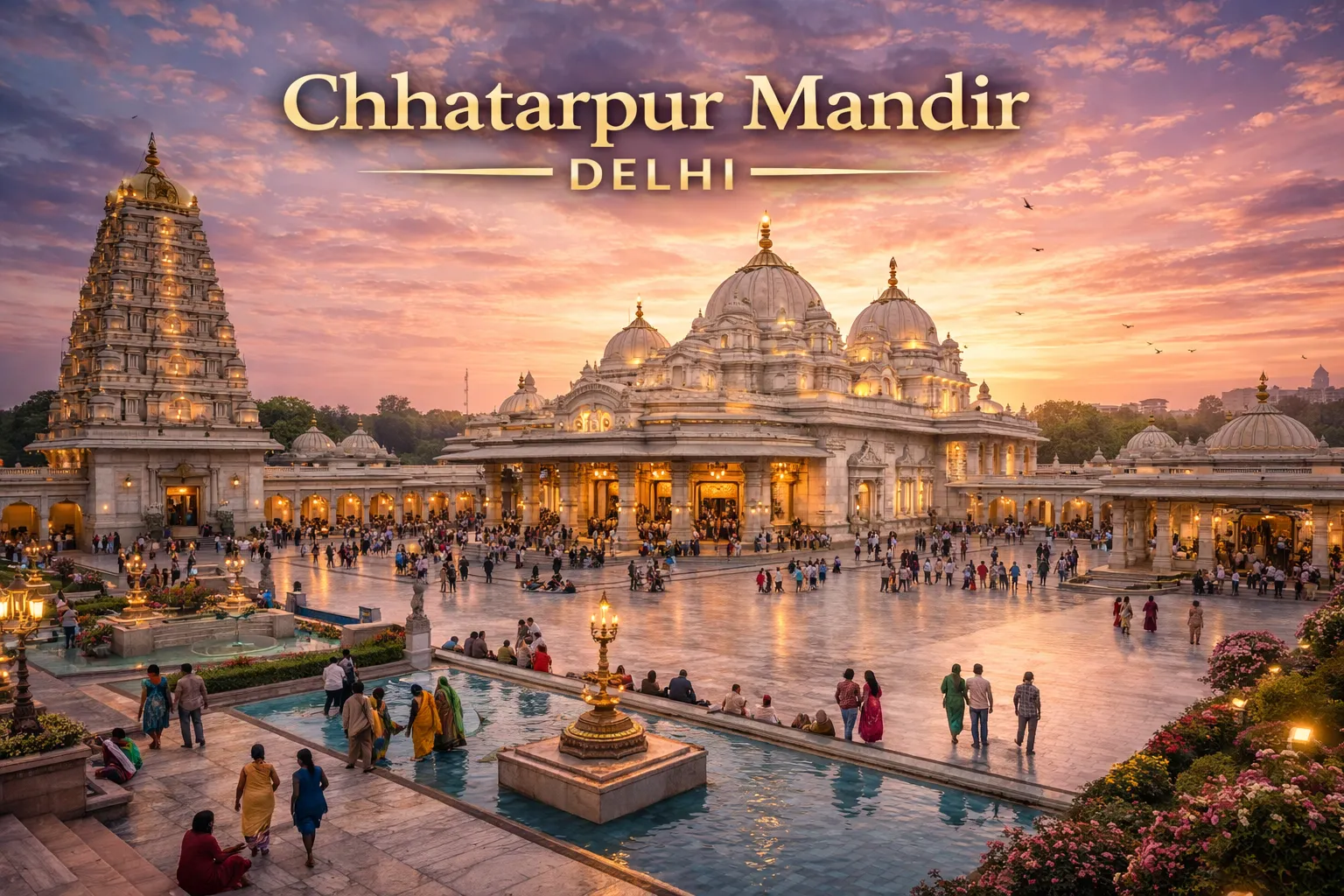
    Chhatarpur Mandir, officially known as Shri Aadya Katyayani Shakti Peeth, is one of the largest temple complexes in India. Located in South Delhi, near Mehrauli–Gurgaon Road, this vast and beautifully designed temple is dedicated to Goddess Katyayani, a form of Goddess Durga.

    Known for its grand scale, peaceful atmosphere, and intricate architecture, Chhatarpur Mandir is a popular destination for devotees, spiritual seekers, and tourists looking for calm away from the city’s noise.


    📌 Table of Contents

    1. Why Visit Chhatarpur Mandir
    2. About Chhatarpur Mandir
    3. History & Spiritual Significance
    4. Architecture & Temple Complex
    5. Main Shrines Inside the Temple
    6. Best Time to Visit
    7. Chhatarpur Mandir Timings
    8. How to Reach Chhatarpur Mandir
    9. Visitor Rules, Dress Code & Etiquette
    10. Suggested Visit Plan
    11. FAQs
    12. Explore More Delhi Travel Guides

    🌟 Why Visit Chhatarpur Mandir

    • ✔ One of the largest temple complexes in Delhi
    • ✔ Dedicated to Goddess Katyayani
    • ✔ Calm, open, and spacious environment
    • ✔ Beautiful blend of North & South Indian architecture
    • ✔ Free entry and easy accessibility

    It’s a perfect place for peaceful prayer, meditation, and spiritual reflection.


    🏛️ About Chhatarpur Mandir

    Chhatarpur Mandir is spread across a vast area and includes multiple temples dedicated to different Hindu deities.

    Key Facts:

    • Location: Chhatarpur, South Delhi
    • Main Deity: Goddess Katyayani (Durga)
    • Also dedicated to: Shiva, Vishnu, Hanuman, Ganesha, Rama, Krishna
    • Entry Fee: Free

    The temple complex is well-maintained and open to all devotees.


    📜 History & Spiritual Significance

    • Established in 1974 by Baba Sant Nagpal Ji
    • Built as a tribute to Maa Katyayani
    • Considered an important Shakti Peeth in Delhi

    Devotees believe that sincere prayers here bring strength, protection, and blessings, especially during Navratri.


    🏗️ Architecture & Temple Complex

    Chhatarpur Mandir is famous for its unique architectural mix.

    Architectural Highlights:

    • Marble and sandstone construction
    • Tall pillars and carved ceilings
    • Open courtyards and wide pathways
    • South Indian-style shrines alongside North Indian temples

    Despite its size, the complex feels calm and uncluttered.


    🛕 Main Shrines Inside the Temple

    • Shri Aadya Katyayani Temple (main shrine)
    • Lord Shiva Temple
    • Lord Vishnu & Lakshmi Temple
    • Hanuman Temple
    • Ganesha Temple
    • Rama–Sita Temple
    • Radha–Krishna Temple

    Each shrine is clearly marked and easy to visit.


    🗓️ Best Time to Visit Chhatarpur Mandir

    ✔ Best Months

    • October to March – pleasant weather

    ✔ Best Time of Day

    • Early morning for peace
    • Evening aarti for spiritual ambience

    🌸 Special Time

    • Navratri – highly auspicious but very crowded

    ⏰ Chhatarpur Mandir Timings

    • Open: Daily
    • Timing:
      • Morning: 6:00 AM
      • Evening: Till 10:00 PM

    Timings may vary slightly during festivals.


    🚇 How to Reach Chhatarpur Mandir

    🚆 By Metro (Best Option)

    • Chhatarpur Metro Station (Yellow Line)
    • 10–15 minute walk or short auto ride

    🚕 By Cab / Auto

    • Easily reachable from all parts of Delhi

    🚗 By Car

    • Parking available near the temple complex

    👗 Visitor Rules, Dress Code & Etiquette

    • Dress modestly
    • Footwear to be removed before entering shrines
    • Photography may be restricted near sanctum areas
    • Maintain silence and cleanliness
    • Respect religious sentiments

    The temple is family-friendly and well-secured.


    🗺️ Suggested Visit Plan (1–2 Hours)

    First 30 Minutes:

    • Main Katyayani shrine darshan

    Next 30–45 Minutes:

    • Visit other deity temples

    Optional:

    • Sit quietly in open courtyards
    • Evening aarti experience

    Perfect for a calm spiritual break.


    ❓ FAQs

    Is Chhatarpur Mandir free to visit?
    Yes, entry is completely free.

    Is it crowded every day?
    No, crowds increase mainly on festivals and weekends.

    Is photography allowed?
    Limited photography is allowed in open areas.

    Is it suitable for senior citizens?
    Yes, the complex is spacious and walkable.

    Is Chhatarpur Mandir safe for tourists?
    Yes, it is safe and well-managed.


    🌍 Explore More Delhi Travel Guides

    After visiting Chhatarpur Mandir, you may also explore Lotus Temple, Akshardham Temple, and Gurdwara Bangla Sahib for a complete spiritual journey in Delhi.

    History lovers can visit Qutub Minar and Mehrauli Archaeological Park, located nearby, while families may enjoy National Zoological Park and Nehru Planetarium.

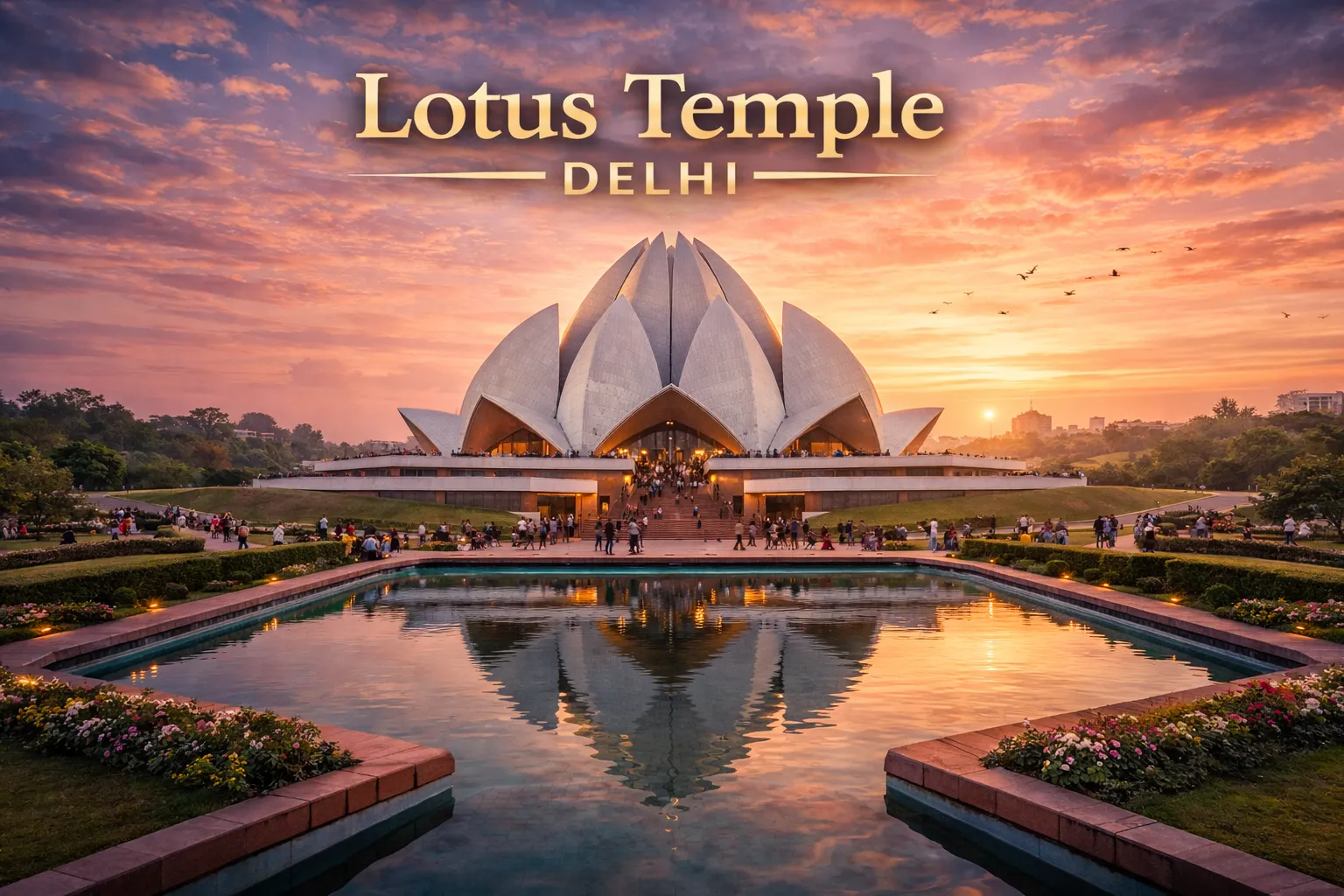
  • 🌸 Lotus Temple Travel Guide: Timings, Architecture, History & Visitor Tips

    🌸 Lotus Temple Travel Guide: Timings, Architecture, History & Visitor Tips

    Delhi’s Icon of Peace, Silence & Universal Faith

    The Lotus Temple, located in South Delhi, is one of India’s most unique and globally admired landmarks. Famous for its lotus-shaped white marble architecture, this Bahá’í House of Worship symbolizes peace, unity, and harmony among all religions.

    Open to people of all faiths, backgrounds, and nationalities, the Lotus Temple is not a place of rituals—but a space for silent prayer, meditation, and reflection. It is one of the most visited buildings in the world, attracting millions of visitors every year.


    📌 Table of Contents

    1. Why Visit Lotus Temple
    2. About the Lotus Temple
    3. History & Spiritual Significance
    4. Architecture & Design Highlights
    5. What to Expect Inside
    6. Best Time to Visit
    7. Lotus Temple Timings
    8. Entry Rules & Dress Code
    9. How to Reach Lotus Temple
    10. Visitor Tips for a Peaceful Experience
    11. Nearby Attractions to Explore
    12. FAQs
    13. Explore More Delhi Travel Guides

    🌟 Why Visit Lotus Temple

    • ✔ One of the most visited monuments in the world
    • ✔ Open to people of all religions and beliefs
    • ✔ Stunning lotus-inspired architecture 🌸
    • ✔ Peaceful environment for meditation
    • ✔ Free entry and centrally accessible

    It’s a place to slow down, breathe, and reconnect with inner calm.


    🏛️ About the Lotus Temple

    The Lotus Temple is a Bahá’í House of Worship, following the Bahá’í faith’s principle of unity of all religions and humanity.

    Key Facts:

    • Location: Kalkaji, South Delhi
    • Religion: Bahá’í Faith
    • Opened to public: 1986
    • Architect: Fariborz Sahba
    • Material: White marble from Greece

    📜 History & Spiritual Significance

    The Bahá’í faith teaches that all major religions come from the same divine source. The Lotus Temple reflects this belief by welcoming everyone, regardless of faith.

    There are no idols, sermons, or rituals inside—only silence, prayer, and reflection.

    The lotus flower, sacred in many cultures, represents purity, hope, and unity, making it a universal symbol.


    🏗️ Architecture & Design Highlights

    The Lotus Temple is internationally celebrated for its design.

    Architectural Features:

    • 27 free-standing marble petals
    • Arranged in clusters of three
    • Nine entrances (symbol of unity)
    • Surrounded by landscaped gardens and pools

    The temple looks different throughout the day as sunlight reflects off its marble surface.


    🤍 What to Expect Inside the Lotus Temple

    • Silent prayer hall
    • Seating for meditation
    • Natural light filtering through petals
    • No religious symbols or speeches

    Visitors are expected to maintain complete silence inside the hall.


    🗓️ Best Time to Visit Lotus Temple

    ✔ Best Months

    • October to March – pleasant weather

    ✔ Best Time of Day

    • Early morning for peace
    • Late afternoon for soft light & photography

    ❌ Avoid

    • Peak summer afternoons
    • Weekend afternoons if you dislike queues

    ⏰ Lotus Temple Timings

    • Open Days: Tuesday to Sunday
    • Closed: Monday

    🕘 Timings

    • Summer: 9:00 AM – 7:00 PM
    • Winter: 9:30 AM – 5:30 PM

    Timings may vary slightly during holidays.


    🚫 Entry Rules & Dress Code

    • Entry is free
    • Shoes must be removed before entering
    • Dress modestly
    • No photography inside the prayer hall
    • Silence must be maintained
    • No food or electronic devices inside

    Security checks are mandatory.


    🚇 How to Reach Lotus Temple

    🚆 By Metro

    • Kalkaji Mandir Metro Station (Violet & Magenta Line)
    • 10-minute walk

    🚕 By Cab / Auto

    • Easily accessible via Ola, Uber, and autos

    🚶 Nearby Landmark

    • Nehru Place
    • Kalkaji Mandir

    💡 Visitor Tips for a Peaceful Experience

    • Visit early to avoid long queues
    • Carry water in summer
    • Be patient—entry is regulated for silence
    • Combine visit with nearby attractions

    Respect the atmosphere—it’s a place of silence.


    🏛️ Nearby Attractions to Explore

    After visiting the Lotus Temple, you can explore:

    • Kalkaji Mandir
    • Akshardham Temple (short metro ride)
    • Humayun’s Tomb
    • Dargah Hazrat Nizamuddin Aulia

    ❓ FAQs

    Is Lotus Temple a Hindu temple?
    No, it is a Bahá’í House of Worship.

    Can people of all religions visit?
    Yes, everyone is welcome.

    Is photography allowed inside?
    No, photography is not allowed inside the prayer hall.

    How much time is enough?
    1–1.5 hours is sufficient.

    Is there an entry fee?
    No, entry is free.


    🌍 Explore More Delhi Travel Guides

    After visiting the Lotus Temple, deepen your spiritual journey with Gurdwara Bangla Sahib, Akshardham Temple, and Dargah Hazrat Nizamuddin Aulia.

    History lovers can explore India Gate, Raj Ghat, and National Museum, while families may enjoy National Zoological Park and Nehru Planetarium.
  • 🛕 Akshardham Temple Delhi Travel Guide: Timings, Tickets, History & Visitor Tips

    🛕 Akshardham Temple Delhi Travel Guide: Timings, Tickets, History & Visitor Tips

    Witness India’s Spiritual Grandeur, Culture & Architecture

    Swaminarayan Akshardham, popularly known as Akshardham Temple, is one of the most magnificent spiritual and cultural landmarks in New Delhi. Renowned for its breathtaking architecture, peaceful surroundings, exhibitions, and evening water show, Akshardham is much more than a temple—it is a complete cultural experience.

    Open to people of all faiths, Akshardham beautifully showcases India’s ancient values, traditions, art, and spirituality, making it one of the most visited attractions in Delhi.


    📌 Table of Contents

    1. Why Visit Akshardham Temple
    2. About Akshardham
    3. History & Spiritual Significance
    4. Architecture & Design Highlights
    5. Main Attractions Inside Akshardham
    6. Musical Fountain (Water Show)
    7. Best Time to Visit
    8. Akshardham Timings
    9. Entry Tickets & Charges
    10. How to Reach Akshardham
    11. Visitor Rules, Dress Code & Security
    12. Suggested Half-Day Visit Plan
    13. FAQs
    14. Explore More Delhi Travel Guides

    🌟 Why Visit Akshardham Temple

    • ✔ One of the largest Hindu temple complexes in the world
    • ✔ Stunning stone carvings and architecture
    • ✔ Deep spiritual and peaceful environment
    • ✔ Cultural exhibitions explaining Indian values
    • ✔ Family-friendly and educational

    Akshardham offers a perfect blend of devotion, learning, and visual beauty.


    🏛️ About Akshardham

    Akshardham was built by the BAPS Swaminarayan Sanstha and inaugurated in 2005.

    Key Facts:

    • Location: Near Yamuna River, East Delhi
    • Dedicated to: Bhagwan Swaminarayan
    • Built using: Pink sandstone and white marble
    • Construction: Without steel or concrete

    The complex spreads over 100 acres, surrounded by gardens and water bodies.


    📜 History & Spiritual Significance

    Akshardham reflects the teachings of Bhagwan Swaminarayan, focusing on:

    • Devotion to God
    • Moral values
    • Harmony and service to society

    The temple was inspired by Pramukh Swami Maharaj and stands as a symbol of India’s timeless spiritual wisdom.


    🏗️ Architecture & Design Highlights

    Akshardham’s architecture follows ancient Vedic principles.

    Notable Features:

    • 234 intricately carved pillars
    • 20,000+ statues of deities, saints, and animals
    • Domes inspired by ancient Indian temples
    • Detailed carvings of flora, fauna, and mythology

    Every carving tells a story from India’s rich heritage.


    🎭 Main Attractions Inside Akshardham

    🛕 Akshardham Mandir

    The main temple where devotees offer prayers.

    🎥 Sahaj Anand Water Show

    A multimedia show conveying spiritual messages.

    🎬 Exhibitions (Mandirs)

    • Hall of Values
    • Giant IMAX-style theatre
    • Cultural boat ride through India’s history

    🌿 Yagnapurush Kund

    India’s largest stepwell-style water structure.


    💧 Musical Fountain (Water Show)

    The evening musical fountain show is one of Akshardham’s highlights.

    • Uses lights, water, sound, and fire
    • Explains stories from Indian scriptures
    • Duration: Around 24 minutes

    Shows are held after sunset—timings vary by season.


    🗓️ Best Time to Visit Akshardham

    ✔ Best Months

    • October to March – pleasant weather

    ✔ Best Time of Day

    • Afternoon to evening (to include water show)

    ❌ Avoid

    • Mondays (temple closed)
    • Peak summer afternoons

    ⏰ Akshardham Timings

    • Open Days: Tuesday to Sunday
    • Closed: Monday

    🕘 Timings

    • Entry: 10:00 AM – 6:30 PM
    • Last entry: Around 5:30 PM

    Exhibition and water show timings vary.


    🎟️ Entry Tickets & Charges

    • Temple Entry: Free
    • Exhibitions & Shows: Paid tickets (approx. ₹170–₹250)
    • Children & Seniors: Concessions available

    Tickets are purchased at the venue.


    🚇 How to Reach Akshardham

    🚆 By Metro (Best Option)

    • Akshardham Metro Station (Blue Line)
    • 5-minute walk from the station

    🚕 By Cab / Auto

    • Easily reachable via taxis and autos

    🚗 By Car

    • Parking available near the complex

    👗 Visitor Rules, Dress Code & Security

    • Modest dress mandatory (covered shoulders & knees)
    • Mobile phones, cameras, bags not allowed inside
    • Cloakroom facility available
    • Strict security checks

    Photography is not allowed inside the complex.


    🗺️ Suggested Half-Day Visit Plan

    Arrival (12:00 PM):

    • Security & entry formalities

    Afternoon:

    • Temple darshan
    • Cultural exhibitions

    Evening:

    • Yagnapurush Kund
    • Musical fountain show

    Plan at least 4–5 hours for a relaxed visit.


    ❓ FAQs

    Is Akshardham only for Hindus?
    No, people of all religions are welcome.

    Is photography allowed?
    No photography inside the complex.

    Is Akshardham suitable for kids?
    Yes, especially exhibitions and boat ride.

    How much time is needed?
    Half day is ideal.

    Is there an entry fee?
    Temple entry is free.


    🌍 Explore More Delhi Travel Guides

    After visiting Akshardham, explore nearby attractions like India Gate, Raj Ghat, and National Museum for a complete Delhi cultural experience.

    Families may also enjoy National Zoological Park and Nehru Planetarium, while spiritual travelers can visit Dargah Hazrat Nizamuddin Aulia and Bangla Sahib.

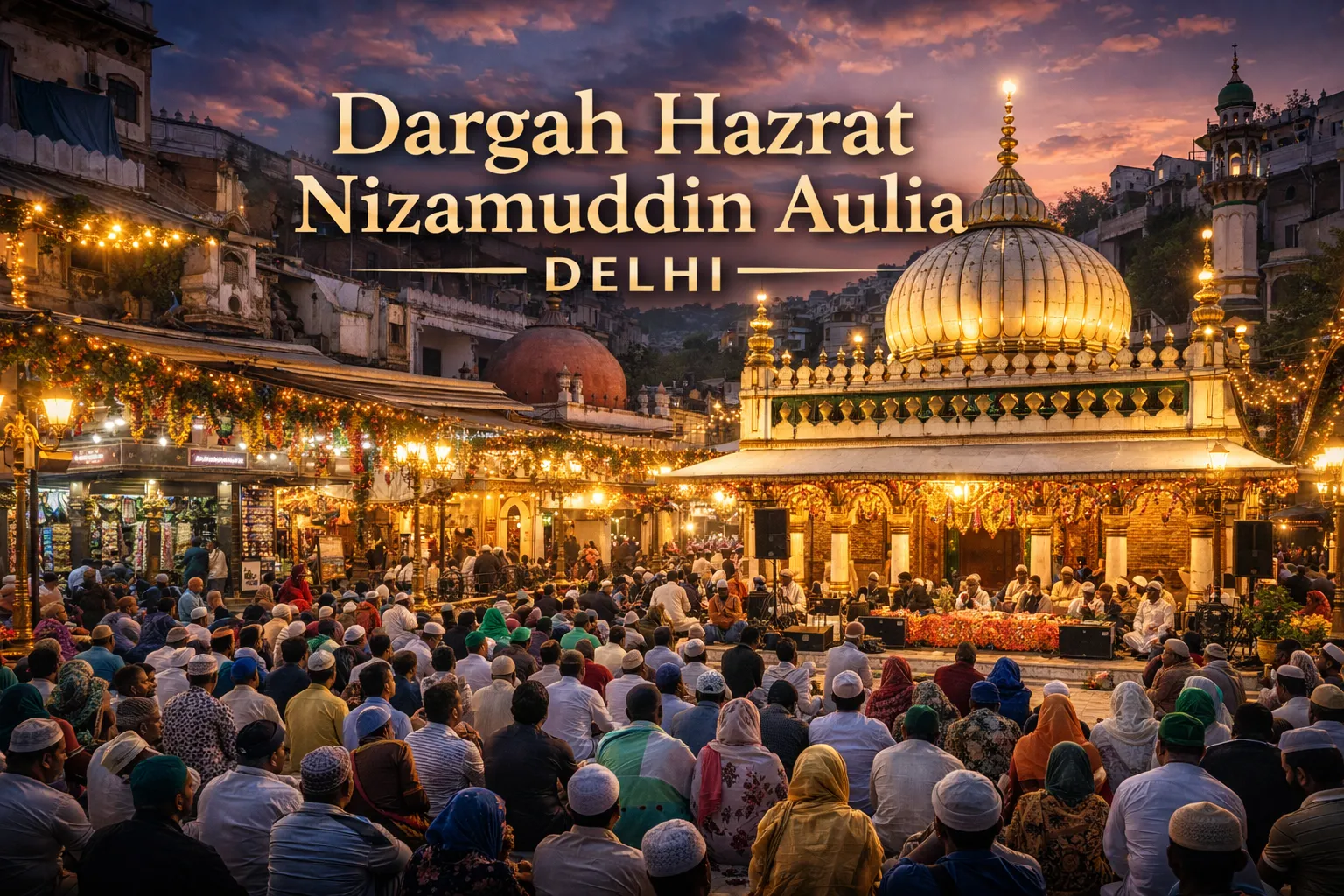
  • 🕌 Dargah Hazrat Nizamuddin Aulia Travel Guide: History, Qawwali & Visitor Tips

    🕌 Dargah Hazrat Nizamuddin Aulia Travel Guide: History, Qawwali & Visitor Tips

    A Sacred Sufi Shrine in the Heart of Delhi

    The Dargah Hazrat Nizamuddin Aulia, located in Nizamuddin West, New Delhi, is one of the most revered Sufi shrines in India. Dedicated to Hazrat Nizamuddin Aulia, a great Sufi saint of the Chishti order, the dargah attracts devotees, spiritual seekers, and travelers from all religions and backgrounds.

    Known for its soulful Qawwali, spiritual atmosphere, and message of love and humanity, this sacred place offers a deeply moving experience beyond regular sightseeing.


    📌 Table of Contents

    1. Why Visit Dargah Hazrat Nizamuddin Aulia
    2. Who Was Hazrat Nizamuddin Aulia
    3. History & Spiritual Significance
    4. Qawwali at Nizamuddin Dargah
    5. Best Time to Visit
    6. Dargah Timings
    7. How to Reach the Dargah
    8. What to Offer & How to Pray
    9. Visitor Rules, Dress Code & Etiquette
    10. Nearby Places to Explore
    11. FAQs
    12. Explore More Delhi Travel Guides

    🌟 Why Visit Dargah Hazrat Nizamuddin Aulia

    • ✔ One of India’s most important Sufi shrines
    • ✔ Famous for live Qawwali performances
    • ✔ Open to people of all faiths
    • ✔ Deeply peaceful and spiritual atmosphere
    • ✔ Rich cultural and historical significance

    It’s a place where devotion, music, and humanity come together.


    🧕 Who Was Hazrat Nizamuddin Aulia

    Hazrat Nizamuddin Aulia (1238–1325) was a renowned Sufi saint of the Chishti order, known for preaching:

    • Love over hatred
    • Humanity over religion
    • Service to the poor

    He believed in spiritual devotion rather than material wealth and influenced generations through his teachings.


    📜 History & Spiritual Significance

    The dargah marks the final resting place (mazar) of Hazrat Nizamuddin Aulia. Over centuries, it has become a center of spiritual learning and devotion.

    Notable Facts:

    • Disciple of Baba Farid
    • Teacher of famous poet Amir Khusro
    • Visited by kings, saints, and common people alike

    The shrine represents the essence of Indian Sufism—peace, tolerance, and unity.


    🎶 Qawwali at Nizamuddin Dargah

    One of the biggest attractions is the live Qawwali, a devotional musical performance praising God and saints.

    🎤 Qawwali Highlights:

    • Held every Thursday evening
    • Performed by traditional Qawwal families
    • Instruments include harmonium and tabla
    • Deeply emotional and spiritual experience

    Arrive early to find a good place to sit.


    🗓️ Best Time to Visit

    ✔ Best Days

    • Thursday evenings (for Qawwali)
    • Urs festival days (death anniversary of the saint)

    ✔ Best Months

    • October to March – pleasant weather

    ❌ Avoid

    • Peak summer afternoons
    • Overcrowded festival hours if you prefer quiet visits

    ⏰ Dargah Timings

    • Open: Daily
    • Timing:
      • Morning: Around 5:00 AM
      • Night: Till 10:30–11:00 PM

    Qawwali usually starts after evening prayers.


    🚇 How to Reach Dargah Hazrat Nizamuddin Aulia

    🚆 By Metro

    • JLN Stadium Metro Station (Violet Line)
    • Auto or rickshaw to the dargah

    🚕 By Cab

    • Ola, Uber, and local taxis available

    🚶 Nearby Area

    • Narrow lanes—walking is common near the shrine

    🌸 What to Offer & How to Pray

    Common Offerings:

    • Flowers (chadar, rose petals)
    • Incense sticks
    • Sweets (optional donation)

    How to Pray:

    • Maintain silence
    • Offer prayers respectfully
    • Sit quietly during Qawwali
    • Donations are voluntary

    Avoid aggressive vendors—offer only if you wish.


    👗 Visitor Rules, Dress Code & Etiquette

    • Dress modestly (covered shoulders and legs)
    • Head covering recommended
    • Remove footwear before entering
    • Photography is generally discouraged
    • Respect religious sentiments

    The atmosphere is sacred—behave accordingly.


    🏛️ Nearby Places to Explore

    After visiting the dargah, you can explore:

    • Humayun’s Tomb (UNESCO World Heritage Site)
    • Sunder Nursery
    • Hazrat Nizamuddin Railway Station area
    • Khan Market (short drive)

    ❓ FAQs

    Is the dargah open to non-Muslims?
    Yes, people of all religions are welcome.

    Is Qawwali held daily?
    No, mainly on Thursday evenings.

    Is there any entry fee?
    No, entry is free.

    Is photography allowed?
    Generally discouraged inside the main shrine.

    Is it safe for tourists?
    Yes, but be cautious in crowded areas.


    🌍 Explore More Delhi Travel Guides

    After your spiritual visit to Nizamuddin Dargah, continue exploring Delhi’s heritage with Humayun’s Tomb, India Gate, and Raj Ghat.

    Nature lovers will enjoy Sunder Nursery, while families can explore National Zoological Park. For global explorers, don’t miss our Ultimate Guide to Hidden Gem Destinations Around the World.

  • Rashtrapati Bhavan Travel Guide : History, Gardens, Museum & Visitor Tips ✨

    Rashtrapati Bhavan Travel Guide : History, Gardens, Museum & Visitor Tips ✨

    Explore India’s Most Iconic Presidential Residence

    Standing proudly in the heart of New Delhi, Rashtrapati Bhavan is more than just the official residence of the President of India—it is a symbol of democracy, heritage, and architectural brilliance. Rashtrapati Bhavan continues to attract travelers, history lovers, photographers, and architecture enthusiasts from around the world.

    From its grand Mughal Gardens (now Amrit Udyan) to the fascinating Rashtrapati Bhavan Museum, this guide covers everything you need to know before visiting—history, best time, tickets, how to reach, dress code, safety, and insider tips. 🏛️🌸


    📌 Table of Contents

    1. Why Visit Rashtrapati Bhavan
    2. History of Rashtrapati Bhavan
    3. Architecture & Design Highlights
    4. Rashtrapati Bhavan Gardens (Amrit Udyan)
    5. Rashtrapati Bhavan Museum
    6. Best Time to Visit
    7. How to Reach Rashtrapati Bhavan
    8. Entry Tickets & Booking Process
    9. Visitor Rules, Dress Code & Safety
    10. Suggested Half-Day Itinerary
    11. FAQs
    12. Explore More India Travel Guides

    🌟 Why Visit Rashtrapati Bhavan

    ✔ A Symbol of Indian Democracy

    It is the official residence of the President of India, representing the country’s constitutional strength.

    ✔ Stunning Architecture

    Designed by Sir Edwin Lutyens, Rashtrapati Bhavan blends:

    • Indian architectural elements
    • European classical design
    • Mughal garden planning

    ✔ Beautiful Seasonal Gardens

    The famous Amrit Udyan opens annually and attracts thousands of visitors.

    ✔ Rich Cultural Experience

    From royal halls to presidential memorabilia, every corner tells a story.


    🏛️ History of Rashtrapati Bhavan

    Originally built as the Viceroy’s House during British rule, Rashtrapati Bhavan was completed in 1929. After India gained independence in 1947, it became the residence of the President of India.

    Key historical facts:

    • Architect: Sir Edwin Lutyens
    • Construction period: 1912–1929
    • Total rooms: 340+
    • Estate size: 330 acres

    It stands at the western end of Rajpath (Kartavya Path), facing India Gate.


    🏗️ Architecture & Design Highlights

    Rashtrapati Bhavan is considered one of the largest presidential residences in the world.

    🔹 Architectural Features

    • Massive sandstone structure
    • Central dome inspired by Buddhist stupas
    • Colonnades and grand staircases
    • Intricate jaali work

    🔹 Famous Halls Inside

    • Durbar Hall – ceremonial functions
    • Ashoka Hall – once a ballroom, now used for state events

    🌸 Rashtrapati Bhavan Gardens (Amrit Udyan)

    Formerly known as Mughal Gardens, Amrit Udyan is one of the most beautiful public gardens in India.

    🌼 What You’ll See

    • Rose gardens (thousands of varieties)
    • Tulip beds
    • Bonsai garden
    • Herbal and spiritual gardens

    🗓️ Garden Opening Season

    • Usually February to March
    • Entry is free, but prior booking is required

    This is the most photographed part of Rashtrapati Bhavan. 📸


    🖼️ Rashtrapati Bhavan Museum

    The Rashtrapati Bhavan Museum offers deep insight into:

    • India’s Presidents
    • Freedom movement
    • Presidential gifts from foreign leaders

    🏛️ Museum Zones

    • Clock Tower
    • Stables (converted gallery)
    • Garages (modern exhibits)

    A must-visit for history lovers and students.


    🗓️ Best Time to Visit Rashtrapati Bhavan

    ✔ Best Months

    • October to March – pleasant weather
    • February–March – Amrit Udyan open

    ❌ Avoid

    • Peak summer (May–June)
    • Rainy days during monsoon

    🚇 How to Reach Rashtrapati Bhavan

    📍 Location

    New Delhi, India

    🚆 By Metro

    • Central Secretariat Metro Station (Yellow & Violet Line)
    • 15–20 minutes walk

    🚕 By Taxi / Cab

    Ola, Uber, and local taxis are easily available.

    🚶 By Walking

    Ideal if visiting India Gate and Kartavya Path nearby.


    🎟️ Entry Tickets & Booking Process

    ✔ Online Booking (Mandatory)

    • Official website: rashtrapatisachivalaya.gov.in
    • ID proof required

    🎫 Ticket Prices (Approx.)

    • Gardens: Free
    • Museum: ₹50–₹100 (subject to change)

    Visitors must carry the same ID used during booking.


    👗 Visitor Rules, Dress Code & Safety

    ✔ Dress Code

    • Decent, modest clothing
    • No shorts or sleeveless tops recommended

    ✔ Security Rules

    • Strict security checks
    • No food items
    • Limited photography zones
    • Mobile phones allowed (museum rules may vary)

    ✔ Safety

    Extremely safe with high-level security presence.


    🗺️ Suggested Half-Day Itinerary

    Morning (9:00 AM – 12:30 PM):

    • Entry to Rashtrapati Bhavan complex
    • Visit Rashtrapati Bhavan Museum

    Afternoon (1:00 PM – 3:00 PM):

    • Walk through Amrit Udyan (seasonal)
    • Photography and relaxation

    Evening:

    • Visit India Gate
    • Explore Kartavya Path

    ❓ FAQs

    1. Can tourists visit Rashtrapati Bhavan?

    Yes, Indian and foreign tourists can visit with prior online booking.

    2. Is photography allowed?

    Photography is allowed in designated areas only.

    3. How much time is required?

    2–4 hours is ideal.

    4. Is Rashtrapati Bhavan open all year?

    Museum is open most of the year; gardens are seasonal.

    5. Is it suitable for children?

    Yes, educational and family-friendly.


    🌍 Explore More India Travel Guides

    If you enjoyed learning about Rashtrapati Bhavan, you may also love exploring India’s cultural and historical landmarks in our Ultimate Guide to Hidden Gem Destinations Around the World.

    Travelers interested in heritage and architecture often explore our Lesser-Known Places in India Guide, while budget travelers enjoy our Ultimate Budget Hidden Gems Under $50/Day Worldwide.

    These guides help you plan meaningful, affordable, and culturally rich journeys.