Tag: Delhi heritage

  • 🛍️ Sarojini Market Travel Guide: Best Shopping Tips, Timings & Bargain Hacks ✨

    🛍️ Sarojini Market Travel Guide: Best Shopping Tips, Timings & Bargain Hacks ✨

    Delhi’s Most Famous Budget Shopping Paradise

    If shopping is on your travel bucket list, Sarojini Market in New Delhi is a place you simply cannot miss. Known across India for its export surplus fashion, trendy clothes, and unbelievably low prices, Sarojini Market is a magnet for shoppers, fashion influencers, students, and tourists.

    Sarojini Market remains one of the best street shopping destinations in India, offering stylish outfits, accessories, footwear, and ethnic wear at prices that often feel unreal. This complete guide covers what to buy, best time to visit, bargaining tips, safety advice, and how to reach—so you shop smart and stress-free. 👜👗


    📌 Table of Contents

    1. Why Visit Sarojini Market
    2. What Makes Sarojini Market Famous
    3. Best Things to Buy in Sarojini Market
    4. Best Time & Day to Visit
    5. Sarojini Market Timings
    6. How to Reach Sarojini Market
    7. Shopping & Bargaining Tips (Must-Read)
    8. Budget Guide: How Cheap Is Sarojini Market
    9. Food Options Near Sarojini Market
    10. Safety Tips for Shoppers
    11. FAQs
    12. Explore More India Travel Guides

    🌟 Why Visit Sarojini Market

    ✔ Ultimate Budget Shopping Destination

    You can buy:

    • Dresses for ₹150–300
    • Tops under ₹200
    • Footwear under ₹500

    ✔ Latest Fashion Trends

    Many items come from export surplus and rejected international brands.

    ✔ Perfect Cultural Experience

    Shopping here is chaotic, loud, colorful—and absolutely unforgettable.

    ✔ Popular on Social Media

    Sarojini Market shopping hauls are trending on Instagram and YouTube.


    🏬 What Makes Sarojini Market Famous

    Sarojini Market is famous for:

    • Export surplus clothes
    • Factory rejects from global brands
    • Street stalls with fast fashion
    • Dirt-cheap pricing

    It is especially popular among:

    • College students
    • Budget travelers
    • Fashion bloggers
    • Tourists looking for local experiences

    👗 Best Things to Buy in Sarojini Market

    🧥 Western Wear

    • Tops, crop tops, shirts
    • Jackets and coats (best in winter)
    • Dresses and skirts

    🥻 Ethnic Wear

    • Kurtis
    • Dupattas
    • Palazzos

    👟 Footwear

    • Flats
    • Sneakers
    • Sandals

    👜 Accessories

    • Bags & slings
    • Earrings
    • Sunglasses
    • Belts & scarves

    🗓️ Best Time & Day to Visit Sarojini Market

    ✔ Best Months

    • October to March (pleasant weather)

    ✔ Best Days

    • Tuesday to Friday (less crowded)
    • Avoid Sunday evenings if you dislike crowds

    ✔ Best Time of Day

    • 11:30 AM – 3:00 PM for relaxed shopping
    • Evening for street food vibes (more crowded)

    ⏰ Sarojini Market Timings

    • Opening Days: Tuesday to Sunday
    • Closed: Monday
    • Timings:
      • Shops open around 11:00 AM
      • Peak crowd after 4:00 PM

    🚇 How to Reach Sarojini Market

    🚆 By Metro (Best Option)

    • Sarojini Nagar Metro Station (Pink Line)
    • Market is a 5-minute walk from Gate No. 2

    🚕 By Cab

    • Ola, Uber, local autos available
    • Traffic can be heavy during peak hours

    🚶 By Walking

    • Easy to explore nearby markets and eateries

    💬 Shopping & Bargaining Tips (Very Important!)

    🪙 Bargaining Rules

    • Start at 30–40% of the quoted price
    • Walk away if the price feels high
    • Be polite but confident

    ✔ Pro Tips

    • Carry cash (UPI accepted at many stalls)
    • Inspect clothes for defects
    • Try clothes where possible
    • Avoid buying without checking size

    💸 Budget Guide: How Cheap Is Sarojini Market?

    ItemPrice Range
    Tops₹150–300
    Dresses₹250–500
    Jeans₹400–700
    Footwear₹300–600
    Bags₹250–500

    You can shop an entire outfit under ₹1,000 easily.


    🍔 Food Options Near Sarojini Market

    After shopping, enjoy local food nearby:

    • Momos & chaat stalls
    • Cafes in Sarojini Nagar
    • INA Market (short auto ride)

    Street food is affordable but choose clean stalls.


    🔐 Safety Tips for Shoppers

    • Watch your bags and phones
    • Avoid carrying large amounts of cash
    • Go with friends if possible
    • Keep valuables zipped
    • Stay hydrated during summer

    Sarojini Market is generally safe but crowded.


    ❓ FAQs

    1. Is Sarojini Market good for tourists?

    Yes—it’s one of Delhi’s most famous shopping markets.

    2. Are trial rooms available?

    Mostly no—wear comfortable clothes.

    3. Is Sarojini Market open on Sunday?

    Yes, but it’s extremely crowded.

    4. Can foreigners shop here easily?

    Absolutely—vendors are used to tourists.

    5. Is it safe for solo women travelers?

    Yes, during daytime with basic precautions.


    🌍 Explore More India Travel Guides

    If you enjoyed exploring Sarojini Market, continue discovering India with our Rashtrapati Bhavan Travel Guide, perfect for history and architecture lovers.

    Budget travelers can explore our Ultimate Budget Hidden Gems Under $50/Day Worldwide, while cultural explorers will love our Ultimate Guide to Hidden Gem Destinations Around the World.

    These guides help you experience India and the world in an affordable, authentic, and memorable way.
  • 🕊️ Raj Ghat Travel Guide: Gandhi Memorial, Timings, History & Visitor Tips

    🕊️ Raj Ghat Travel Guide: Gandhi Memorial, Timings, History & Visitor Tips

    Experience Peace, Simplicity & India’s Soul in New Delhi

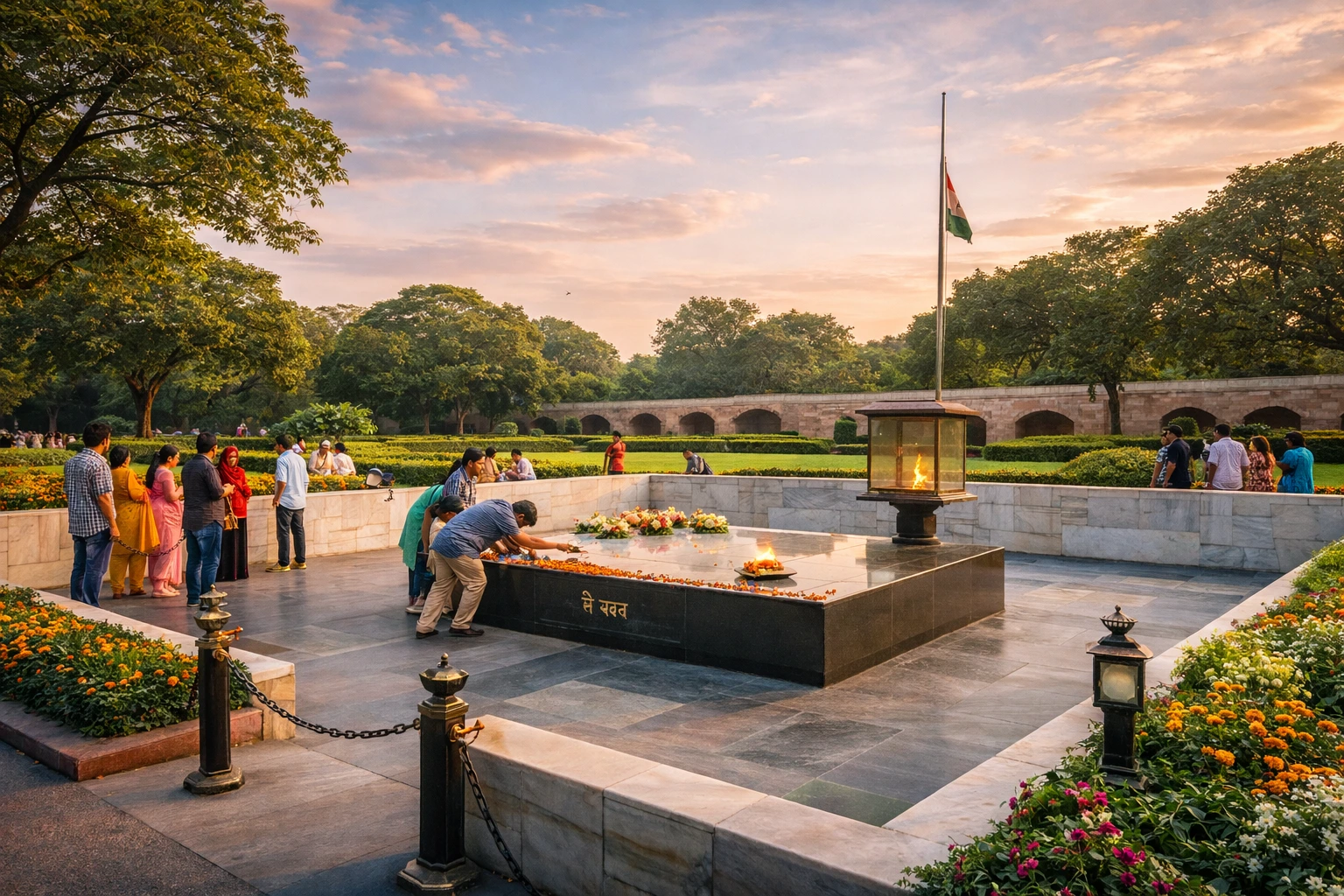
    Raj Ghat is not just a tourist attraction—it is a place of silence, reflection, and deep national emotion. Located on the banks of the Yamuna River in New Delhi, Raj Ghat marks the samadhi (memorial) of Mahatma Gandhi, the Father of the Nation.

    Raj Ghat continues to draw visitors from across India and the world who wish to understand Gandhi’s philosophy of truth, non-violence, and simplicity. This complete guide covers the history, meaning, best time to visit, timings, rules, how to reach, and nearby attractions, helping you plan a peaceful and meaningful visit. 🌿🕯️


    📌 Table of Contents

    1. Why Visit Raj Ghat
    2. History & Significance of Raj Ghat
    3. Architecture & Layout of Raj Ghat
    4. Eternal Flame & Inscriptions
    5. Best Time to Visit Raj Ghat
    6. Raj Ghat Timings
    7. How to Reach Raj Ghat
    8. Visitor Rules, Dress Code & Etiquette
    9. Suggested 1–2 Hour Visit Plan
    10. Nearby Attractions to Explore
    11. Safety & Travel Tips
    12. FAQs
    13. Explore More India Travel Guides

    🌟 Why Visit Raj Ghat

    ✔ A Place of Peace & Reflection

    Raj Ghat offers a calm escape from Delhi’s chaos.

    ✔ Tribute to Mahatma Gandhi

    It is the final resting place of the man who led India’s freedom struggle through non-violence.

    ✔ Educational & Spiritual Experience

    Ideal for students, history lovers, and international travelers.

    ✔ Free & Accessible

    Open to all, without entry fees.


    📜 History & Significance of Raj Ghat

    Raj Ghat marks the spot where Mahatma Gandhi was cremated on 31 January 1948, a day after his assassination.

    Key facts:

    • Gandhi passed away on 30 January 1948
    • Raj Ghat became a national memorial soon after
    • The site symbolizes simplicity and humility, reflecting Gandhi’s life

    World leaders visiting India often pay tribute here, highlighting its global importance.


    🏛️ Architecture & Layout of Raj Ghat

    Raj Ghat’s design is intentionally simple, aligning with Gandhian philosophy.

    🔹 Main Features

    • Black marble platform
    • Open-air structure
    • Peaceful gardens surrounding the memorial

    There are no statues—only space, silence, and respect.


    🔥 Eternal Flame & Gandhi’s Words

    At the center of Raj Ghat is an eternal flame, burning continuously in memory of Mahatma Gandhi.

    The black marble platform is inscribed with the words:

    “Hey Ram”
    (Gandhi’s last words)

    This simple inscription leaves a deep emotional impact on visitors.


    🗓️ Best Time to Visit Raj Ghat

    ✔ Best Months

    • October to March – pleasant weather

    ✔ Best Time of Day

    • Early morning (6:30–8:30 AM) – peaceful & quiet
    • Late afternoon – soft light and calm atmosphere

    ❌ Avoid

    • Hot afternoons in summer
    • Extremely crowded national holidays (unless attending ceremonies)

    ⏰ Raj Ghat Timings

    • Open All Days
    • Timing:
      • Morning: 6:30 AM
      • Evening: 6:00 PM

    Entry is free of cost for all visitors.


    🚇 How to Reach Raj Ghat

    🚆 By Metro

    • Indraprastha Metro Station (Blue Line)
    • Auto or short walk from station

    🚕 By Cab / Auto

    • Easily accessible via Ola, Uber, or local autos

    🚶 By Walking

    • Can be combined with nearby heritage walks

    👣 Visitor Rules, Dress Code & Etiquette

    ✔ Dress Code

    • Simple, modest clothing
    • Avoid flashy or revealing outfits

    ✔ Rules to Follow

    • Footwear must be removed before entering the memorial
    • Maintain silence
    • No photography on the main platform
    • No food or littering

    Respectful behavior is expected at all times.


    🗺️ Suggested 1–2 Hour Visit Plan

    Arrival:

    • Walk through landscaped gardens

    At the Memorial:

    • Pay respects
    • Spend quiet time near the eternal flame

    Exit Walk:

    • Explore surrounding memorials of other leaders
    • Relax in shaded areas

    Perfect for reflection and learning.


    🏛️ Nearby Attractions to Explore

    After Raj Ghat, you can visit:

    • National Gandhi Museum
    • Red Fort (short drive)
    • Jama Masjid
    • Shanti Van (Jawaharlal Nehru Memorial)

    Ideal for a half-day heritage itinerary.


    🔐 Safety & Travel Tips

    • Very safe with security presence
    • Carry water during summer
    • Follow instructions from guards
    • Best visited with family or school groups
    • Foreign visitors are welcome

    ❓ FAQs

    1. Is Raj Ghat open to tourists?

    Yes, it is open to everyone, including international visitors.

    2. Is there any entry fee?

    No, entry is completely free.

    3. Can children visit Raj Ghat?

    Yes, it is educational and peaceful.

    4. Is photography allowed?

    Photography is restricted near the main memorial.

    5. How much time should I spend here?

    1–2 hours is sufficient.


    🌍 Explore More India Travel Guides

    If Raj Ghat inspired you, continue exploring India’s heritage with our Rashtrapati Bhavan Travel Guide, which showcases India’s political and architectural legacy.

    Budget-conscious travelers can also explore our Ultimate Budget Hidden Gems Under $50/Day Worldwide, while culture lovers will enjoy our Ultimate Guide to Hidden Gem Destinations Around the World.

    Together, these guides help you understand India beyond sightseeing—through history, values, and lived experiences.

  • 🏰 Red Fort Travel Guide: History, Timings, Tickets & Visitor Tips

    🏰 Red Fort Travel Guide: History, Timings, Tickets & Visitor Tips

    Explore Delhi’s Iconic Mughal Fortress & UNESCO World Heritage Site

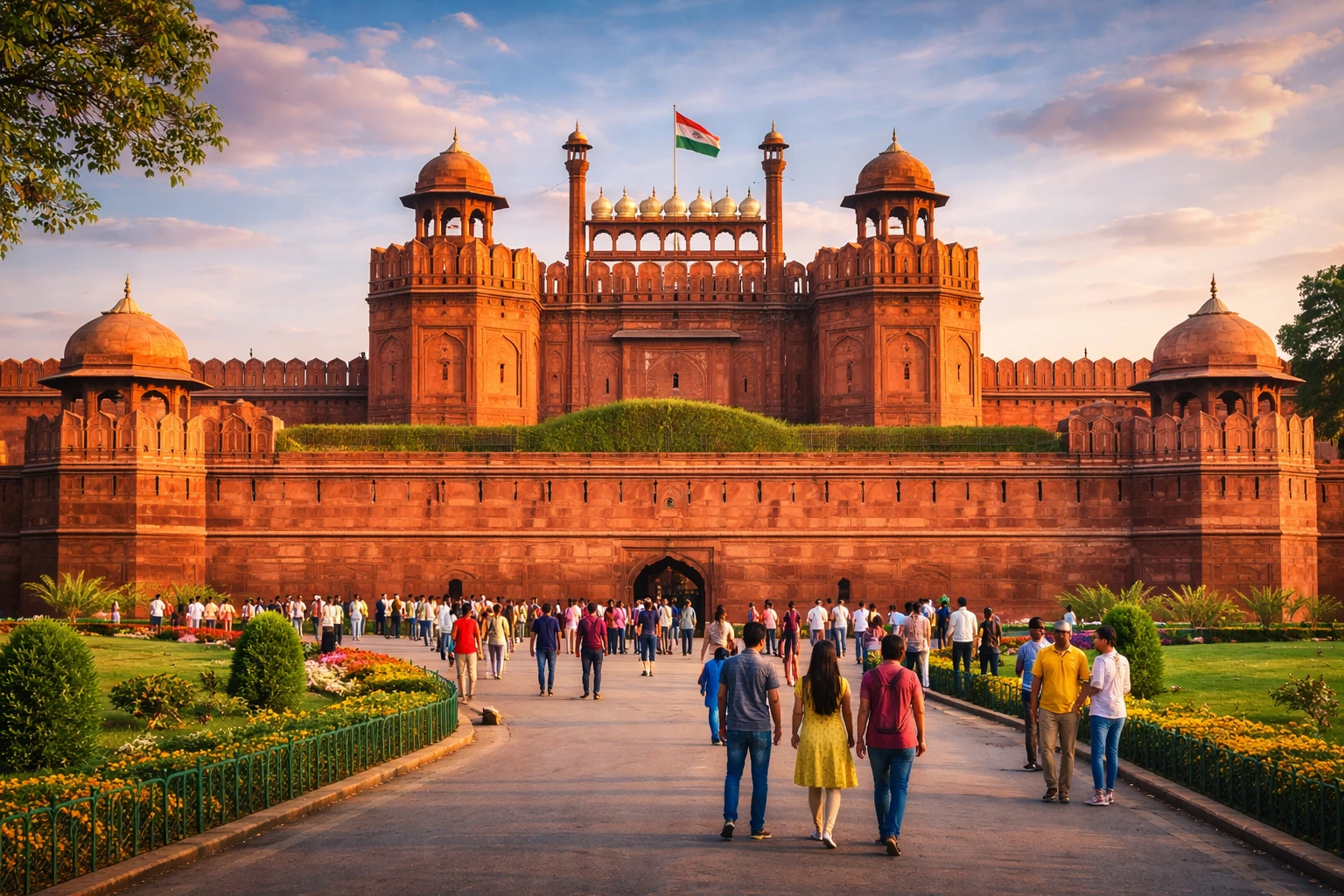
    The Red Fort (Lal Qila) is one of India’s most powerful symbols of history, independence, and architectural brilliance. Located in Old Delhi, this majestic red sandstone fort served as the main residence of Mughal emperors for nearly 200 years and continues to inspire millions of visitors every year.

    The Red Fort remains a must-visit attraction for anyone exploring Delhi. From grand halls and museums to the famous Independence Day celebrations, this guide covers everything you need to know—history, timings, ticket prices, best time to visit, how to reach, and insider tips. 🇮🇳✨


    📌 Table of Contents

    1. Why Visit Red Fort
    2. History & Significance of Red Fort
    3. Architecture & Design Highlights
    4. Major Attractions Inside Red Fort
    5. Best Time to Visit Red Fort
    6. Red Fort Timings
    7. Entry Tickets & Charges
    8. How to Reach Red Fort
    9. Light & Sound Show Experience
    10. Visitor Rules, Safety & Etiquette
    11. Suggested 2–3 Hour Visit Plan
    12. FAQs
    13. Explore More Delhi Travel Guides

    🌟 Why Visit Red Fort

    ✔ UNESCO World Heritage Site

    Recognized globally for its historical and architectural value.

    ✔ Symbol of Indian Independence

    The Prime Minister hoists the national flag here every 15 August.

    ✔ Grand Mughal Architecture

    Massive walls, intricate carvings, gardens, and royal halls.

    ✔ Perfect for History & Culture Lovers

    A deep dive into Mughal and colonial-era India.


    📜 History & Significance of Red Fort

    The Red Fort was built by Emperor Shah Jahan in 1639 when he shifted the Mughal capital from Agra to Delhi.

    Key historical facts:

    • Original name: Qila-e-Mubarak
    • Construction period: 1638–1648
    • Served as Mughal residence until 1857
    • Witnessed British rule after the Revolt of 1857

    Today, the Red Fort stands as a proud reminder of India’s rich and complex past.


    🏛️ Architecture & Design Highlights

    The Red Fort is a masterpiece of Indo-Islamic and Mughal architecture.

    🔹 Key Features

    • Built with red sandstone
    • Massive defensive walls (up to 33 meters high)
    • Marble palaces and pavilions
    • Intricate floral designs and calligraphy

    The fort complex spreads over 254 acres.


    🏰 Major Attractions Inside Red Fort

    🏛️ Lahori Gate

    The main entrance, facing Chandni Chowk.

    🏛️ Diwan-i-Aam

    Hall of Public Audience where the emperor addressed citizens.

    🏛️ Diwan-i-Khas

    Hall of Private Audience, once adorned with the famous Peacock Throne.

    🌿 Hayat Bakhsh Bagh

    Royal gardens with water channels.

    🖼️ Museums

    Exhibits on Mughal history, freedom struggle, and Indian heritage.


    🗓️ Best Time to Visit Red Fort

    ✔ Best Months

    • October to March – cool and comfortable weather

    ✔ Best Time of Day

    • Morning (9:00–11:00 AM) – fewer crowds
    • Late afternoon for photography

    ❌ Avoid

    • Peak summer afternoons
    • National holidays if you dislike crowds

    ⏰ Red Fort Timings

    • Open Days: Tuesday to Sunday
    • Closed: Monday

    🕘 Timings

    • 9:30 AM – 4:30 PM
    • Last entry: Around 3:30 PM

    Timings may change during national events.


    🎟️ Entry Tickets & Charges (Approx.)

    • Indian Citizens: ₹35
    • Foreign Tourists: ₹500
    • Children below 15 years: Free
    • Light & Sound Show: Separate ticket

    Tickets can be purchased online or at the gate.


    🚇 How to Reach Red Fort

    🚆 By Metro

    • Lal Qila Metro Station (Violet Line)
    • Exit Gate No. 4 for direct access

    🚕 By Cab / Auto

    • Easily reachable, but traffic can be heavy

    🚶 Nearby Area

    • Chandni Chowk
    • Jama Masjid

    🎥 Light & Sound Show Experience

    The Light & Sound Show narrates the history of Delhi and the Red Fort using dramatic lighting and narration.

    🎭 Show Timings

    • Evening (varies by season)

    Highly recommended for first-time visitors.


    👮 Visitor Rules, Safety & Etiquette

    • Valid ID required for entry
    • No large bags allowed
    • Photography allowed (no drones)
    • Follow security instructions
    • Respect heritage structures

    Security checks are strict but smooth.


    🗺️ Suggested 2–3 Hour Visit Plan

    Hour 1:

    • Entry via Lahori Gate
    • Diwan-i-Aam & museums

    Hour 2:

    • Diwan-i-Khas
    • Hayat Bakhsh Bagh

    Optional:

    • Evening Light & Sound Show

    ❓ FAQs

    1. Is Red Fort open every day?

    No, it is closed on Mondays.

    2. Is photography allowed inside?

    Yes, for personal use.

    3. How much time is enough?

    2–3 hours is ideal.

    4. Is Red Fort safe for families?

    Yes, it is family-friendly.

    5. Can foreigners visit Red Fort?

    Absolutely—it’s one of Delhi’s top tourist attractions.


    🌍 Explore More Delhi Travel Guides

    After exploring the Red Fort, continue your Delhi journey with our India Gate Travel Guide, Raj Ghat Travel Guide, and National Zoological Park Travel Guide—all located nearby.

    History lovers will also enjoy our Rashtrapati Bhavan Travel Guide, while budget travelers can explore our Ultimate Budget Hidden Gems Under $50/Day Worldwide.

    Together, these guides help you experience Delhi’s heritage, culture, and stories in depth.

  • India Gate Travel Guide 2026: History, Timings, Best Time & Visitor Tips ✨

    India Gate Travel Guide 2026: History, Timings, Best Time & Visitor Tips ✨

    Delhi’s Most Iconic War Memorial & Evening Hangout

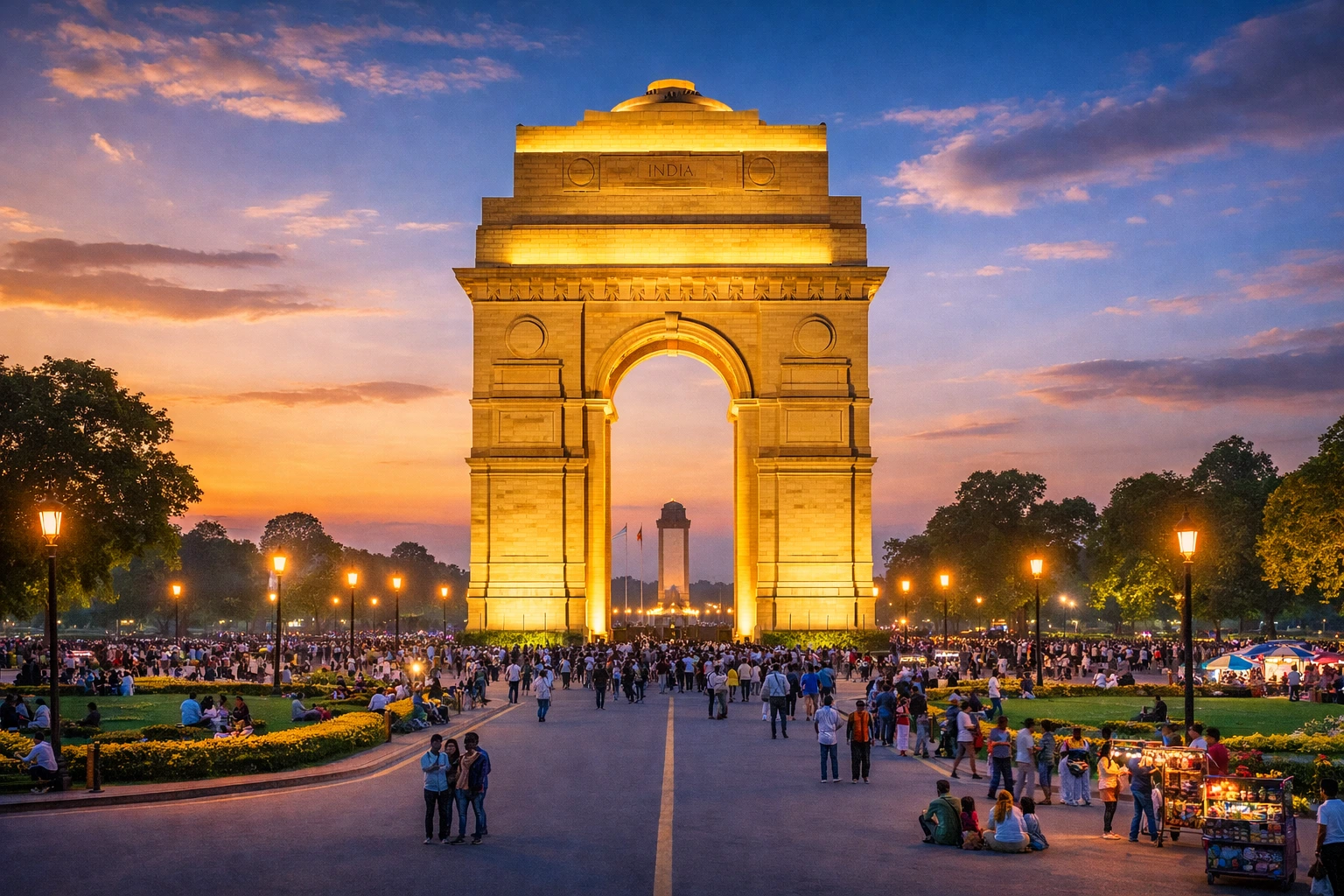
    Standing tall at the heart of New Delhi, India Gate is more than just a monument—it is a symbol of sacrifice, pride, and national memory. Built to honor Indian soldiers who lost their lives during World War I, India Gate today is also one of Delhi’s most loved public spaces for locals and tourists alike.

    In 2026, India Gate remains a must-visit destination for travelers looking to experience Indian history, patriotism, evening vibes, and open green spaces. This complete guide covers history, significance, best time to visit, timings, how to reach, safety tips, and nearby attractions to help you plan the perfect visit. 🏛️🌆


    📌 Table of Contents

    1. Why Visit India Gate in 2026
    2. History & Significance of India Gate
    3. Architecture & Design Highlights
    4. Amar Jawan Jyoti & National Importance
    5. Best Time to Visit India Gate
    6. India Gate Timings (2026)
    7. How to Reach India Gate
    8. Things to Do at India Gate
    9. Visitor Rules, Safety & Etiquette
    10. Suggested 1–2 Hour Visit Plan
    11. Nearby Attractions to Explore
    12. FAQs
    13. Explore More India Travel Guides

    🌟 Why Visit India Gate in 2026

    ✔ Symbol of Sacrifice & Patriotism

    India Gate honors over 70,000 Indian soldiers who died during World War I.

    ✔ Perfect for Evening Visits

    The monument looks stunning when illuminated after sunset.

    ✔ Family-Friendly & Free

    Open spaces, lawns, and vendors make it ideal for families.

    ✔ Central Location

    Easily accessible and close to many major attractions.


    📜 History & Significance of India Gate

    India Gate was built as a war memorial to commemorate Indian soldiers of the British Indian Army who lost their lives between 1914–1921.

    Key facts:

    • Designed by Sir Edwin Lutyens
    • Completed in 1931
    • Inspired by the Arc de Triomphe in Paris
    • Names of soldiers engraved on the walls

    India Gate stands as a reminder of courage, duty, and sacrifice.


    🏛️ Architecture & Design Highlights

    🔹 Monument Details

    • Height: 42 meters
    • Material: Sandstone and granite
    • Grand arch structure
    • Wide ceremonial boulevard surroundings

    The simplicity and symmetry of the structure give it timeless appeal.


    🔥 Amar Jawan Jyoti & National Importance

    The Amar Jawan Jyoti (Flame of the Immortal Soldier) was originally located at India Gate and symbolized India’s respect for fallen soldiers.

    In recent years, the flame has been ceremonially merged with the National War Memorial, located nearby—enhancing the area’s national importance.


    🗓️ Best Time to Visit India Gate

    ✔ Best Months

    • October to March – pleasant weather

    ✔ Best Time of Day

    • Early morning – peaceful walks
    • Evening (6:00–9:00 PM) – lively atmosphere and lighting

    ❌ Avoid

    • Hot summer afternoons
    • National event days if you dislike crowds

    ⏰ India Gate Timings (2026)

    • Open: 24 hours
    • Best visiting hours:
      • Morning: 6:00–9:00 AM
      • Evening: 6:00–10:00 PM

    No entry fee required.


    🚇 How to Reach India Gate

    🚆 By Metro

    • Central Secretariat Metro Station (Yellow & Violet Line)
    • Auto or 15–20 minute walk

    🚕 By Cab

    • Ola, Uber, and local taxis easily available

    🚶 On Foot

    • Ideal if walking from Kartavya Path or nearby monuments

    🎯 Things to Do at India Gate

    🌿 Walk & Relax

    Enjoy wide lawns and evening breezes.

    📸 Photography

    Sunset and night shots are especially popular.

    🍦 Street Snacks

    Ice cream, chaat, and local vendors nearby.

    🚲 Cycling

    Cycling paths available around Kartavya Path area.


    👮 Visitor Rules, Safety & Etiquette

    • Maintain cleanliness
    • Avoid littering
    • No climbing the monument
    • Follow police instructions
    • Photography allowed

    Area is heavily secured and safe for all visitors.


    🗺️ Suggested 1–2 Hour Visit Plan

    Arrival:

    • Walk around Kartavya Path

    At India Gate:

    • Read inscriptions
    • Relax on lawns
    • Take photographs

    After Visit:

    • Walk towards National War Memorial
    • Evening snacks nearby

    🏛️ Nearby Attractions to Explore

    You can combine India Gate with:

    • National War Memorial
    • Rashtrapati Bhavan
    • Raj Ghat
    • National Museum

    Perfect for a half-day heritage circuit.


    ❓ FAQs

    1. Is India Gate open at night?

    Yes, it is open 24 hours.

    2. Is there an entry fee?

    No, entry is free.

    3. Is India Gate safe at night?

    Yes, it is well-lit and guarded.

    4. Can families visit with kids?

    Absolutely—very family-friendly.

    5. Is photography allowed?

    Yes, photography is allowed.


    🌍 Explore More India Travel Guides

    If India Gate sparked your interest, continue exploring Delhi’s iconic landmarks with our Rashtrapati Bhavan Travel Guide 2026 and Raj Ghat Travel Guide 2026, both offering deep insights into India’s political and historical heritage.

    Budget travelers can also explore our Ultimate Budget Hidden Gems Under $50/Day Worldwide, while global explorers will enjoy our Ultimate Guide to Hidden Gem Destinations Around the World 2026.

    These guides help you experience India through history, culture, and meaningful travel.

  • 🦁 National Zoological Park Travel Guide: Timings, Tickets, Animals & Visitor Tips

    🦁 National Zoological Park Travel Guide: Timings, Tickets, Animals & Visitor Tips

    Explore Delhi Zoo – A Green Escape in the Heart of the Capital

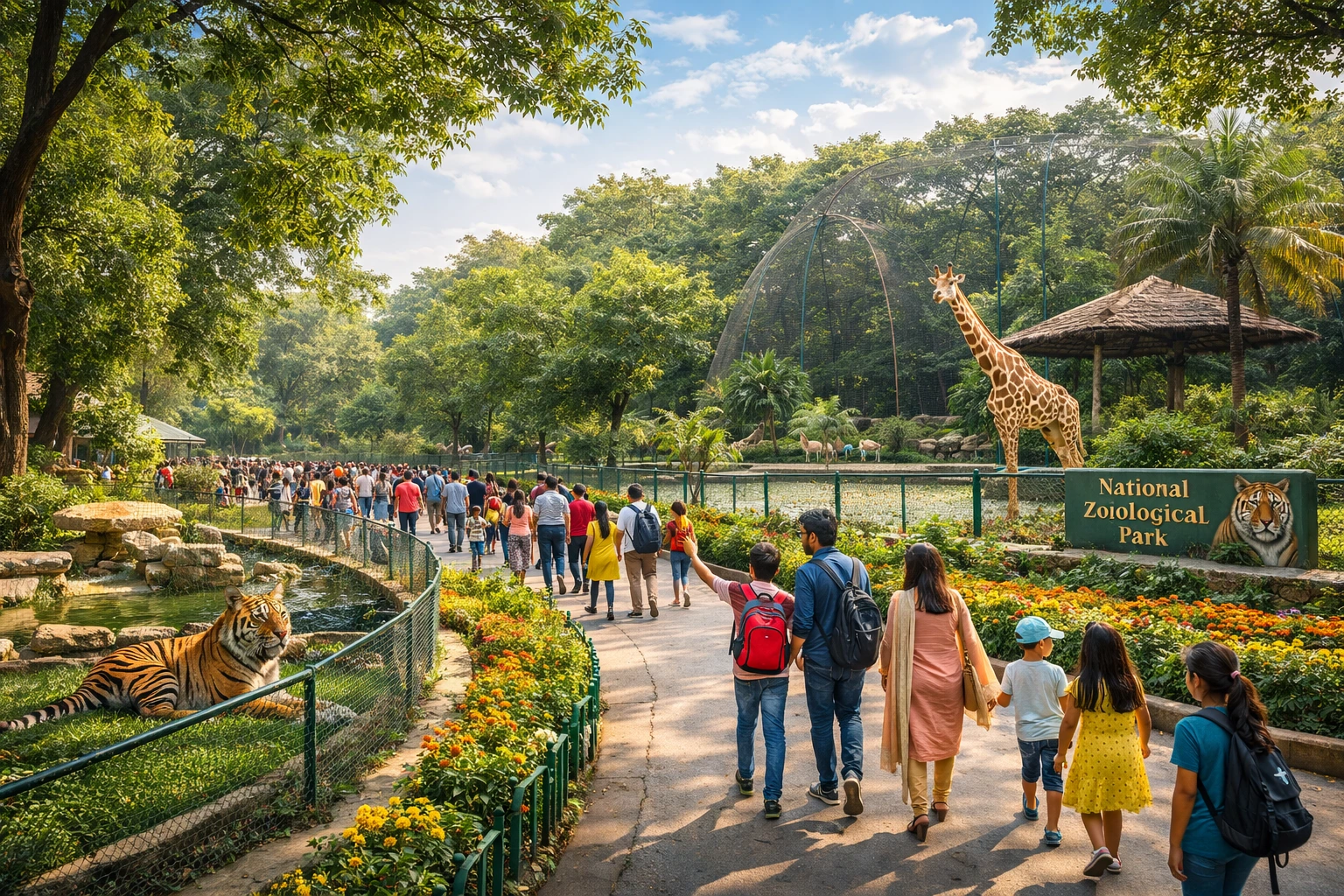
    The National Zoological Park, popularly known as Delhi Zoo, is one of India’s most well-known wildlife attractions. Spread across a vast green area near Purana Qila, the zoo offers visitors a chance to see animals from India and around the world in spacious, naturalistic habitats.

    Delhi Zoo remains a favorite destination for families, children, school groups, and tourists looking to combine education, nature, and leisure. This complete guide covers animals to see, best time to visit, ticket prices, timings, how to reach, safety rules, and insider tips to help you plan a smooth and enjoyable visit. 🌿🐘


    📌 Table of Contents

    1. Why Visit National Zoological Park
    2. About National Zoological Park (Delhi Zoo)
    3. Animals You Can See at Delhi Zoo
    4. Zoo Layout & Major Zones
    5. Best Time to Visit Delhi Zoo
    6. National Zoological Park Timings
    7. Entry Tickets & Charges
    8. How to Reach National Zoological Park
    9. Things to Do Inside the Zoo
    10. Visitor Rules, Safety & Etiquette
    11. Suggested 2–3 Hour Visit Plan
    12. FAQs
    13. Explore More Delhi Travel Guides

    🌟 Why Visit National Zoological Park

    ✔ One of India’s Largest Zoos

    Home to 1,000+ animals and birds across a massive green landscape.

    ✔ Perfect for Families & Kids

    Educational, fun, and relaxing for all age groups.

    ✔ Centrally Located

    Easy to combine with Purana Qila, India Gate, and Raj Ghat.

    ✔ Peaceful Nature Experience

    A refreshing break from Delhi’s busy streets.


    🐾 About National Zoological Park (Delhi Zoo)

    Established in 1959, the National Zoological Park was designed to provide animals with environments similar to their natural habitats.

    Key facts:

    • Area: 176 acres
    • Location: Near Purana Qila, New Delhi
    • Managed by: Ministry of Environment, Forest and Climate Change

    The zoo focuses on conservation, education, and research, not just entertainment.


    🦓 Animals You Can See at Delhi Zoo

    Delhi Zoo is home to a diverse range of wildlife.

    🐅 Mammals

    • Royal Bengal Tiger
    • Asiatic Lion
    • White Tiger
    • Leopard
    • Indian Rhinoceros
    • Hippopotamus
    • Giraffe
    • Zebra

    🐻 Other Animals

    • Sloth Bear
    • Himalayan Black Bear
    • Nilgai
    • Swamp Deer

    🦜 Birds & Reptiles

    • Peacocks
    • Parrots
    • Storks
    • Crocodiles
    • Snakes

    Animal sightings may vary depending on weather and animal activity.


    🗺️ Zoo Layout & Major Zones

    The zoo is spread out and best explored at a relaxed pace.

    🔹 Key Areas

    • Big Cats Zone
    • Herbivore Enclosures
    • Bird Section
    • Reptile House
    • Wetland Area

    You can walk or use battery-operated vehicles available inside.


    🗓️ Best Time to Visit Delhi Zoo

    ✔ Best Months

    • October to March – cool and pleasant weather

    ✔ Best Time of Day

    • 9:00 AM – 11:30 AM (animals are most active)

    ❌ Avoid

    • Summer afternoons
    • Extremely crowded weekends if possible

    ⏰ National Zoological Park Timings

    • Open Days: Tuesday to Sunday
    • Closed: Monday

    🕘 Timings

    • April to October: 9:00 AM – 4:30 PM
    • November to March: 9:30 AM – 4:00 PM

    Last entry usually allowed one hour before closing.


    🎟️ Entry Tickets & Charges (Approx.)

    • Adults: ₹80
    • Children (5–12 years): ₹40
    • Children below 5 years: Free
    • Battery Vehicle (optional): Extra charge

    Ticket prices may change—check official sources before visiting.


    🚇 How to Reach National Zoological Park

    🚆 By Metro

    • Pragati Maidan Metro Station (Blue Line)
    • Short auto or cab ride from the station

    🚕 By Cab / Auto

    • Ola, Uber, and local autos easily available

    🚶 Nearby Landmarks

    • Purana Qila
    • Supreme Court of India

    🎯 Things to Do Inside the Zoo

    • Observe animals in natural-style enclosures
    • Educational learning for kids
    • Photography (non-commercial)
    • Relax in shaded green areas
    • Use battery-operated rides to save energy

    Carry water bottles and wear comfortable shoes.


    👮 Visitor Rules, Safety & Etiquette

    • Do not feed animals
    • No plastic bags allowed
    • Maintain silence near enclosures
    • Follow zoo staff instructions
    • Photography allowed without flash
    • Do not litter

    Zoo security and staff ensure visitor safety.


    🗺️ Suggested 2–3 Hour Visit Plan

    Hour 1:

    • Big cats and herbivore section

    Hour 2:

    • Birds, reptiles, wetlands

    Optional:

    • Battery vehicle ride for full zoo loop

    Ideal for families and first-time visitors.


    ❓ FAQs

    1. Is Delhi Zoo good for kids?

    Yes, it’s one of the best kid-friendly attractions in Delhi.

    2. Is food allowed inside?

    Outside food is usually restricted; small snacks may be allowed.

    3. Is photography allowed?

    Yes, for personal use without flash.

    4. How much time is enough?

    2–3 hours is ideal.

    5. Is Delhi Zoo safe?

    Yes, it is well-maintained and secure.


    🌍 Explore More Delhi Travel Guides

    If you enjoyed visiting Delhi Zoo, continue exploring nearby attractions like India Gate Travel Guide, Raj Ghat Travel Guide, and Rashtrapati Bhavan Travel Guidefor a complete Delhi sightseeing experience.

    Budget travelers can also explore our Ultimate Budget Hidden Gems Under $50/Day Worldwide, while global explorers will love our Ultimate Guide to Hidden Gem Destinations Around the World.

    These guides help you plan meaningful, family-friendly, and affordable travel experiences.