Author: TouristicHub.com

  • 🏜️ Rajasthan Travel Guide: Best Places to Visit, Culture, Food & Itineraries

    🏜️ Rajasthan Travel Guide: Best Places to Visit, Culture, Food & Itineraries

    The Ultimate Pillar Guide to India’s Royal State

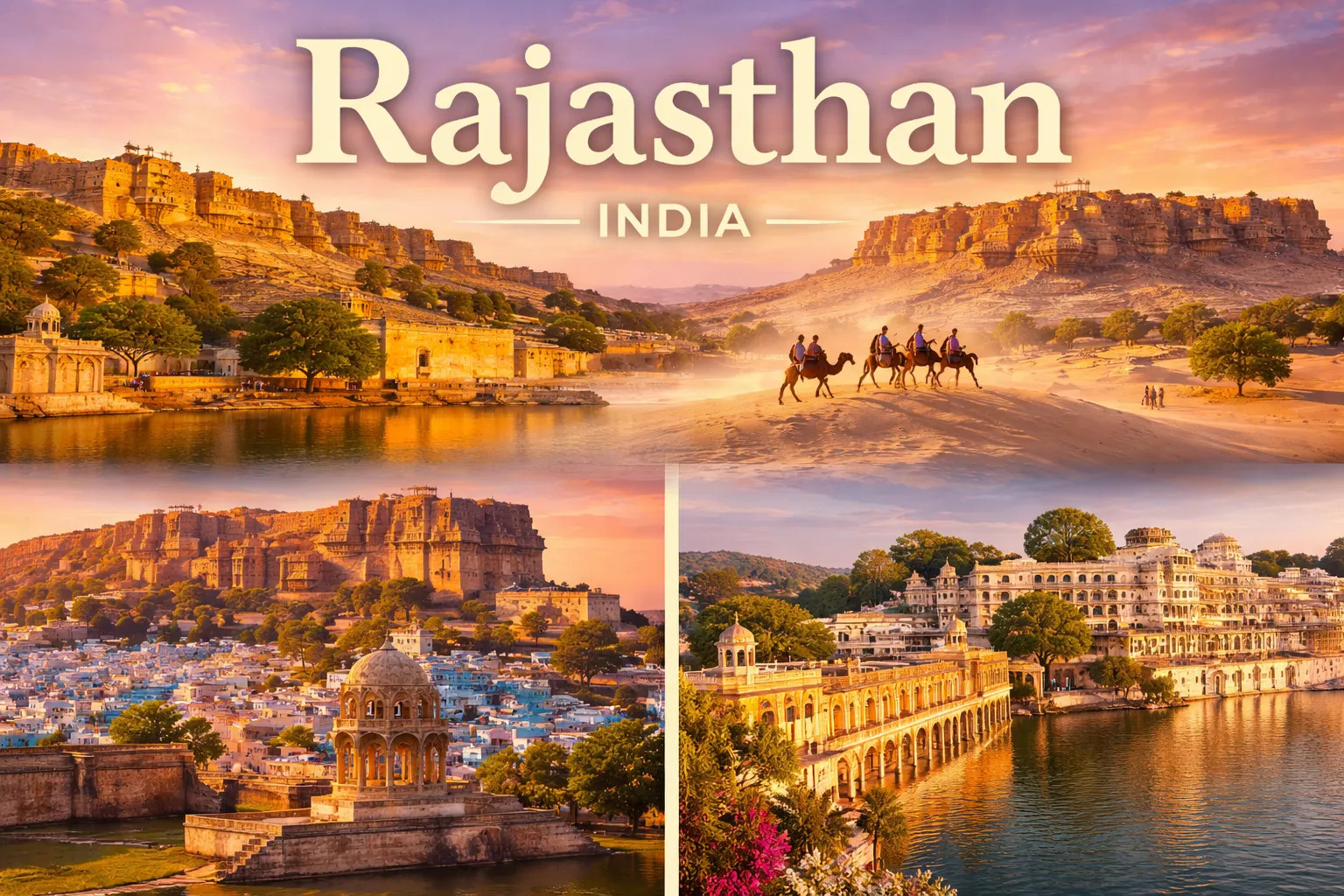
    Rajasthan is the land of royal palaces, mighty forts, golden deserts, colorful festivals, and deep-rooted traditions. From the pink streets of Jaipur to the golden dunes of Jaisalmer, the blue lanes of Jodhpur to the romantic lakes of Udaipur, Rajasthan offers one of the richest travel experiences in India.

    This Rajasthan pillar page is your complete starting point—covering top destinations, culture, food, best time to visit, itineraries, and practical travel tips, with natural pathways to explore each city in detail.


    📌 Table of Contents

    1. Why Visit Rajasthan
    2. About Rajasthan: History & Heritage
    3. Top Cities & Destinations in Rajasthan
    4. Forts, Palaces & UNESCO Sites
    5. Desert, Wildlife & Nature Experiences
    6. Culture, Festivals & Traditions
    7. Rajasthani Food: What to Eat
    8. Best Time to Visit Rajasthan
    9. How to Reach & Travel Around
    10. Where to Stay in Rajasthan
    11. Safety Tips & Travel Advice
    12. Suggested Rajasthan Itineraries
    13. Explore Rajasthan in Detail
    14. FAQs

    🌟 Why Visit Rajasthan

    • ✔ Legendary royal forts & palaces
    • ✔ Rich Rajput & Mughal history
    • ✔ Unique Thar Desert experiences 🐪
    • ✔ Vibrant culture, music & festivals
    • ✔ Colorful markets & handicrafts
    • ✔ Ideal for heritage, photography & slow travel

    Rajasthan feels like a living museum of India’s royal past.


    🏛️ About Rajasthan: History & Heritage

    Rajasthan’s history is shaped by Rajput kings, brave warriors, and grand dynasties. For centuries, kingdoms like Mewar, Marwar, Amber, and Bikaner ruled this land, leaving behind:

    • Massive hill forts
    • Lavish palaces
    • Stepwells, temples & havelis

    Despite invasions and time, Rajasthan preserved its pride, traditions, and architectural identity.


    🗺️ Top Cities & Destinations in Rajasthan

    🩷 Jaipur – The Pink City

    • Amber Fort, City Palace, Hawa Mahal
    • Best for first-time visitors

    🏜️ Jaisalmer – The Golden City

    • Living fort, sand dunes, desert safari
    • Ideal for desert & heritage lovers

    💙 Jodhpur – The Blue City

    • Mehrangarh Fort, blue houses
    • Strong Marwar culture

    💛 Udaipur – The City of Lakes

    • Romantic palaces & lakes
    • Perfect for couples & leisure travelers

    🐅 Ranthambore

    • Famous tiger reserve
    • Best wildlife destination in Rajasthan

    🕌 Bikaner, Pushkar & Ajmer

    • Temples, camel culture & spiritual sites

    Each city has its own color, mood, and story.


    🏰 Forts, Palaces & UNESCO Sites

    Rajasthan is home to world-famous forts:

    • Amber Fort – Hilltop fort near Jaipur
    • Jaisalmer Fort – Living desert fort (UNESCO)
    • Mehrangarh Fort – One of India’s largest forts
    • Chittorgarh Fort – Largest fort complex in India
    • City Palace Udaipur – Lakeside royal residence

    Many of these forts are part of UNESCO’s Hill Forts of Rajasthan.


    🏜️ Desert, Wildlife & Nature Experiences

    🐪 Thar Desert (Jaisalmer & Bikaner)

    • Camel safaris
    • Sand dunes & desert camps
    • Folk music & stargazing

    🐅 Wildlife Sanctuaries

    • Ranthambore National Park – Tigers
    • Sariska Tiger Reserve
    • Desert National Park

    🌄 Nature Spots

    • Mount Abu (hill station)
    • Keoladeo National Park (birds)

    Rajasthan offers far more than monuments.


    🎭 Culture, Festivals & Traditions

    Rajasthan’s soul lies in its culture:

    • Folk dances (Ghoomar, Kalbelia)
    • Puppet shows
    • Turbans & colorful attire
    • Traditional music & instruments

    Major Festivals:

    • Pushkar Camel Fair 🐫
    • Desert Festival (Jaisalmer)
    • Teej & Gangaur (Jaipur)
    • Mewar Festival (Udaipur)

    Festivals bring the state alive with color and rhythm.


    🍛 Rajasthani Food: What to Eat

    Must-try traditional dishes:

    • Dal Baati Churma
    • Ker Sangri
    • Gatte ki Sabzi
    • Laal Maas (non-veg)
    • Ghewar & Malpua (sweets)

    Food is hearty, flavorful, and deeply connected to desert life.


    🗓️ Best Time to Visit Rajasthan

    ✔ Best Season

    • October to March – pleasant weather

    ❌ Avoid If Possible

    • Peak summer (May–June) due to extreme heat

    Winter is ideal for sightseeing, safaris, and festivals.


    🚆 How to Reach & Travel Around Rajasthan

    ✈️ Airports

    • Jaipur, Udaipur, Jodhpur (major)

    🚆 Trains

    • Well-connected to Delhi, Mumbai, Ahmedabad

    🚗 Road Travel

    • Excellent highways between cities

    🚖 Local Transport

    • Taxis, autos, heritage walks

    Travel between cities is easy with planning.


    🏨 Where to Stay in Rajasthan

    • Heritage hotels & palaces – Royal experience
    • Boutique havelis – Culture + comfort
    • Desert camps – Jaisalmer & Bikaner
    • Budget guesthouses & hostels

    Rajasthan suits all budgets—from backpackers to luxury travelers.


    ⚠️ Safety Tips & Travel Advice

    • Dress modestly in rural areas
    • Stay hydrated
    • Respect local customs
    • Book safaris & guides officially
    • Carry cash in remote towns

    Rajasthan is generally safe and tourist-friendly.


    🗺️ Suggested Rajasthan Itineraries

    🕐 3 Days (Quick Trip)

    • Jaipur → Amber Fort → City Palace → Local markets

    🕑 5 Days

    • Jaipur → Jodhpur → Udaipur

    🕒 7 Days (Classic Rajasthan)

    • Jaipur → Jaisalmer → Jodhpur → Udaipur

    🕓 10 Days (Complete Experience)

    • Jaipur → Pushkar → Jaisalmer → Jodhpur → Udaipur → Ranthambore

    Explore Rajasthan in Detail

    Dive deeper into Rajasthan with our detailed city guides:

    • Jaisalmer Travel Guide (desert & fort)
    • Jaipur Travel Guide (Pink City heritage)
    • Jodhpur Travel Guide (Blue City forts)
    • Udaipur Travel Guide (lakes & palaces)
    • Pushkar & Ajmer Spiritual Guide

    These cluster posts help you plan step by step.


    ❓ FAQs

    Is Rajasthan good for first-time India visitors?
    Yes, it’s culturally rich and tourist-friendly.

    How many days are enough?
    5–10 days depending on coverage.

    Is Rajasthan expensive?
    No, it offers budget to luxury options.

    Is Rajasthan safe for solo travelers?
    Yes, with basic precautions.
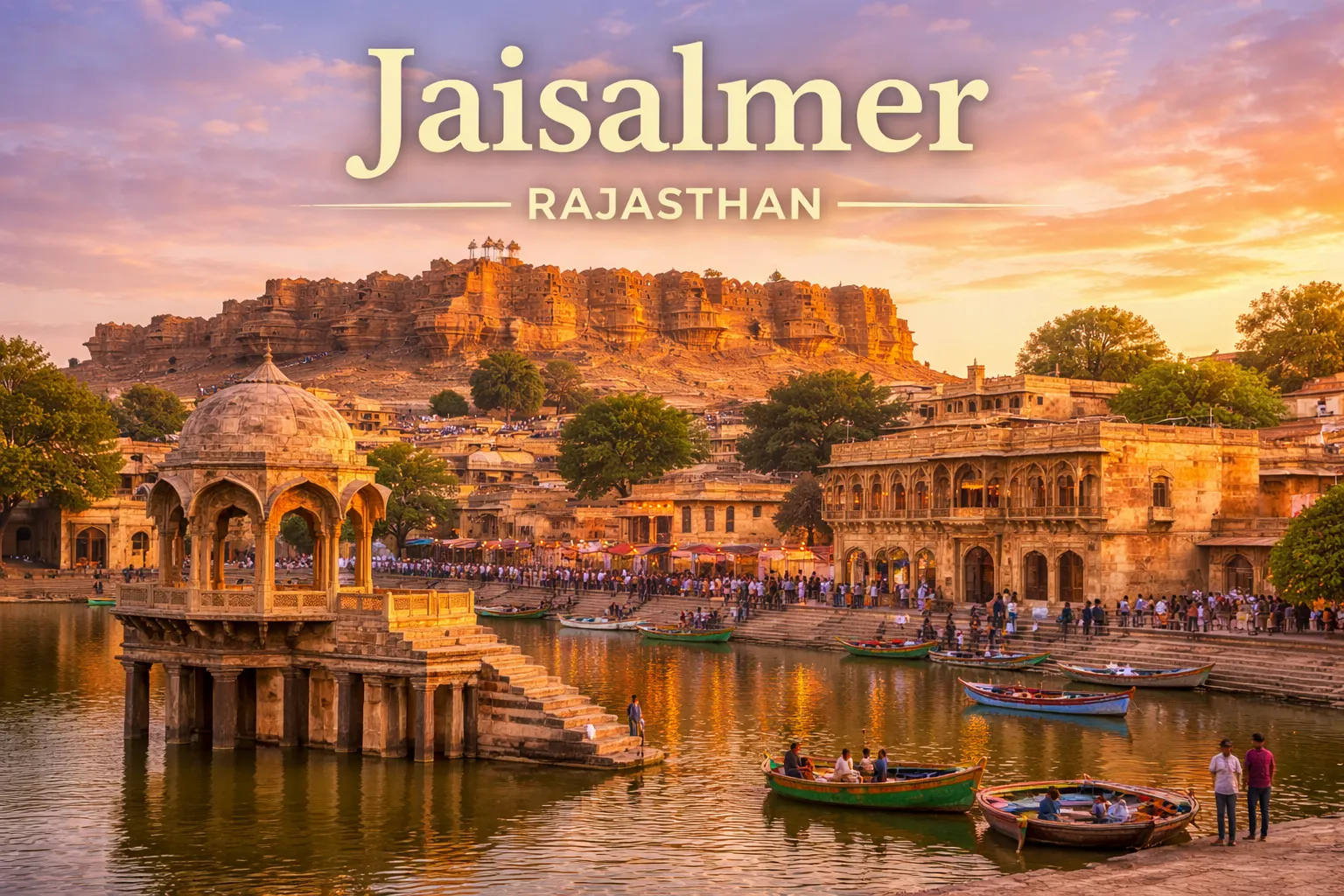
  • 🏜️ Jaisalmer Travel Guide: Places to Visit, Desert Safari & Local Tips

    🏜️ Jaisalmer Travel Guide: Places to Visit, Desert Safari & Local Tips

    The Golden City of Rajasthan

    Jaisalmer, famously known as the Golden City, rises like a mirage from the Thar Desert. With its honey-gold sandstone fort, intricately carved havelis, vast sand dunes, and rich Rajput history, Jaisalmer is one of India’s most unforgettable travel destinations.

    This complete Jaisalmer travel guide is crafted for heritage lovers, desert explorers, photographers, couples, and first-time Rajasthan visitors, helping you plan a memorable and smooth trip.


    📌 Table of Contents

    1. Why Visit Jaisalmer
    2. About Jaisalmer – The Golden City
    3. Top Places to Visit in Jaisalmer
    4. Jaisalmer Fort: A Living Heritage
    5. Desert Safari & Sand Dunes Experience
    6. Best Time to Visit Jaisalmer
    7. How to Reach Jaisalmer
    8. Where to Stay in Jaisalmer
    9. Local Food & What to Eat
    10. Shopping in Jaisalmer
    11. Safety Tips & Travel Advice
    12. Suggested Jaisalmer Itinerary
    13. Explore More Rajasthan Travel Guides
    14. FAQs

    🌟 Why Visit Jaisalmer

    • ✔ Iconic Jaisalmer Fort, a UNESCO World Heritage Site
    • ✔ Authentic Thar Desert safari experience 🐪
    • ✔ Stunning yellow sandstone architecture
    • ✔ Peaceful lakes, temples, and historic havelis
    • ✔ Ideal for culture, photography & slow travel

    Jaisalmer feels timeless, romantic, and deeply rooted in desert culture.


    🏛️ About Jaisalmer – The Golden City

    Founded in 1156 AD by Rawal Jaisal, Jaisalmer was once a major trading hub on the ancient Silk Route. The entire city is built from yellow sandstone, which glows golden under the sun—earning it the nickname “Golden City of India.”

    Despite its remote desert location, Jaisalmer thrives on tourism, culture, and heritage preservation.


    🏰 Top Places to Visit in Jaisalmer

    🏯 Jaisalmer Fort (Sonar Quila)

    One of the world’s few living forts, with homes, shops, temples, and hotels inside.

    🏠 Patwon Ki Haveli

    A group of five grand havelis known for detailed stone carvings.

    🏠 Salim Singh Ki Haveli

    Famous for its peacock-shaped roof and curved balconies.

    🌊 Gadisar Lake

    A peaceful man-made lake ideal for sunrise and sunset views.

    🛕 Jain Temples

    Beautifully carved temples inside the fort, dating back centuries.


    🏯 Jaisalmer Fort: A Living Heritage

    Unlike most forts, Jaisalmer Fort is still inhabited.

    Highlights:

    • Narrow golden lanes
    • Rajput & Jain architecture
    • Panoramic views of the desert
    • Ancient temples & museums

    Walking through the fort feels like stepping back in time.


    🐪 Desert Safari & Sand Dunes Experience

    No Jaisalmer trip is complete without the desert.

    🌵 Sam Sand Dunes

    • Most popular desert spot
    • Camel safari & jeep safari
    • Sunset views 🌅
    • Cultural folk dance & music

    🌵 Khuri Sand Dunes

    • Less crowded & more peaceful
    • Ideal for travelers seeking authenticity

    Desert Camp Experience:

    • Traditional Rajasthani dinner
    • Folk performances
    • Stargazing in the desert ✨

    🗓️ Best Time to Visit Jaisalmer

    ✔ Best Months

    • October to March – pleasant desert weather

    ❌ Avoid

    • Peak summer (April–June) due to extreme heat

    🌸 Special Events

    • Desert Festival (February) – cultural celebrations, camel races, music

    🚆 How to Reach Jaisalmer

    ✈️ By Air

    • Jaisalmer Airport (limited flights)
    • Nearest major airport: Jodhpur

    🚆 By Train

    • Direct trains from Delhi, Jodhpur, Jaipur

    🚗 By Road

    • Well connected by highways from Jodhpur & Bikaner

    🏨 Where to Stay in Jaisalmer

    🏰 Heritage Hotels

    • Fort-view havelis & palace-style stays

    🏜️ Desert Camps

    • Luxury & budget desert tents

    💰 Budget Options

    • Guesthouses & hostels near the fort

    Choose based on comfort and experience preference.


    🍛 Local Food & What to Eat

    Must-Try Dishes:

    • Dal Baati Churma
    • Ker Sangri
    • Gatte ki Sabzi
    • Laal Maas (non-veg)
    • Makhania Lassi

    Most cafés inside the fort offer rooftop dining with views.


    🛍️ Shopping in Jaisalmer

    Buy authentic Rajasthani items:

    • Camel leather products
    • Hand-embroidered textiles
    • Silver jewelry
    • Puppets & handicrafts

    Best areas: Fort market & local bazaars


    ⚠️ Safety Tips & Travel Advice

    • Stay hydrated in desert climate
    • Avoid isolated dunes at night
    • Respect local culture & dress modestly
    • Book safaris from trusted operators
    • Carry cash (limited ATMs in remote areas)

    Jaisalmer is generally safe for tourists.


    🗺️ Suggested Jaisalmer Itinerary

    🕐 Day 1

    • Jaisalmer Fort
    • Jain Temples
    • Patwon Ki Haveli
    • Sunset at Gadisar Lake

    🕑 Day 2

    • Desert safari at Sam / Khuri
    • Camel ride & cultural evening

    🕒 Day 3 (Optional)

    • Salim Singh Ki Haveli
    • Local markets & cafés

    🌍 Explore More Rajasthan Travel Guides

    After Jaisalmer, continue exploring Rajasthan with Jaipur, Jodhpur, Udaipur, and Bikaner.

    You can also explore our Ultimate Budget Hidden Gems and India travel pillar guides to plan longer trips across the country.


    ❓ FAQs

    Is Jaisalmer worth visiting?
    Yes, it’s one of India’s most unique desert cities.

    How many days are enough?
    2–3 days is ideal.

    Is desert safari safe?
    Yes, when booked with licensed operators.

    Is Jaisalmer expensive?
    No, it suits budget to luxury travelers.

  • 🛍️ Dilli Haat INA Travel Guide: Timings, Entry Fee, Food & Shopping Tips

    🛍️ Dilli Haat INA Travel Guide: Timings, Entry Fee, Food & Shopping Tips

    India’s Open-Air Cultural Bazaar in the Heart of Delhi

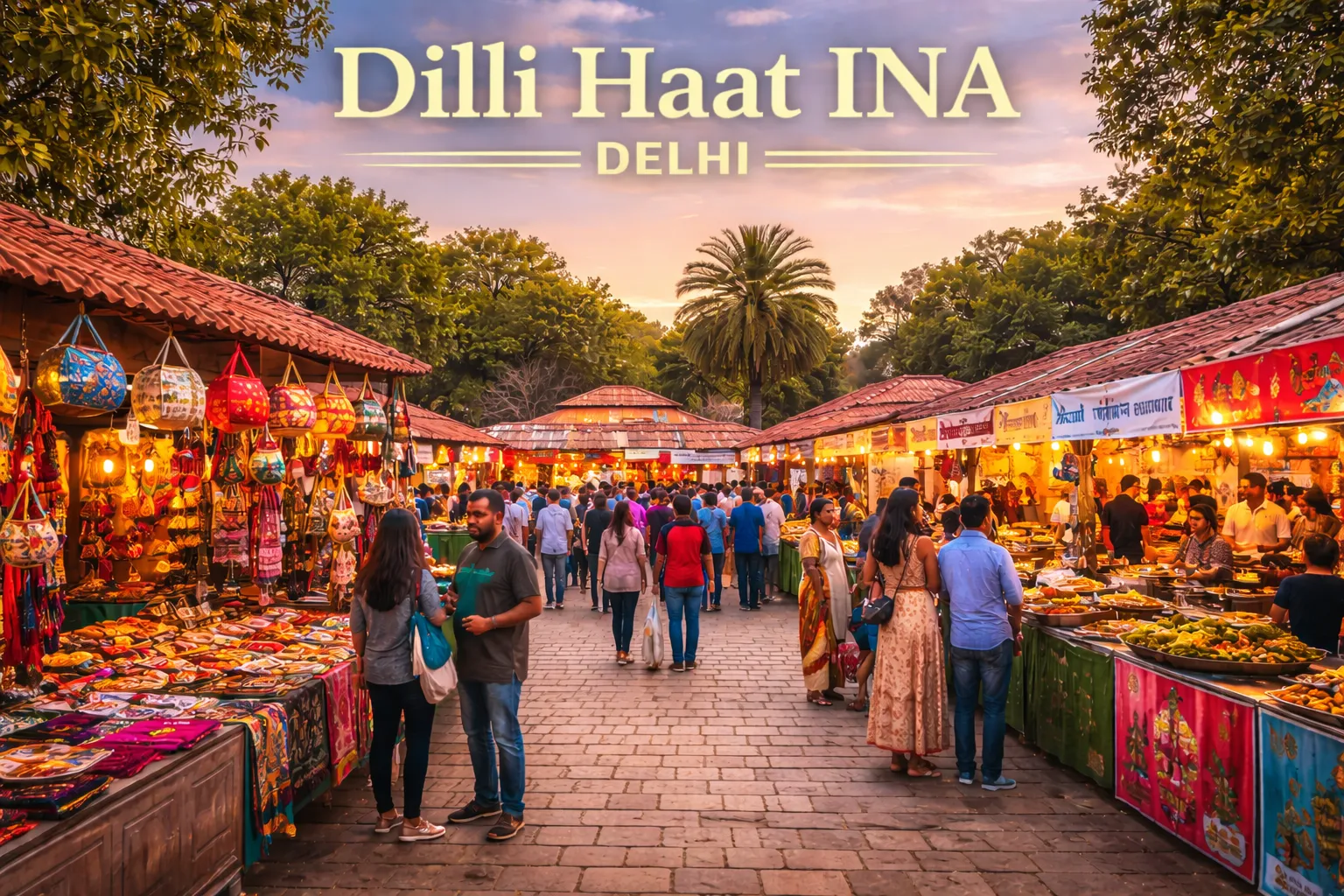
    Dilli Haat INA is one of Delhi’s most popular cultural markets, bringing together India’s handicrafts, traditional art, and regional cuisines in one vibrant open-air space. Located near INA Market in South Delhi, Dilli Haat offers visitors an authentic experience of India’s diversity without leaving the city.

    Unlike regular markets, Dilli Haat feels like a living exhibition of Indian culture, making it a must-visit for tourists, families, and anyone interested in traditional crafts and food.


    📌 Table of Contents

    1. Why Visit Dilli Haat INA
    2. About Dilli Haat INA
    3. History & Cultural Significance
    4. Shopping at Dilli Haat INA
    5. Food Stalls & Regional Cuisine
    6. Cultural Programs & Events
    7. Best Time to Visit
    8. Dilli Haat INA Timings
    9. Entry Fee & Ticket Details
    10. How to Reach Dilli Haat INA
    11. Shopping & Visitor Tips
    12. FAQs
    13. Explore More Delhi Travel Guides

    🌟 Why Visit Dilli Haat INA

    • ✔ Authentic handicrafts from all Indian states
    • ✔ Delicious regional Indian food 🍲
    • ✔ Open-air, family-friendly atmosphere
    • ✔ Cultural performances and festivals
    • ✔ Perfect for souvenirs & gifts

    It’s one of the best places to experience India in one evening.


    🏛️ About Dilli Haat INA

    Dilli Haat INA was developed by Delhi Tourism to promote traditional crafts and cuisines.

    Key Facts:

    • Location: INA, South Delhi
    • Type: Open-air craft & food market
    • Managed by: Delhi Tourism
    • Entry Fee: Nominal

    Stalls rotate periodically, offering variety throughout the year.


    📜 History & Cultural Significance

    • Established in 1994
    • Created to support rural artisans
    • Provides direct platform for craftsmen without middlemen

    Dilli Haat plays a vital role in preserving India’s traditional art forms.


    🧵 Shopping at Dilli Haat INA

    What You Can Buy:

    • Handloom textiles & shawls
    • Wooden, metal & stone handicrafts
    • Tribal jewelry & accessories
    • Pottery, paintings & home décor

    Shopping Tips:

    • Prices are fixed but polite bargaining may work
    • Products are usually authentic and handmade

    Perfect place to buy unique souvenirs.


    🍽️ Food Stalls & Regional Cuisine

    Dilli Haat’s food section is a highlight.

    Must-Try Dishes:

    • Litti Chokha (Bihar)
    • Momos & Thukpa (North-East)
    • Chole Bhature (Delhi/Punjab)
    • Dosas & Idli (South India)
    • Kebabs & biryani

    Vegetarian and non-vegetarian options available.


    🎭 Cultural Programs & Events

    • Folk dances and music shows
    • Seasonal festivals (craft & food fairs)
    • Special state-themed weeks

    These events add color and entertainment to the visit.


    🗓️ Best Time to Visit Dilli Haat INA

    ✔ Best Months

    • October to March – pleasant weather

    ✔ Best Time of Day

    • Evening (4:00 PM onwards)

    ❌ Avoid

    • Hot summer afternoons
    • Peak weekends if you prefer quieter visits

    ⏰ Dilli Haat INA Timings

    • Open: Daily
    • Timings:
      • 10:30 AM – 10:00 PM

    Food stalls usually get busy in the evening.


    🎟️ Entry Fee & Ticket Details

    • Indian Adults: ₹30 (approx.)
    • Children: ₹20 (approx.)
    • Foreign Tourists: ₹100 (approx.)

    Entry fees are subject to change.


    🚇 How to Reach Dilli Haat INA

    🚆 By Metro (Best Option)

    • INA Metro Station (Yellow & Pink Line)
    • 5-minute walk from Gate No. 3

    🚕 By Cab / Auto

    • Easily accessible from South & Central Delhi

    🛍️ Shopping & Visitor Tips

    • Carry cash + UPI
    • Visit on weekdays for less crowd
    • Wear comfortable footwear
    • Keep receipts for valuable items
    • Watch your belongings during peak hours

    ❓ FAQs

    Is Dilli Haat worth visiting?
    Yes, especially for handicrafts and food lovers.

    Is bargaining allowed?
    Limited bargaining is possible.

    Is it suitable for families?
    Yes, very family-friendly.

    How much time is enough?
    2–3 hours is ideal.

    Is photography allowed?
    Yes, photography is allowed.


    🌍 Explore More Delhi Travel Guides

    After Dilli Haat INA, you can explore Lodhi Garden, India Gate, and National Museum nearby.

    For spiritual visits, explore Gurdwara Bangla Sahib, Lotus Temple, and Kalka Ji Mandir. Families may enjoy National Zoological Park and Nehru Planetarium.

  • 🏙️ Delhi Travel Guide: Best Places to Visit, Things to Do & Local Tips

    🏙️ Delhi Travel Guide: Best Places to Visit, Things to Do & Local Tips

    The Ultimate Guide to Exploring India’s Capital City

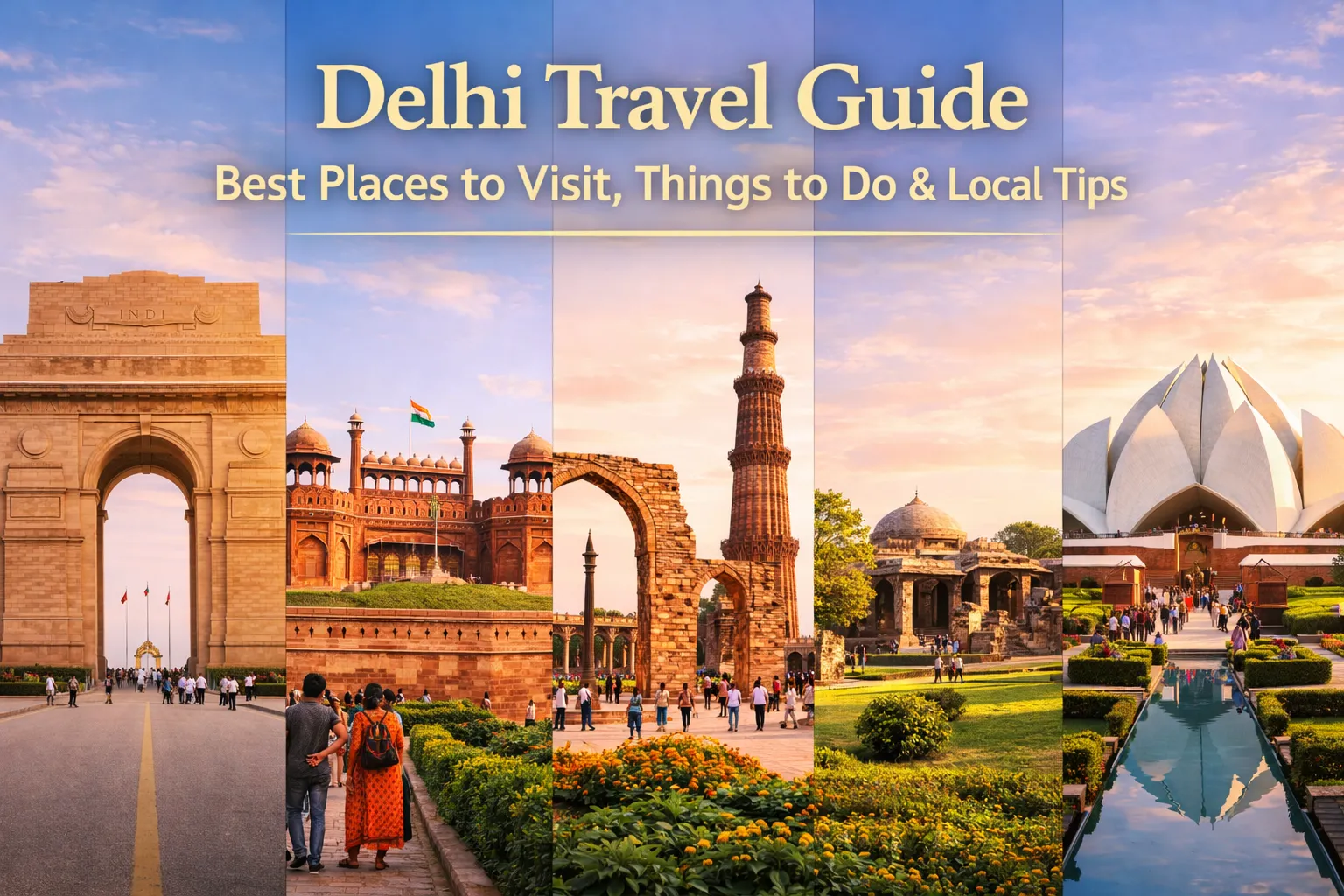
    Delhi is a city where ancient history meets modern life. From Mughal-era monuments and spiritual landmarks to bustling markets, food streets, museums, and green gardens, Delhi offers something for every traveler.

    This pillar guide to Delhi is designed to help tourists, families, solo travelers, and first-time visitors explore the city with ease. You’ll find heritage attractions, spiritual places, markets, parks, museums, food hubs, and practical travel tips—all in one place.


    📌 Table of Contents

    1. Why Visit Delhi
    2. About Delhi: A City of Layers
    3. Top Historical & Heritage Places
    4. Spiritual & Religious Places
    5. Markets, Food & Cultural Hubs
    6. Gardens, Parks & Open Spaces
    7. Museums & Educational Attractions
    8. Best Time to Visit Delhi
    9. How to Get Around Delhi
    10. Where to Stay in Delhi
    11. Safety, Etiquette & Travel Tips
    12. Suggested Delhi Itineraries
    13. Explore Delhi in Detail
    14. FAQs

    🌟 Why Visit Delhi

    • ✔ Capital of India with 2,000+ years of history
    • ✔ UNESCO World Heritage Sites
    • ✔ Street food capital of North India 🍽️
    • ✔ Spiritual places for all religions
    • ✔ Excellent metro connectivity
    • ✔ Ideal for culture, history & budget travel

    Delhi is not just a destination—it’s an experience of India in one city.


    🏛️ About Delhi: A City of Layers

    Delhi has been ruled by Rajputs, Sultans, Mughals, and the British, each leaving behind monuments and stories. Today, the city blends:

    • Old Delhi’s historic lanes
    • New Delhi’s planned avenues
    • South Delhi’s cafés and heritage parks
    • Modern metro-driven urban life

    This contrast makes Delhi endlessly fascinating.


    🏰 Top Historical & Heritage Places in Delhi

    Delhi is home to some of India’s most iconic monuments:

    • Red Fort – Mughal power center and Independence Day symbol
    • Qutub Minar – Tallest brick minaret in the world (UNESCO)
    • Humayun’s Tomb – India’s first Mughal garden tomb (UNESCO)
    • India Gate – War memorial and evening hangout
    • Raj Ghat – Memorial of Mahatma Gandhi

    These landmarks showcase Delhi’s architectural brilliance across centuries.


    🕌 Spiritual & Religious Places in Delhi

    Delhi welcomes all faiths and beliefs with open arms:

    These places reflect Delhi’s spiritual diversity and harmony.


    🛍️ Markets, Food & Cultural Hubs

    Delhi is a paradise for shoppers and food lovers:

    🛒 Popular Markets

    🍴 Food Experiences

    • Street food in Old Delhi
    • Parathas, chaat, kebabs & sweets
    • Modern cafés and global cuisine in South Delhi

    🌿 Gardens, Parks & Open Spaces

    Escape the chaos in Delhi’s green zones:

    Perfect for walks, photography, and relaxation.


    🏛️ Museums & Educational Attractions

    Delhi is also a learning destination:

    • National Museum – 5,000 years of Indian history
    • National Rail Museum – Trains & heritage coaches
    • National Science Centre – Interactive science exhibits
    • Nehru Planetarium – Space & astronomy shows

    Ideal for students, families, and curious travelers.


    🗓️ Best Time to Visit Delhi

    ✔ Best Months

    • October to March – Pleasant weather

    ❌ Avoid If Possible

    • Peak summer afternoons (May–June)
    • Extreme cold mornings in January

    Festivals like Diwali, Eid, and Republic Day add cultural charm.


    🚇 How to Get Around Delhi

    • Delhi Metro – Fast, clean, affordable 🚇
    • Auto-rickshaws & e-rickshaws
    • Cabs (Ola / Uber)
    • Walking for Old Delhi lanes

    Metro is the best option for tourists.


    🏨 Where to Stay in Delhi

    • Central Delhi / Connaught Place – First-time visitors
    • South Delhi – Cafés, parks & metro access
    • Paharganj – Budget travelers
    • Aerocity – Luxury & airport proximity

    Choose based on budget and sightseeing plans.


    ⚠️ Safety, Etiquette & Travel Tips

    • Dress modestly at religious places
    • Use metro during peak traffic hours
    • Keep belongings safe in crowded markets
    • Respect local customs & monuments
    • Stay hydrated in summer

    Delhi is generally safe with basic awareness.


    🗺️ Suggested Delhi Itineraries

    🕐 1 Day in Delhi

    • India Gate → Rashtrapati Bhavan → Lodhi Garden → Connaught Place

    🕑 2 Days in Delhi

    • Day 1: Red Fort, Jama Masjid, Chandni Chowk
    • Day 2: Qutub Minar, Humayun’s Tomb, Lotus Temple

    🕒 3 Days in Delhi

    • Add Akshardham, Dilli Haat, museums & parks

    🔗 Explore Delhi in Detail (Internal Links)

    Explore Delhi deeper through our detailed guides:

    • Heritage monuments: Red Fort, Qutub Minar, Humayun’s Tomb
    • Spiritual places: Akshardham, Lotus Temple, Bangla Sahib
    • Markets & food: Chandni Chowk, Dilli Haat INA, Hauz Khas
    • Nature & parks: Lodhi Garden, Sunder Nursery
    • Museums & learning: National Museum, Rail Museum, Science Centre

    These cluster posts help you plan Delhi step by step.


    ❓ FAQs

    Is Delhi good for first-time travelers?
    Yes, with metro connectivity and diverse attractions.

    How many days are enough for Delhi?
    2–4 days is ideal.

    Is Delhi expensive?
    No, Delhi suits budget to luxury travelers.

    Is Delhi safe for solo travelers?
    Yes, with normal precautions.

  • 🗼 Qutub Minar Travel Guide: History, Timings, Tickets & Visitor Tips

    🗼 Qutub Minar Travel Guide: History, Timings, Tickets & Visitor Tips

    India’s Tallest Brick Minaret & a UNESCO World Heritage Site

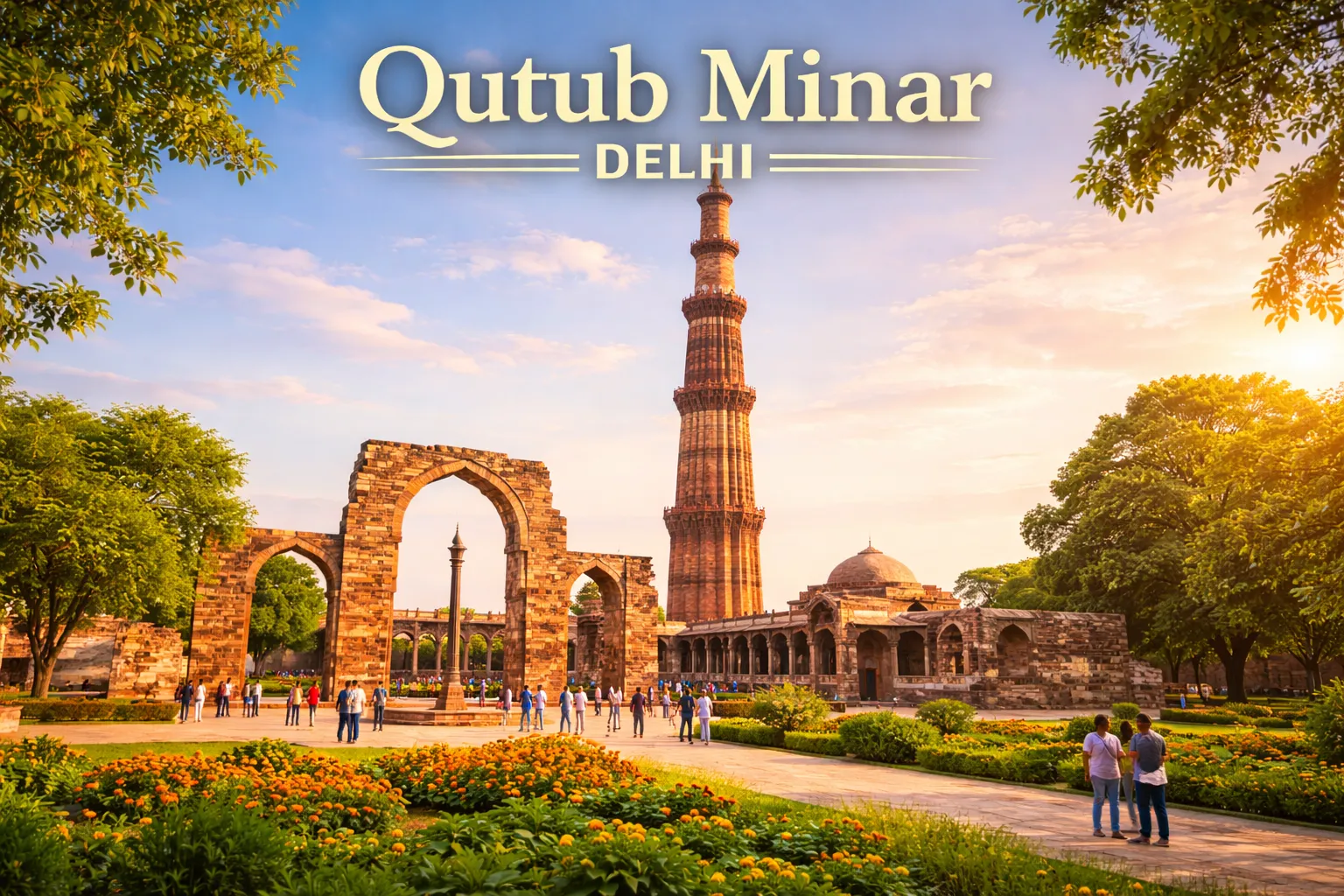
    Qutub Minar, located in Mehrauli, South Delhi, is one of India’s most iconic historical monuments and a shining example of Indo-Islamic architecture. Rising to a height of 73 meters, this majestic minaret has stood for over 800 years and continues to fascinate visitors from around the world.

    Part of the Qutub Complex, the monument is surrounded by ancient mosques, tombs, and inscriptions, making it one of the most important heritage sites in Delhi.


    📌 Table of Contents

    1. Why Visit Qutub Minar
    2. About Qutub Minar
    3. History & Cultural Significance
    4. Architecture & Design Highlights
    5. Monuments Inside the Qutub Complex
    6. Best Time to Visit
    7. Qutub Minar Timings
    8. Entry Tickets & Charges
    9. How to Reach Qutub Minar
    10. Visitor Tips & Rules
    11. Suggested Visit Plan
    12. FAQs
    13. Explore More Delhi Travel Guides

    🌟 Why Visit Qutub Minar

    • UNESCO World Heritage Site
    • ✔ Tallest brick minaret in the world
    • ✔ Rich Islamic & Indian architectural details
    • ✔ Beautiful gardens and ruins
    • ✔ Perfect for photography & learning 📸

    Qutub Minar is a must-visit to understand Delhi’s early medieval history.


    🏛️ About Qutub Minar

    Qutub Minar is part of a larger historical complex built during the Delhi Sultanate period.

    Key Facts:

    • Location: Mehrauli, South Delhi
    • Height: ~73 meters
    • Construction started: 1193
    • Built by: Qutb-ud-din Aibak
    • Completed by: Iltutmish

    The monument is made of red sandstone and marble.


    📜 History & Cultural Significance

    • Construction began after the establishment of Muslim rule in Delhi
    • Built to celebrate victory and mark the beginning of a new era
    • Renovated and repaired by later rulers after lightning damage

    The minaret has survived earthquakes and centuries of change, standing as a symbol of Delhi’s layered history.


    🏗️ Architecture & Design Highlights

    Qutub Minar is admired for its intricate craftsmanship.

    Architectural Features:

    • Five distinct storeys
    • Each storey has a projecting balcony
    • Carved Quranic inscriptions
    • Alternating angular and circular flutings

    The detailing becomes finer as the structure rises upward.


    🏛️ Monuments Inside the Qutub Complex

    Besides Qutub Minar, the complex includes:

    🕌 Quwwat-ul-Islam Mosque

    • One of the earliest mosques in India

    🧲 Iron Pillar

    • Over 1,600 years old
    • Famous for not rusting

    🪦 Tomb of Iltutmish

    • Beautiful stone carvings

    🏰 Ala’i Minar (unfinished)

    • Intended to be taller than Qutub Minar

    These structures make the complex a complete historical experience.


    🗓️ Best Time to Visit Qutub Minar

    ✔ Best Months

    • October to March – pleasant weather

    ✔ Best Time of Day

    • Early morning
    • Late afternoon for golden-hour photos 🌅

    ❌ Avoid

    • Hot summer afternoons
    • Peak holiday crowds if you prefer quiet visits

    ⏰ Qutub Minar Timings

    • Open: Daily
    • Timings:
      • Sunrise to Sunset

    Timings may vary slightly by season.


    🎟️ Entry Tickets & Charges (Approx.)

    • Indian Citizens: ₹40
    • Foreign Tourists: ₹600
    • Children below 15: Free

    Tickets available online and at the entrance.


    🚇 How to Reach Qutub Minar

    🚆 By Metro (Best Option)

    • Qutub Minar Metro Station (Yellow Line)
    • Short auto or walk from the station

    🚕 By Cab / Auto

    • Easily accessible from South & Central Delhi

    🚶 Nearby Attractions

    • Mehrauli Archaeological Park
    • Chhatarpur Mandir
    • Hauz Khas

    👮 Visitor Tips & Rules

    • Photography allowed (no drones)
    • Do not climb restricted areas
    • Carry water in summer
    • Wear comfortable shoes
    • Respect heritage structures

    Security and guides are available inside the complex.


    🗺️ Suggested Visit Plan (1.5–2 Hours)

    First 45 Minutes:

    • Qutub Minar and Iron Pillar

    Next 30 Minutes:

    • Mosque & Iltutmish’s Tomb

    Optional:

    • Walk around landscaped gardens

    ❓ FAQs

    Is Qutub Minar a UNESCO site?
    Yes, it is a UNESCO World Heritage Site.

    Is photography allowed?
    Yes, for personal use.

    How much time is enough?
    1.5–2 hours is ideal.

    Is Qutub Minar safe for families?
    Yes, very family-friendly.

    Is night visit allowed?
    Occasionally during special events.


    🌍 Explore More Delhi Travel Guides

    After visiting Qutub Minar, explore nearby attractions like Mehrauli Archaeological Park, Chhatarpur Mandir, and Hauz Khas.

    Continue your heritage journey with Humayun’s Tomb, Red Fort, and Jama Masjid, or relax at Lodhi Garden. Families may enjoy National Zoological Park and Nehru Planetarium.

  • 🏛️ Humayun’s Tomb Travel Guide: History, Architecture, Timings & Visitor Tips

    🏛️ Humayun’s Tomb Travel Guide: History, Architecture, Timings & Visitor Tips

    India’s First Mughal Garden Tomb & a UNESCO World Heritage Site

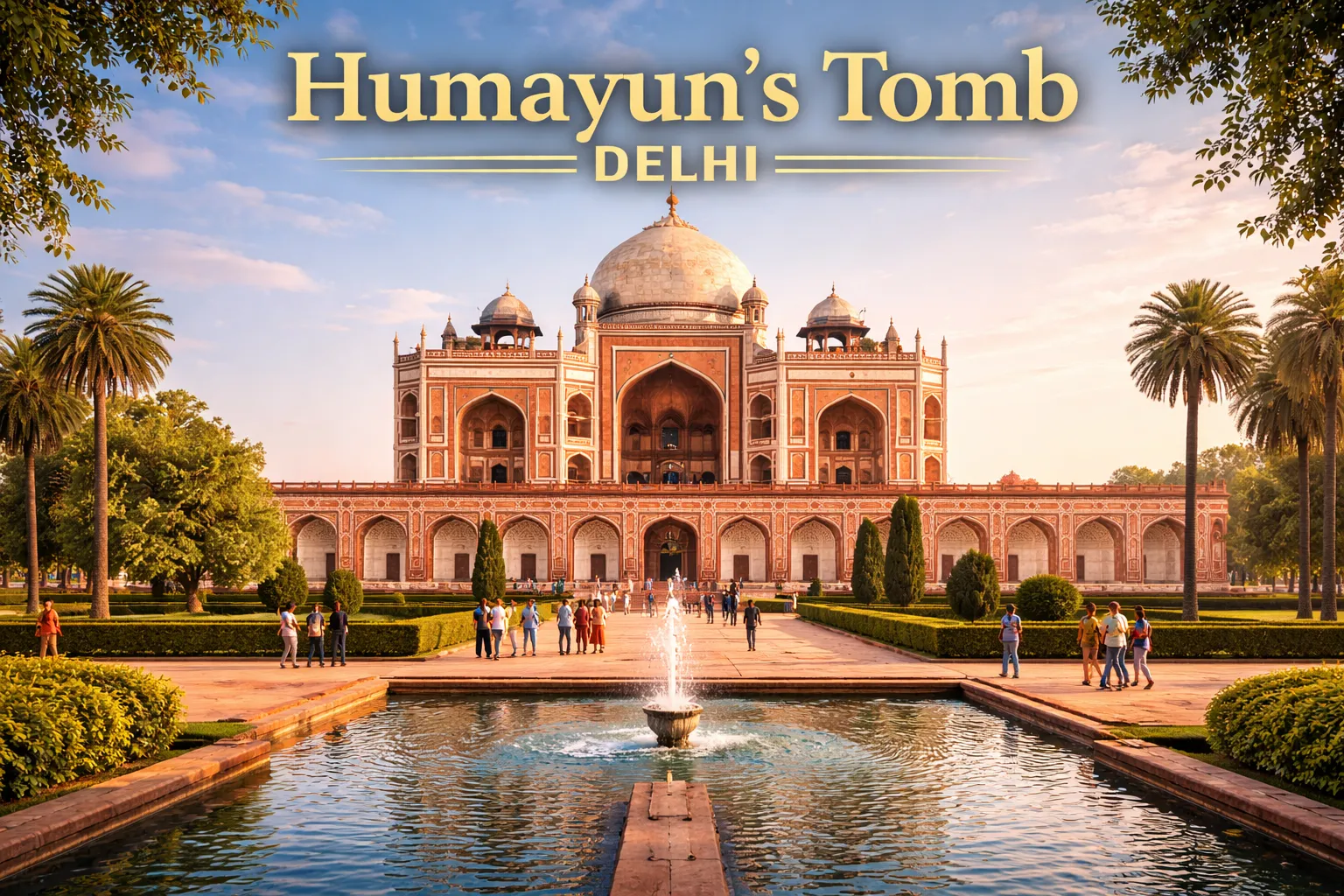
    Humayun’s Tomb, located in Nizamuddin East, New Delhi, is one of India’s most iconic historical monuments and a masterpiece of early Mughal architecture. Built in the 16th century, this grand tomb set the foundation for later architectural marvels like the Taj Mahal.

    Surrounded by lush Charbagh gardens, symmetrical pathways, and elegant Persian-style design, Humayun’s Tomb offers visitors a perfect blend of history, art, architecture, and tranquility.


    📌 Table of Contents

    1. Why Visit Humayun’s Tomb
    2. About Humayun’s Tomb
    3. History & Cultural Significance
    4. Architecture & Design Highlights
    5. The Charbagh Garden Layout
    6. Other Monuments Inside the Complex
    7. Best Time to Visit
    8. Humayun’s Tomb Timings
    9. Entry Tickets & Charges
    10. How to Reach Humayun’s Tomb
    11. Visitor Tips & Rules
    12. Suggested Visit Plan
    13. FAQs
    14. Explore More Delhi Travel Guides

    🌟 Why Visit Humayun’s Tomb

    • UNESCO World Heritage Site
    • ✔ First garden tomb in the Indian subcontinent
    • ✔ Precursor to the Taj Mahal
    • ✔ Stunning Mughal–Persian architecture
    • ✔ Peaceful gardens perfect for photography 📸

    It’s one of the most elegant and relaxing heritage sites in Delhi.


    🏛️ About Humayun’s Tomb

    Humayun’s Tomb was built for Emperor Humayun, the second Mughal emperor of India.

    Key Facts:

    • Location: Nizamuddin East, Delhi
    • Built by: Empress Bega Begum
    • Construction period: 1565–1572
    • Style: Mughal–Persian architecture

    The tomb complex covers a large area with multiple structures.


    📜 History & Cultural Significance

    • Humayun died in 1556
    • His widow, Bega Begum, commissioned the tomb
    • Designed by Persian architect Mirak Mirza Ghiyas

    It marked a turning point in Indian architecture by introducing:

    • Charbagh (four-part) garden concept
    • Elevated central mausoleum
    • Symmetry and red sandstone–white marble contrast

    🏗️ Architecture & Design Highlights

    Humayun’s Tomb is admired for its perfect balance and proportions.

    Architectural Features:

    • Red sandstone structure with white marble details
    • Double dome system
    • High central archways (iwans)
    • Octagonal design

    The architectural style directly inspired later Mughal monuments.


    🌿 The Charbagh Garden Layout

    The tomb is set within a Persian-style Charbagh garden.

    Garden Highlights:

    • Four symmetrical garden quadrants
    • Water channels and pathways
    • Raised platforms and lawns

    The garden symbolizes paradise as described in Islamic tradition.


    🏛️ Other Monuments Inside the Complex

    Besides Humayun’s main tomb, the complex includes:

    • Isa Khan’s Tomb
    • Bu Halima’s Tomb & Garden
    • Arab Serai
    • Afsarwala Tomb & Mosque

    These structures add depth to the historical experience.


    🗓️ Best Time to Visit Humayun’s Tomb

    ✔ Best Months

    • October to March – pleasant weather

    ✔ Best Time of Day

    • Early morning
    • Late afternoon for golden-hour photography 🌅

    ❌ Avoid

    • Midday summer heat
    • Extremely crowded weekends if possible

    ⏰ Humayun’s Tomb Timings

    • Open: Daily
    • Timings:
      • Sunrise to Sunset

    Exact opening and closing times may vary by season.


    🎟️ Entry Tickets & Charges (Approx.)

    • Indian Citizens: ₹40
    • Foreign Tourists: ₹600
    • Children below 15: Free

    Tickets can be purchased online or at the entrance.


    🚇 How to Reach Humayun’s Tomb

    🚆 By Metro

    • JLN Stadium Metro Station (Violet Line)
    • Auto or cab from the station

    🚕 By Cab / Auto

    • Easily accessible from central and South Delhi

    🚶 Nearby Attractions

    • Nizamuddin Dargah
    • Sunder Nursery
    • Lodhi Garden

    👮 Visitor Tips & Rules

    • Photography allowed (no drones)
    • Carry water bottles in summer
    • Wear comfortable walking shoes
    • Respect heritage structures
    • Avoid climbing or touching carvings

    Security is present throughout the complex.


    🗺️ Suggested Visit Plan (1.5–2 Hours)

    First 45 Minutes:

    • Main tomb exploration

    Next 30 Minutes:

    • Garden walk and photography

    Optional:

    • Explore nearby tombs inside the complex

    Perfect for a calm heritage walk.


    ❓ FAQs

    Is Humayun’s Tomb worth visiting?
    Absolutely—it’s one of Delhi’s finest monuments.

    Is it good for families and kids?
    Yes, it’s spacious and educational.

    Is photography allowed?
    Yes, for personal use.

    How much time is enough?
    1.5–2 hours is ideal.

    Is it wheelchair accessible?
    Partially accessible in garden areas.


    🌍 Explore More Delhi Travel Guides

    After visiting Humayun’s Tomb, explore Dargah Hazrat Nizamuddin Aulia, Sunder Nursery, and Lodhi Garden nearby.

    History lovers can continue to Red Fort, Jama Masjid, and Qutub Minar, while families may enjoy National Zoological Park and Nehru Planetarium.

  • 🛕 Kalka Ji Mandir Delhi Travel Guide: History, Timings, Aarti & Visitor Tips

    🛕 Kalka Ji Mandir Delhi Travel Guide: History, Timings, Aarti & Visitor Tips

    An Ancient Shakti Peeth Dedicated to Goddess Kali

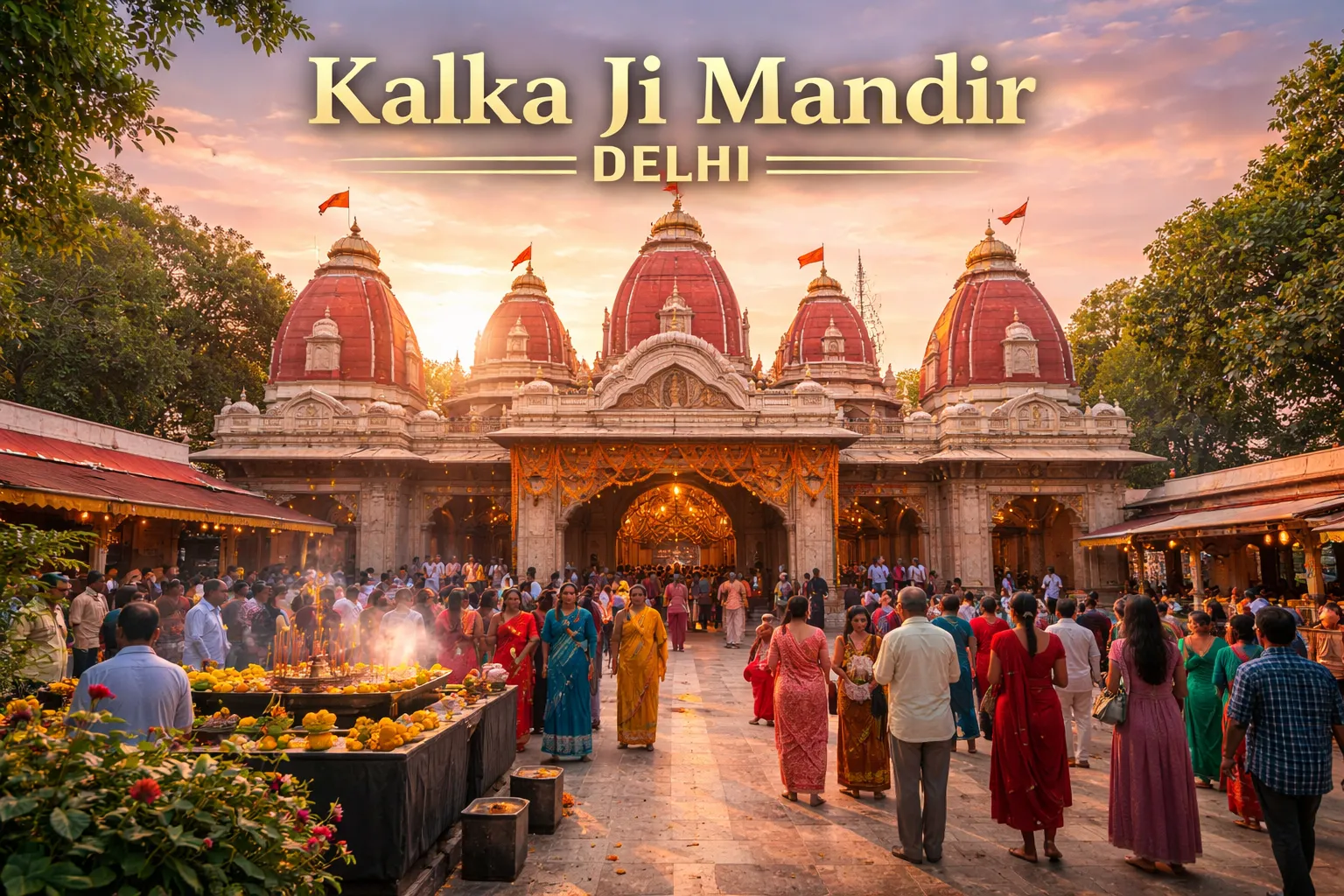
    Kalka Ji Mandir, located in South Delhi near Nehru Place and Lotus Temple, is one of the oldest and most revered Hindu temples in Delhi. Dedicated to Goddess Kalika (Kali), the temple holds immense spiritual importance and attracts thousands of devotees every day.

    Known for its deep-rooted history, powerful spiritual aura, and grand celebrations during Navratri, Kalka Ji Mandir is a must-visit destination for those seeking faith, blessings, and inner peace.


    📌 Table of Contents

    1. Why Visit Kalka Ji Mandir
    2. About Kalka Ji Mandir
    3. History & Spiritual Significance
    4. Temple Architecture & Layout
    5. Main Deity & Rituals
    6. Best Time to Visit
    7. Kalka Ji Mandir Timings
    8. How to Reach Kalka Ji Mandir
    9. Aarti, Puja & Offerings
    10. Visitor Rules, Dress Code & Tips
    11. Nearby Places to Explore
    12. FAQs
    13. Explore More Delhi Travel Guides

    🌟 Why Visit Kalka Ji Mandir

    • ✔ One of the most powerful Shakti temples in Delhi
    • ✔ Dedicated to Goddess Kali
    • ✔ Highly auspicious during Navratri
    • ✔ Located close to Lotus Temple
    • ✔ Free entry and easy access

    It is believed that sincere prayers here fulfill wishes and remove obstacles.


    🏛️ About Kalka Ji Mandir

    Kalka Ji Mandir is considered an important Shakti Peeth, associated with the worship of Goddess Kali.

    Key Facts:

    • Location: Kalkaji, South Delhi
    • Main Deity: Goddess Kalika (Kali)
    • Temple Type: Ancient Hindu temple
    • Entry Fee: Free

    The temple is visited by devotees from across India.


    📜 History & Spiritual Significance

    • Believed to be over 1,000 years old
    • Mentions found in ancient Hindu scriptures
    • Associated with Goddess Kali’s powerful energy

    Devotees believe the goddess here is self-manifested (Swayambhu), making the shrine extremely sacred.


    🏗️ Temple Architecture & Layout

    Kalka Ji Mandir has a simple yet spiritually powerful design.

    Architectural Features:

    • Red and yellow temple structure
    • Marble flooring in outer areas
    • Sanctum with sacred idol
    • Spacious courtyard for devotees

    Despite crowds, the temple atmosphere remains devotional.


    🔱 Main Deity & Rituals

    • Goddess Kalika (Kali) is worshipped here
    • Daily aarti and bhog rituals
    • Devotees offer flowers, coconut, and sweets

    Special prayers are held during Navratri and Amavasya.


    🗓️ Best Time to Visit Kalka Ji Mandir

    ✔ Best Months

    • October to March – pleasant weather

    🌸 Special Occasion

    • Navratri (March–April & September–October)

    ✔ Best Time of Day

    • Early morning
    • Evening aarti time

    ⏰ Kalka Ji Mandir Timings

    • Open: Daily
    • Timings:
      • Morning: 4:00 AM
      • Night: Till 11:30 PM

    Timings may vary on festivals and special days.


    🚇 How to Reach Kalka Ji Mandir

    🚆 By Metro (Best Option)

    • Kalkaji Mandir Metro Station (Violet & Magenta Line)
    • Walking distance from the station

    🚕 By Cab / Auto

    • Easily accessible from all parts of Delhi

    🚶 Nearby Landmark

    • Lotus Temple (right next to the mandir)

    🪔 Aarti, Puja & Offerings

    Common Offerings:

    • Flowers & garlands
    • Coconut
    • Sweets & prasad

    Aarti Timings:

    • Morning and evening aarti
    • Special aartis during festivals

    Priests are available for guided puja rituals.


    👗 Visitor Rules, Dress Code & Tips

    • Dress modestly
    • Remove footwear before entry
    • Beware of pickpockets during festivals
    • Avoid aggressive pandits outside—choose inside services only
    • Maintain patience during crowded darshan

    Photography may be restricted near the sanctum.


    🏛️ Nearby Places to Explore

    After visiting Kalka Ji Mandir, explore:

    • Lotus Temple 🌸
    • Nehru Place Market
    • Akshardham Temple (via metro)
    • Chhatarpur Mandir

    You can easily plan a half-day spiritual outing.


    ❓ FAQs

    Is Kalka Ji Mandir very crowded?
    Yes, especially during Navratri and weekends.

    Is entry free?
    Yes, entry is completely free.

    Is photography allowed?
    Limited photography allowed outside the sanctum.

    Is it safe for solo travelers?
    Yes, but caution is advised during peak crowds.

    How much time is enough?
    1–2 hours depending on crowd levels.


    🌍 Explore More Delhi Travel Guides

    After Kalka Ji Mandir, continue your spiritual journey with Lotus Temple, Akshardham Temple, and Gurdwara Bangla Sahib.

    History lovers can visit Qutub Minar, Lodhi Garden, and Hauz Khas, while families may enjoy National Zoological Park and Nehru Planetarium.

  • 🛍️ Chandni Chowk Travel Guide: History, Street Food, Markets & Visitor Tips

    🛍️ Chandni Chowk Travel Guide: History, Street Food, Markets & Visitor Tips

    Old Delhi’s Most Iconic Bazaar of Culture, Chaos & Flavours

    Chandni Chowk is the soul of Old Delhi—a place where history, food, faith, and commerce collide in the most vibrant way possible. Built during the Mughal era, this historic market is one of the oldest and busiest bazaars in India, offering everything from centuries-old eateries and spice markets to bridal wear, street snacks, and religious landmarks.

    A visit to Chandni Chowk is not just sightseeing—it’s an experience of real Delhi.


    📌 Table of Contents

    1. Why Visit Chandni Chowk
    2. About Chandni Chowk
    3. History & Cultural Significance
    4. Famous Markets in Chandni Chowk
    5. Chandni Chowk Street Food Guide
    6. Religious & Heritage Landmarks Nearby
    7. Best Time to Visit
    8. Chandni Chowk Timings
    9. How to Reach Chandni Chowk
    10. Shopping & Travel Tips
    11. Safety & Etiquette
    12. FAQs
    13. Explore More Delhi Travel Guides

    🌟 Why Visit Chandni Chowk

    • ✔ One of India’s oldest markets
    • ✔ Legendary street food destination 🍽️
    • ✔ Historic Mughal-era lanes
    • ✔ Wholesale & budget shopping hub
    • ✔ Close to Red Fort & Jama Masjid

    If you want to feel Delhi, Chandni Chowk is unmissable.


    🏛️ About Chandni Chowk

    Chandni Chowk was designed in the 17th century by Princess Jahanara Begum, daughter of Mughal Emperor Shah Jahan.

    Key Facts:

    • Location: Old Delhi
    • Built during: Mughal era
    • Meaning: “Moonlit Square”
    • Original feature: A canal reflecting moonlight

    Today, it’s a dense network of lanes buzzing with life.


    📜 History & Cultural Significance

    • Once the royal marketplace of Mughal Delhi
    • Home to traders, artisans, and caravan routes
    • Grew into a cultural melting pot of Hindus, Muslims, Jains, Sikhs

    Chandni Chowk represents Delhi’s shared heritage and living history.


    🏪 Famous Markets in Chandni Chowk

    👗 Kinari Bazaar

    • Wedding accessories
    • Laces, borders, decorations

    🧵 Katra Neel

    • Wholesale fabrics
    • Sarees, dress materials

    🧂 Khari Baoli

    • Asia’s largest spice market
    • Dry fruits, herbs, masalas 🌶️

    🥻 Nai Sarak

    • Books, stationery, fabrics

    Each lane has its own specialty.


    🍽️ Chandni Chowk Street Food Guide

    Chandni Chowk is a paradise for food lovers.

    Must-Try Foods:

    • Paranthe Wali Gali – stuffed parathas 🫓
    • Jalebi Wala – crispy jalebis
    • Daulat Ki Chaat (seasonal)
    • Chole Bhature
    • Kebabs & Nihari (near Jama Masjid)

    Eat where locals eat—but choose clean stalls.


    🕌 Religious & Heritage Landmarks Nearby

    Within walking distance:

    • Jama Masjid 🕌
    • Red Fort 🏰
    • Gurdwara Sis Ganj Sahib
    • Digambar Jain Lal Mandir (with bird hospital)

    Chandni Chowk uniquely blends multiple faiths.


    🗓️ Best Time to Visit Chandni Chowk

    ✔ Best Months

    • October to March – pleasant weather

    ✔ Best Time of Day

    • Morning (10:00 AM – 1:00 PM) for shopping
    • Evening for food & atmosphere

    ❌ Avoid

    • Peak summer afternoons
    • Sundays if you dislike crowds

    ⏰ Chandni Chowk Timings

    • Shops: Mostly 10:00 AM – 7:00 PM
    • Closed: Many shops shut on Sunday
    • Food lanes open till late evening

    Timings vary by market lane.


    🚇 How to Reach Chandni Chowk

    🚆 By Metro (Best Option)

    • Chandni Chowk Metro Station (Yellow Line)

    🚕 By Auto / Rickshaw

    • Cycle rickshaws are common inside lanes

    🚶 On Foot

    • Best way to explore inner lanes

    🛍️ Shopping & Travel Tips

    • Bargaining is expected
    • Carry cash + UPI
    • Wear comfortable shoes 👟
    • Travel light—crowded lanes
    • Use backpack instead of handbag

    Explore slowly—don’t rush.


    👮 Safety & Etiquette

    • Watch your belongings
    • Avoid peak crowd panic
    • Respect religious places
    • Ask before photography
    • Follow local instructions

    The area is busy but generally safe during daytime.


    ❓ FAQs

    Is Chandni Chowk safe for tourists?
    Yes, especially during daytime.

    Is it good for shopping?
    Excellent for budget & wholesale shopping.

    Is Chandni Chowk open on Sunday?
    Many shops are closed; food stalls remain open.

    How much time is enough?
    3–4 hours is ideal.

    Is it suitable for families?
    Yes, but expect crowds.


    🌍 Explore More Delhi Travel Guides

    After exploring Chandni Chowk, visit Jama Masjid, Red Fort, and Raj Ghat to complete your Old Delhi heritage circuit.

    For spiritual travel, explore Gurdwara Bangla Sahib, Lotus Temple, and Dargah Hazrat Nizamuddin Aulia. Nature lovers can relax at Lodhi Garden or Sunder Nursery.

  • 🕌 Jama Masjid Travel Guide: History, Timings, Entry Rules & Visitor Tips

    🕌 Jama Masjid Travel Guide: History, Timings, Entry Rules & Visitor Tips

    India’s Largest Mosque & a Timeless Symbol of Mughal Grandeur

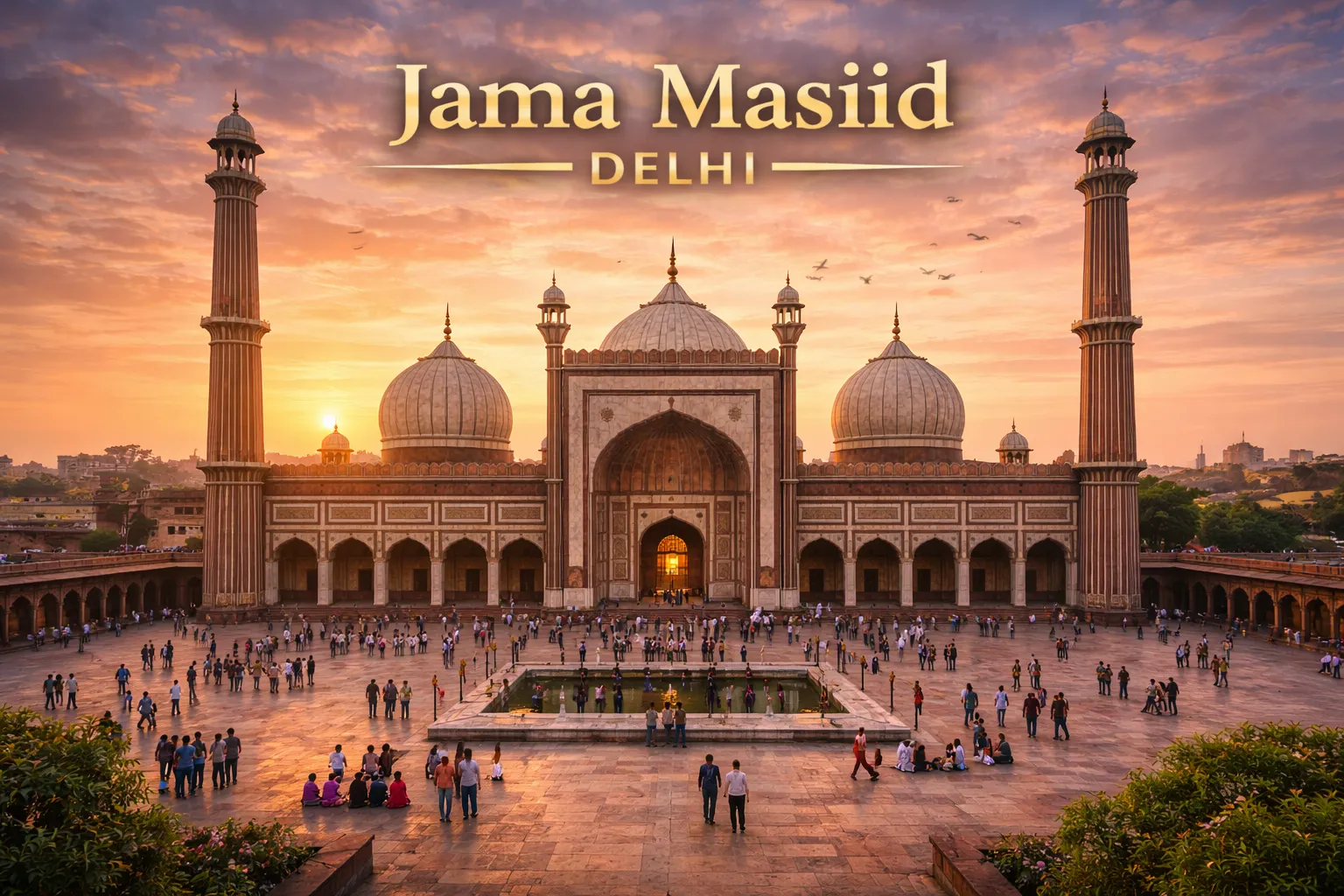
    Jama Masjid, located in the heart of Old Delhi, is one of the largest and most magnificent mosques in India. Built by Mughal Emperor Shah Jahan, the mosque stands as a powerful reminder of India’s rich Islamic heritage, architectural brilliance, and spiritual traditions.

    With its massive courtyards, elegant minarets, red sandstone walls, and white marble domes, Jama Masjid attracts devotees, historians, photographers, and travelers from around the world.


    📌 Table of Contents

    1. Why Visit Jama Masjid
    2. About Jama Masjid
    3. History & Religious Significance
    4. Architecture & Design Highlights
    5. Courtyard, Minarets & Prayer Hall
    6. Best Time to Visit
    7. Jama Masjid Timings
    8. Entry Fee & Camera Charges
    9. How to Reach Jama Masjid
    10. Dress Code, Rules & Etiquette
    11. Things to Do Around Jama Masjid
    12. FAQs
    13. Explore More Delhi Travel Guides

    🌟 Why Visit Jama Masjid

    • Largest mosque in India
    • ✔ Built by Shah Jahan, the Mughal emperor
    • ✔ Stunning Mughal architecture
    • ✔ Deep spiritual atmosphere
    • ✔ Located in vibrant Old Delhi

    It’s a must-visit landmark to understand Delhi’s history, faith, and living culture.


    🏛️ About Jama Masjid

    Jama Masjid is officially known as Masjid-i-Jahan-Numa, meaning “Mosque that reflects the world.”

    Key Facts:

    • Location: Old Delhi (near Chandni Chowk)
    • Built by: Emperor Shah Jahan
    • Construction completed: 1656
    • Capacity: Over 25,000 worshippers
    • Entry: Open to all religions

    📜 History & Religious Significance

    • Construction began in 1650
    • Built using red sandstone and white marble
    • Served as the principal mosque of Mughal Delhi

    For centuries, Jama Masjid has been a center of Islamic worship, learning, and community gatherings, especially during Friday prayers, Eid-ul-Fitr, and Eid-ul-Adha.


    🏗️ Architecture & Design Highlights

    Jama Masjid is a masterpiece of Mughal architecture.

    Architectural Features:

    • Three large white marble domes
    • Two towering minarets (40 meters high)
    • Vast open courtyard
    • Ornate arches and calligraphy

    The mosque’s symmetry and scale leave a lasting impression.


    🕌 Courtyard, Minarets & Prayer Hall

    🧱 The Courtyard

    • One of the largest mosque courtyards in the world
    • Can accommodate thousands of devotees
    • Peaceful despite surrounding chaos

    🗼 Minarets

    • Visitors can climb one minaret
    • Offers panoramic views of Old Delhi (narrow stairs)

    🛐 Prayer Hall

    • Beautiful mihrab and marble flooring
    • Reserved for prayers—maintain silence

    🗓️ Best Time to Visit Jama Masjid

    ✔ Best Months

    • October to March – comfortable weather

    ✔ Best Time of Day

    • Early morning
    • Late afternoon (before sunset)

    ❌ Avoid

    • Prayer times if you are not attending prayers
    • Extremely crowded festival hours unless you want the experience

    ⏰ Jama Masjid Timings

    • Open: Daily
    • Timing:
      • Morning: Around 7:00 AM
      • Evening: Till 6:30 PM

    Entry may be restricted briefly during prayer times.


    🎟️ Entry Fee & Camera Charges

    • Entry: Free
    • Camera Fee: Approx. ₹300 (subject to change)
    • Minaret Access: Small fee may apply

    No compulsory charges—donations are voluntary.


    🚇 How to Reach Jama Masjid

    🚆 By Metro (Best Option)

    • Jama Masjid Metro Station (Violet Line)
    • Chandni Chowk Metro Station (Yellow Line)

    🚕 By Auto / Rickshaw

    • Narrow lanes—cycle rickshaws are common

    🚶 Nearby Landmarks

    • Red Fort
    • Chandni Chowk
    • Meena Bazaar

    👗 Dress Code, Rules & Etiquette

    • Modest clothing required
    • Shoulders and legs must be covered
    • Head covering recommended
    • Shoes must be removed
    • Photography restricted in prayer areas

    Robes are available on rent at the entrance if needed.


    🏪 Things to Do Around Jama Masjid

    • Explore Chandni Chowk street food 🍽️
    • Visit Meena Bazaar
    • Walk to Red Fort
    • Try Old Delhi delicacies like kebabs and biryani

    It’s perfect for combining heritage + food exploration.


    ❓ FAQs

    Is Jama Masjid open to non-Muslims?
    Yes, visitors of all religions are welcome.

    Is photography allowed?
    Yes, with camera fee (rules may vary).

    Can women visit Jama Masjid?
    Yes, with proper dress code.

    How much time is enough?
    1–1.5 hours is sufficient.

    Is Jama Masjid safe for tourists?
    Yes, but be mindful of crowds and belongings.


    🌍 Explore More Delhi Travel Guides

    After Jama Masjid, explore Red Fort, Raj Ghat, and India Gate to continue your heritage journey.

    For spiritual exploration, visit Gurdwara Bangla Sahib, Lotus Temple, and Dargah Hazrat Nizamuddin Aulia. Families may enjoy National Zoological Park and Nehru Planetarium.

  • 🌿 Hauz Khas Travel Guide: Fort, Lake, Village & Visitor Tips

    🌿 Hauz Khas Travel Guide: Fort, Lake, Village & Visitor Tips

    Where Delhi’s Medieval History Meets Modern Café Culture

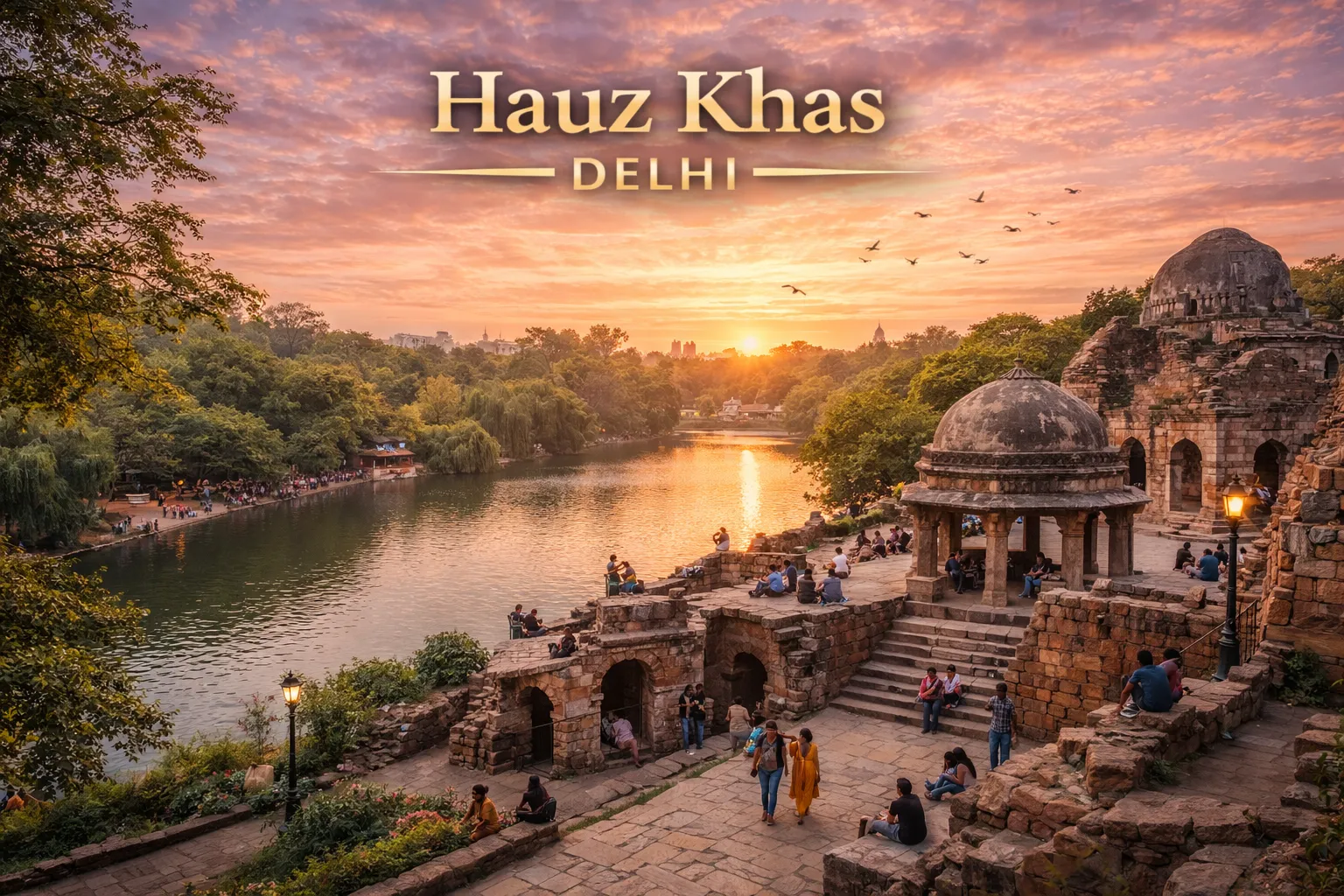
    Hauz Khas is one of Delhi’s most fascinating areas, offering a rare blend of medieval history, scenic lake views, green parks, art spaces, and vibrant cafés. Located in South Delhi, Hauz Khas is loved by history enthusiasts during the day and transforms into a lively social hub by evening.

    From the ruins of Hauz Khas Fort and Firoz Shah Tughlaq’s madrasa to rooftop cafés overlooking the lake, Hauz Khas perfectly represents Delhi’s old soul and modern spirit.


    📌 Table of Contents

    1. Why Visit Hauz Khas
    2. About Hauz Khas
    3. History & Heritage Significance
    4. Hauz Khas Fort & Monuments
    5. Hauz Khas Lake & Deer Park
    6. Hauz Khas Village (HKV)
    7. Best Time to Visit
    8. Hauz Khas Timings
    9. How to Reach Hauz Khas
    10. Things to Do in Hauz Khas
    11. Visitor Tips & Safety
    12. FAQs
    13. Explore More Delhi Travel Guides

    🌟 Why Visit Hauz Khas

    • ✔ Perfect mix of history, nature & nightlife
    • ✔ Stunning lake views and medieval ruins
    • ✔ Popular cafés, art galleries & boutiques
    • ✔ Ideal for photography & evening walks
    • ✔ Free entry to fort and park areas

    Hauz Khas is ideal for travelers who enjoy slow exploration with visual charm.


    🏛️ About Hauz Khas

    The name Hauz Khas means “Royal Tank.”

    Key Facts:

    • Location: South Delhi
    • Built by: Alauddin Khilji (13th century)
    • Later developed by: Firoz Shah Tughlaq
    • Type: Historic reservoir + fort complex + urban village

    Hauz Khas once supplied water to the city of Siri, the medieval capital of Delhi.


    📜 History & Heritage Significance

    • Constructed in the 13th century by Alauddin Khilji
    • Expanded in the 14th century by Firoz Shah Tughlaq
    • Included a madrasa (Islamic school), mosque, pavilions, and tomb

    Today, the ruins stand as a reminder of Delhi’s Sultanate-era brilliance.


    🏰 Hauz Khas Fort & Monuments

    🕌 Madrasa of Firoz Shah Tughlaq

    • Overlooks Hauz Khas Lake
    • One of the oldest educational institutions in India

    🪦 Tomb of Firoz Shah Tughlaq

    • Simple yet historically important
    • Located inside the complex

    🏛️ Pavilions & Arches

    • Scenic ruins perfect for photography
    • Blend of Islamic architecture and nature

    Entry to the fort complex is free.


    💧 Hauz Khas Lake & Deer Park

    🌊 Hauz Khas Lake

    • Large medieval reservoir
    • Offers beautiful sunset views
    • Surrounded by walking paths and greenery

    🦌 Deer Park (Nearby)

    • Home to deer, peacocks, rabbits 🦚
    • Popular for morning walks and jogging
    • Family-friendly and peaceful

    Together, they make Hauz Khas a great nature escape.


    ☕ Hauz Khas Village (HKV)

    Hauz Khas Village is famous for its:

    • Rooftop cafés & restaurants
    • Art galleries & boutiques
    • Live music venues

    Popular Activities:

    • Café hopping
    • Evening walks
    • Art exhibitions
    • Social gatherings

    HKV is especially popular among young travelers and couples.


    🗓️ Best Time to Visit Hauz Khas

    ✔ Best Months

    • October to March – pleasant weather

    ✔ Best Time of Day

    • Morning: fort & lake exploration
    • Evening: cafés and village vibe

    ❌ Avoid

    • Late night visits if unfamiliar with the area
    • Hot summer afternoons

    ⏰ Hauz Khas Timings

    • Fort & Park Areas:
      • Daily: 6:00 AM – 7:00 PM
    • Cafés & Village:
      • Afternoon till late evening (varies by place)

    🚇 How to Reach Hauz Khas

    🚆 By Metro

    • Hauz Khas Metro Station (Yellow & Magenta Line)
    • Auto or 10–15 minute walk

    🚕 By Cab / Auto

    • Easily accessible from all parts of Delhi

    🚶 Nearby Areas

    • Green Park
    • IIT Delhi
    • Safdarjung Enclave

    🎯 Things to Do in Hauz Khas

    • Explore medieval ruins 🏛️
    • Walk around the lake 🌅
    • Photography & videography 📸
    • Café hopping ☕
    • Visit Deer Park 🦌

    It’s perfect for a half-day relaxed outing.


    👮 Visitor Tips & Safety

    • Wear comfortable footwear
    • Visit with daylight for fort exploration
    • Keep valuables safe in crowded cafés
    • Respect heritage structures
    • Follow local guidelines

    The area is generally safe, especially during daytime and early evenings.


    ❓ FAQs

    Is Hauz Khas Fort free to visit?
    Yes, entry is free.

    Is Hauz Khas good for couples?
    Yes, but public decorum rules apply.

    Is Hauz Khas safe at night?
    Busy café areas are safe; avoid isolated spots late at night.

    How much time is enough?
    3–4 hours is ideal.

    Is it suitable for families?
    Yes, especially fort, lake, and Deer Park.


    🌍 Explore More Delhi Travel Guides

    After visiting Hauz Khas, you can explore Lodhi Garden, Qutub Minar, and Mehrauli Archaeological Park, all located nearby.

    For spiritual experiences, visit Chhatarpur Mandir, Lotus Temple, and Gurdwara Bangla Sahib. Families may enjoy National Zoological Park and Nehru Planetarium.